
El Nino weather event expected for Tasmania
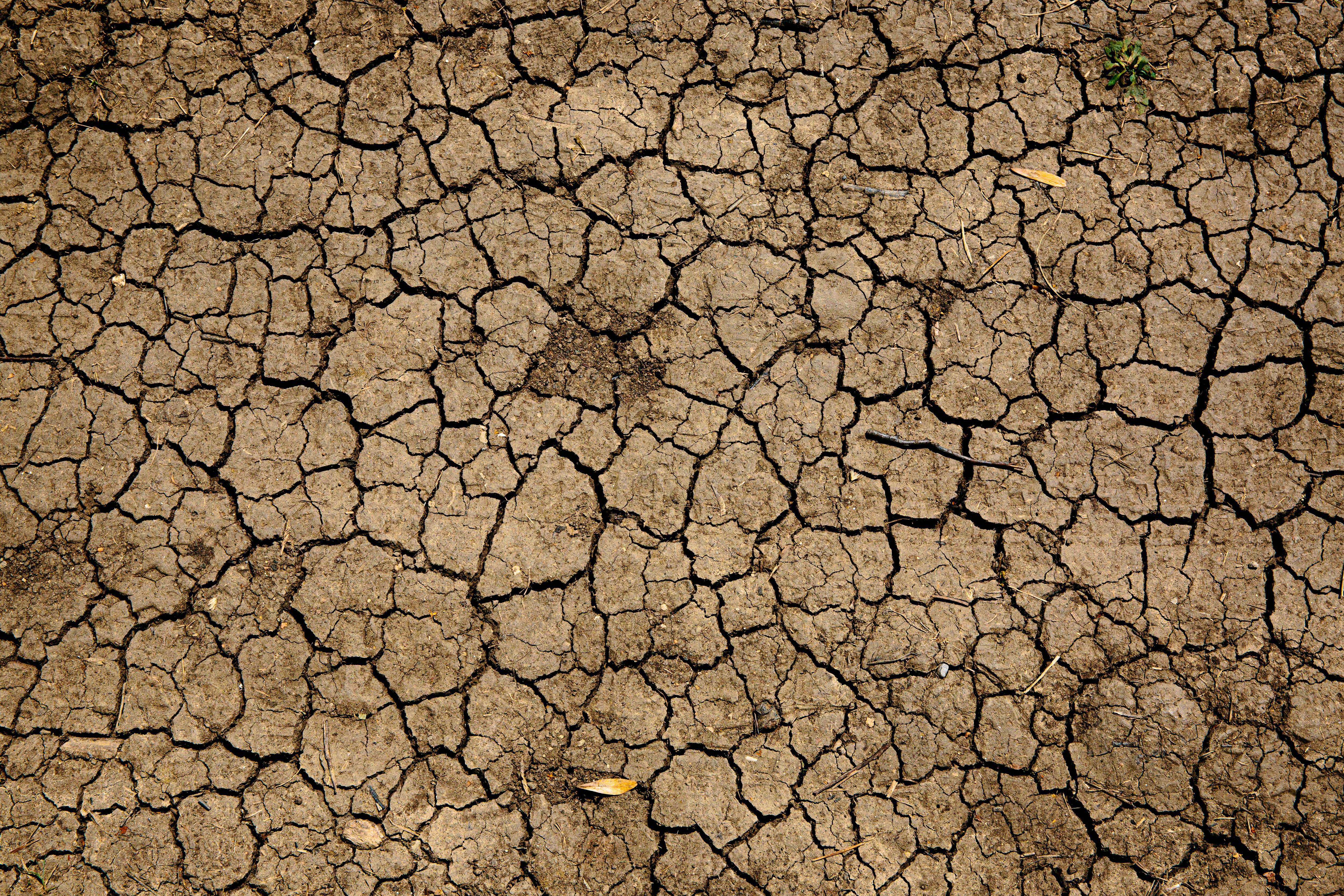
Tasmania's recent rain may have filled dams and freshened paddocks, but climate experts say farmers should not mistake a wet June for what could be a different picture later in the year.
The Bureau of Meteorology this week officially declared an El Niño event is underway in the tropical Pacific Ocean, a development expected to influence Australia's weather patterns through the remainder of 2026.
The announcement comes as many parts of Tasmania have received welcome winter rainfall. However, the Bureau stresses that El Niño is a seasonal climate driver, not a short-term weather forecast. A wet week, or even a wet month, does not change the broader climate signals developing across the Pacific.
El Niño occurs when sea surface temperatures in the central and eastern Pacific become warmer than average, altering atmospheric circulation and weather patterns across the region. The Bureau's declaration follows a combination of ocean and atmospheric indicators reaching El Niño thresholds, including warmer ocean temperatures, weakened trade winds and a strongly negative Southern Oscillation Index.
Climate models indicate the event is likely to strengthen in coming months and persist through much of the year.
For Tasmania, the impacts are generally less severe than those experienced in mainland cropping regions, but they can still affect agricultural production.
Drier spring conditions can reduce pasture growth, increase irrigation demand and place pressure on farm water supplies. Livestock producers may need to keep a close watch on feed reserves and seasonal conditions as spring approaches.
El Niño can also increase frost risk. While average temperatures are often warmer, clearer skies can lead to colder overnight conditions, creating challenges for horticultural producers and slowing pasture growth.
Importantly, El Niño does not guarantee drought. Other climate influences, including Indian Ocean conditions and regional sea temperatures, also play a role in shaping seasonal weather outcomes.
Tasmania's location means local conditions can differ significantly from mainland Australia, with western parts of the state often continuing to receive substantial rainfall regardless of broader climate trends.
For now, farmers will welcome the moisture delivered by recent rain. But with El Niño now officially established, many will also be planning for the possibility of a warmer and potentially drier spring and summer.
The message from climate experts is not alarm, but preparedness. While paddocks are green today, the months ahead may present a different set of challenges for Tasmania's agricultural sector.


Add new comment