
Farmer diagnosed with Q fever
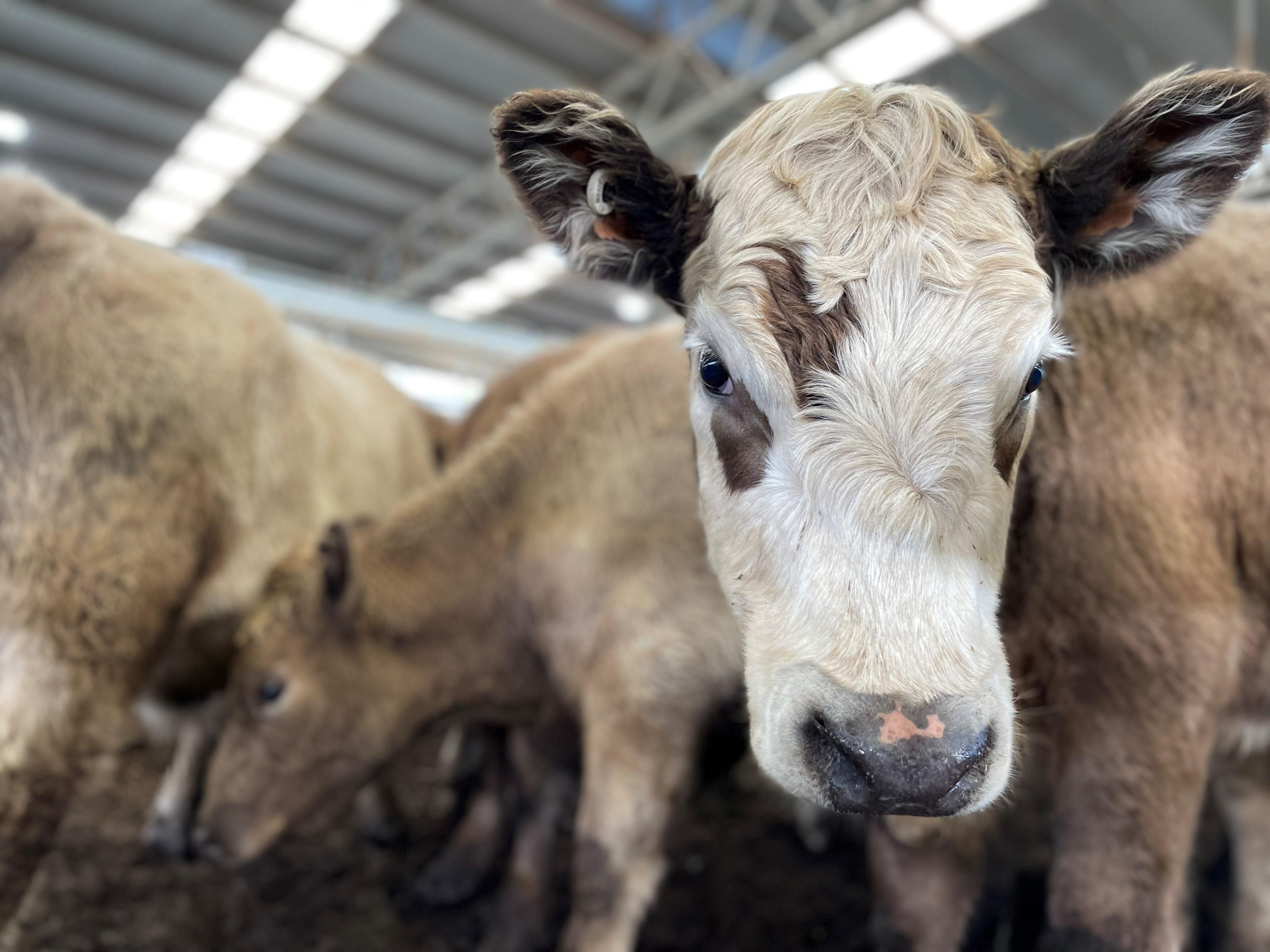
A cattle producer in Tasmania has been diagnosed with Q fever after calving heifers bought from New South Wales.
The disease has not been recorded in Tasmania for decades although there has been a recent spike nationally with average annual numbers of 400-600 jumping to 881 cases in 2024 and 912 in 2025, mainly in Queensland and NSW.
Q fever is a highly contagious bacterial infection caused by the bacterium Coxiella burnetii which can spread from animals to humans.
The Q fever bacteria gets into milk, urine, faeces and birth products of infected animals and can contaminate surrounding dust and soil.
People get infected with Q fever by breathing in droplets or dust contaminated with the bacteria.
Symptoms are flu-like, with body aches, sweating, and pain behind the eyes. If not treated it can cause chronic fatigue and complications such as heart problems.
Hobart vet Dr Bruce Jackson said that a decision is yet to be made on how to handle or treat the herd of beef cattle where the disease is believed to have originated.
He said his last recollection of Q fever, which is a notifiable disease, was in the early 2000s when large numbers of cattle were imported into Tasmania during a drought and one of the livestock agents became infected.
“In this recent case the farmer was quite ill, with drenching sweats and sore eyes, leading to one eye not working properly - it resulted in him going to the hospital emergency department,” Dr Jackson said.
“Full points to the doctor who thought to test for Q fever - perhaps he had worked interstate in rural areas where it’s more common - but if anyone in the livestock industry has similar symptoms it would be worthwhile mentioning Q fever to their doctor.
“Anyone who works with cattle, sheep or goats, especially in abattoirs, saleyards, in the livestock transport industry, shearers and wool classers - or anyone dealing with birthing livestock - should get vaccinated.”
Farmers can also consider testing a sample of any imported sheep, cattle or goats for Q fever while they are in “hotel quarantine” on their property soon after arrival.
Most people who get infected inhale the bacteria with dust, although some hunters have also picked it up from wildlife such as kangaroos.
Q fever can also be passed from one person to another through dust or animal fluids on skin or clothing.
Infected dairy animals will continue to excrete the bacteria in their milk for up to a year.
In some people, Q fever causes an infection of the lungs (pneumonia) or the liver (hepatitis). Most people make a full recovery.
Prior to vaccination, Q fever screening is required. This involves a blood and skin test to ensure people have not had Q fever infection in the past, as past infection may cause a reaction to the vaccine.
Not all GPs provide the vaccination service but more information including a list of GPs who provide vaccines is available at: https://www.health.tas.gov.au/publications/q-fever-fact-sheet




Add new comment