
Researchers working to restore kelp farming and processing
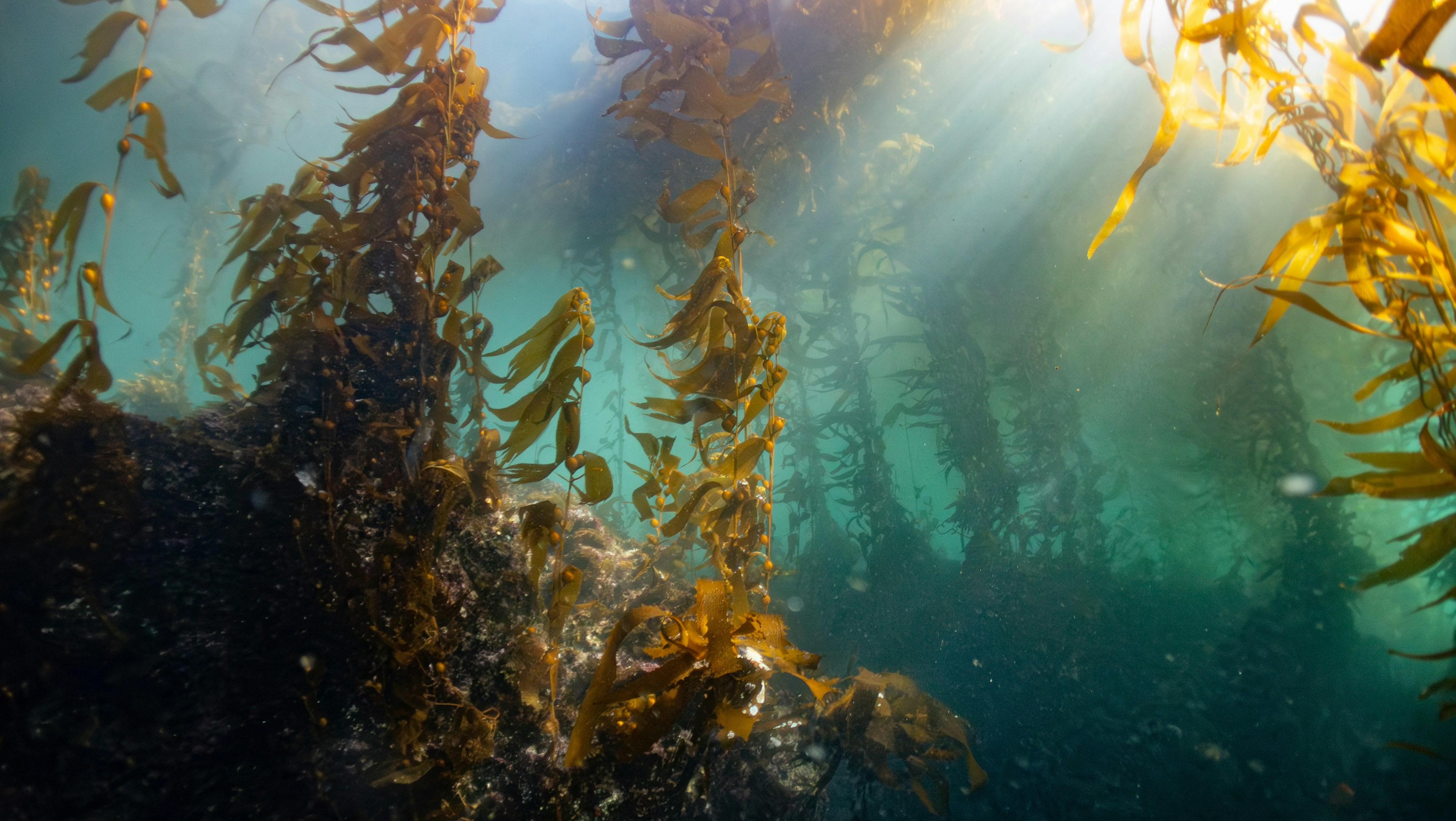
KING Island’s iconic bull kelp has experienced a dramatic decline but an international research effort could help unlock a new future through kelp farming, restoration and processing.
Researchers from Australia, New Zealand and Chile are joining forces to understand bull kelp and investigate how it can be cultivated commercially.
King Island researcher Deborah Delaney said production peaked around 1988 or 1989 at about 4000 tonnes of processed dry-weight kelp. Today it is below 1,000 tonnes. “It’s not a pretty story,” she said.
Satellite records since 1981 show rising sea surface temperatures around King Island, with summer marine heatwaves of particular concern.
Her research is also examining Southern Ocean swells that dislodge bull kelp and deliver kelp to beaches. Ms Delaney said there appeared to have been a general decline in high-energy swells reaching the island.
Professor Lindsay White, from Auckland University of Technology, believes cultivation has enormous potential.
He said seaweed was one of the most sustainable products that can be farmed because it requires no fertilisers, pesticides or herbicides.
He is involved with Australia’s Blue Economy Cooperative Research Centre, which has invested around $9 million in offshore seaweed farming research. Bull kelp became a focus because of demand from companies including Seasol, which uses it in fertiliser products.
Prof White said collecting stormcast kelp from beaches was not responsible for the decline.
He said the decline was much more likely associated with environmental conditions.
The researchers believe cultivation could eventually provide another opportunity for King Island.
A Blue Economy aquaculture site about 12 kilometres offshore from Burnie has shown infrastructure can survive Bass Strait conditions.
Prof White said bull kelp found in Australia, New Zealand and Chile had never previously been cultivated. Scientists have now developed hatchery techniques, including taking broodstock from the wild and growing young kelp under laboratory conditions.
“The next trials are about growing them successfully at sea,” he said.
Around 33 million tonnes of seaweed are farmed globally each year for uses including food, animal feed and nutraceuticals. King Island bull kelp is already exported to Norway for specialist extraction of alginate.


Add new comment