
Fuel price set to decrease while fresh produce price tipped to go up
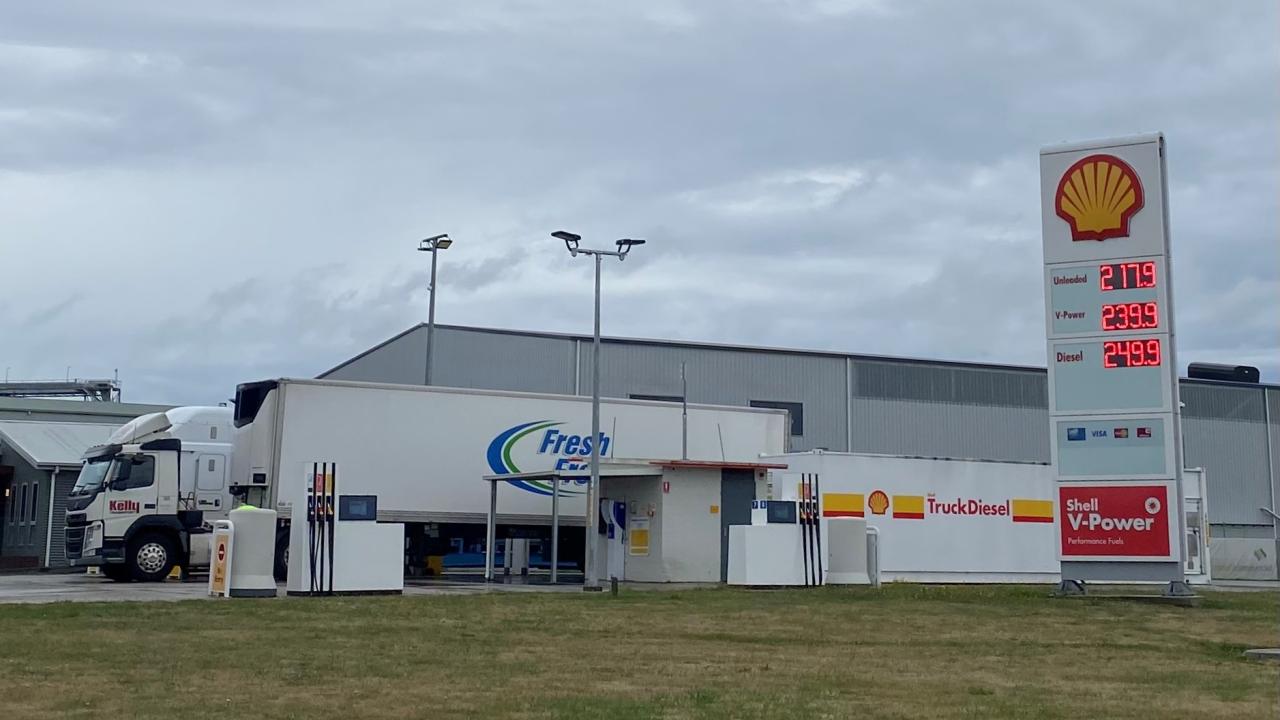
Australian Premiers and Chief Ministers have committed to further reducing fuel prices, following a meeting today, which should take another 6 cents per litre off at the bowser.
However the cost of fresh produce at major supermarkets is expected to rise on the back of a request from the nation’s growers.
Premier Jeremy Rockliff said that it was agreed that any extra GST paid because of higher fuel costs would be returned and used to reduce fuel prices.
"We have been clear - we want to deliver immediate and real relief to Tasmanians as quickly as we can," Mr Rockliff said.
"This further cut to the fuel prices would potentially lower fuel prices by another 5.7c per litre.
"This would be on top of the 26.3c reduction that is currently in effect.
"Tasmanian families, businesses, our farmers and truckies need support, and this further cut will help.
Meanwhile the NFF Horticulture Council has today written an open letter to Australia’s major supermarket chains urging them to respond promptly and constructively to price increase requests from fresh produce suppliers, as fuel and freight costs continue to escalate.
Fuel prices, fuel levies and transport surcharges are rising rapidly and, in some cases, changing daily. For a sector that relies heavily on refrigerated, long distance freight, these increases are placing immediate pressure on growers and suppliers across Australia.
The Council said timely acceptance of cost reflective price adjustments was essential not only to maintain current supply, but to send the confidence signals required for growers to continue investing in future production.
“Supermarkets are critical partners in the fresh produce supply chain. How they respond to these cost pressures now will directly influence whether growers have the confidence to keep planting, investing and producing for the future,” said Council Chair Jolyon Burnett.
The Council noted that ongoing uncertainty around cost recovery is already influencing decision making at farm level, with some growers delaying or scaling back production in response to rising input costs and weak price signals.
Mr Burnett said these pressures come at a time when supermarkets have an important role in helping stabilise the supply chain and preventing future shortages and food price spikes by supporting continued domestic production.
Mr Burnett also highlighted the importance of supermarkets conducting all trading practices, including negotiations over new grocery supply agreements, in good faith.
This includes recent concerns raised publicly and through government processes regarding supplier pressure, pricing references below the cost of supply, and the reliability and transparency of volume forecasts provided to growers.
“Good faith dealing means accurate forecasts, fair negotiations and recognising the real costs being borne by suppliers,” Mr Burnett said.
“Where growers have invested on the basis of supermarket forecasts, those volumes should be honoured before alternative sourcing is pursued.”
The Council emphasised the very same fuel challenges were being experienced in the nursery industry and the same request applied to Bunnings and their handling of price increase requests.
Greenlife Industry Australia CEO Sean Cole said growers of ornamental plants were also experiencing rapidly escalating costs of production and transport that were cutting into their own thin margins.
“Greenlife growers of any scale need to deal with Bunnings as the dominant retailer of its products to the public. The extent to which Bunnings supports its suppliers through the current crisis will for many growers determine whether they’re still in business once fuel prices and supply normalise,” Mr Cole said.




Add new comment