
Lamb market seeing record prices but supply a worry
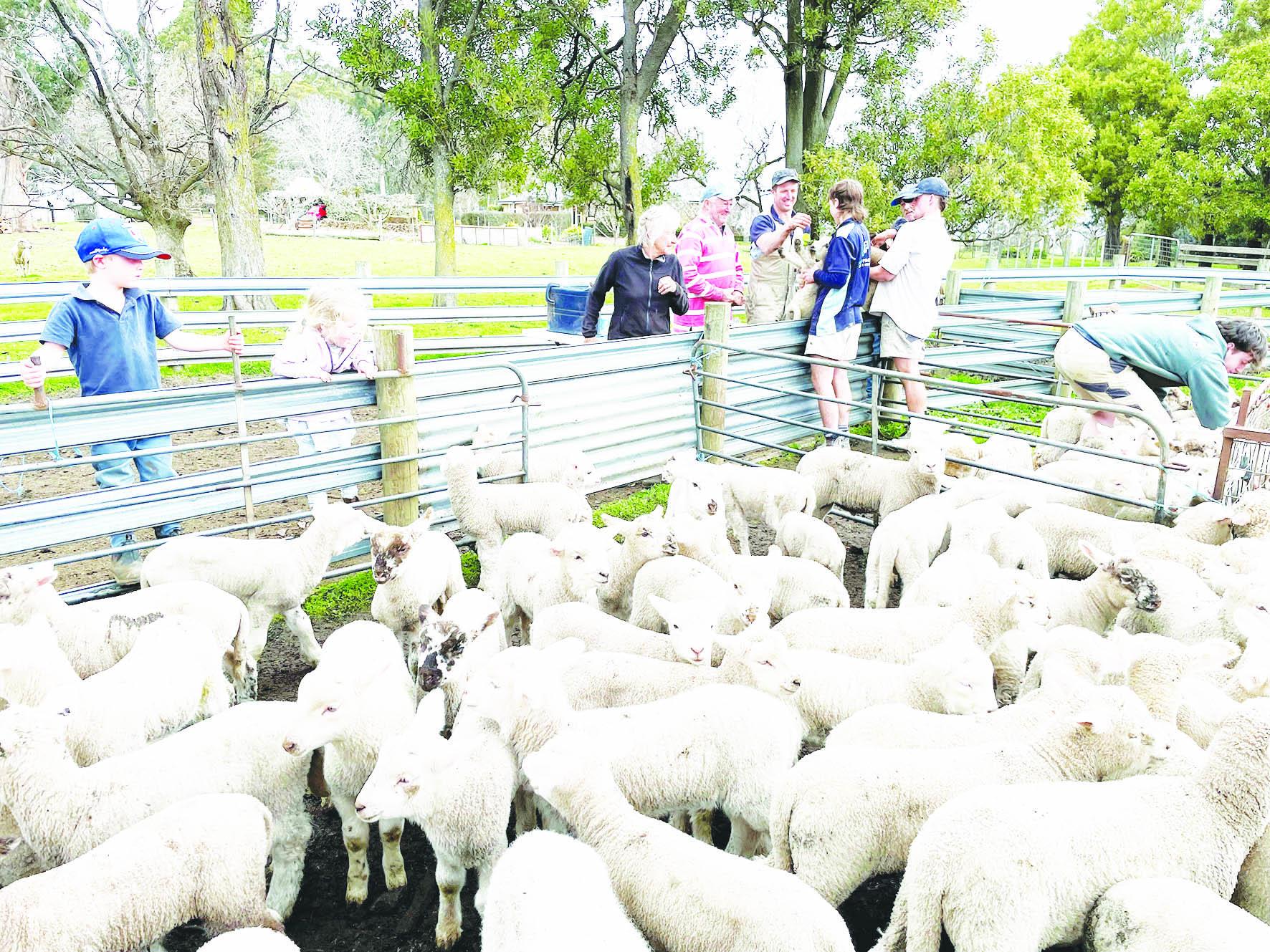
Australia’s sheep and lamb market has entered an unusual phase in which record or near-record prices are being underpinned by a pronounced shortage of stock, particularly adult sheep, rather than by demand alone.
Most national sheep and lamb indicators reached record highs during the past month, with the Trade Lamb Indicator peaking at 1244 cents a kilogram carcase weight, the Light Lamb Indicator at 1184c/kg, the Merino Lamb Indicator at 1152c/kg and the Mutton Indicator at 916c/kg.
The Restocker Lamb Indicator reached 1235c/kg in late June, while the Online Lamb Indicator rose to $253 a head in the week ending August 7.
However, the market appears to have reached a point where exceptionally high livestock prices are meeting resistance further along the supply chain. Indicators have eased during the past two to three weeks, with falls over the month ranging from 2 per cent for heavy lambs to 10 per cent for light lambs.
Meat & Livestock Australia market information analyst Alex Fry said the central force behind the market was a significant tightening in national supply.
National lamb slaughter fell to 1.52 million head in June, the lowest June total since 2020 and 11 per cent below June last year. For the first half of 2026, 10.36 million lambs were processed, down 14 per cent year-on-year, although only 1 per cent below the five-year average.
The contraction in adult sheep supply has been much more severe. June sheep slaughter fell 58 per cent, from 633,679 head in June 2025 to 267,738 this year, also the lowest June figure since 2020.
For the six months to June, sheep slaughter was down 41 per cent after three years of exceptionally high processing rates. MLA considers that decline a stronger market signal than the reduction in lamb slaughter.
The figures suggest the national flock has not only been reduced by previous heavy turn-off, but that producers are now retaining more breeding ewes. Improved pasture conditions in the first half of 2026 and results from the latest Sheep Producer Intentions Survey also point towards the early stages of a flock rebuild.
That rebuilding phase is tightening the supply of mutton and cull ewes available to processors and driving strong competition for the limited stock coming forward.
TasFarmers Red Meat and Wool Committee chair George Shea said the shortage had helped propel mutton prices to extraordinary levels, but processors were becoming increasingly cautious about pushing livestock prices higher.
“Mutton prices have been extraordinary, but it seems to have reached a level where processors are finding quite a bit of resistance in price, so they are having trouble moving product and they are not as keen to keep pushing the market,” Mr Shea said.
He said some processors had reduced shifts and slaughter numbers as they sought to balance limited supply against the risk of forcing prices beyond what customers would pay for the finished product.
Mr Shea expected lamb prices to soften from their peak rather than continue rising indefinitely.
“The market has got very strong, but it can only go so far before you meet buyer resistance in the processed product,” he said.
The strength of the market has also flowed into breeding and restocker categories. Store sheep and ewes in lamb have sold exceptionally well as producers seek to rebuild numbers, although Mr Shea said confidence was being tempered by nervousness about the longer-range weather outlook and the possibility of El Niño conditions.
Global demand for red meat remained historically strong, he said, and should continue to support prices even if the market eases from its recent highs.
“I think the market will remain pretty strong compared to where it was 12 months ago, but I don’t think it is going to keep going up and up,” Mr Shea said.
Tasmanian lamb producer Georgie Burbury said current returns were providing a welcome reward for producers supplying high-quality livestock.
“We’re getting rewarded for our efforts of producing a high-quality product to the market,” Ms Burbury said.
She said she had not previously seen lamb and mutton prices at current levels, but memories of the sharp market collapse several years ago were making producers cautious about assuming the strength would last.
“The challenge with sheep is that the market is volatile, and that makes it hard to predict exactly what it is going to do,” she said.
The immediate outlook is therefore finely balanced. Tight lamb supply, an even sharper shortage of adult sheep and producer demand for breeding stock should continue to support the market. Against that, processor capacity, resistance from meat buyers and uncertainty about seasonal conditions are likely to limit further price gains.
Rather than a simple price boom, the present market is increasingly a story of constrained supply and flock recovery, with the eventual pace of rebuilding likely to determine how long the current strength can be sustained.



Add new comment