
TasFarmers Matters - Vegetable regulations example of poor governance
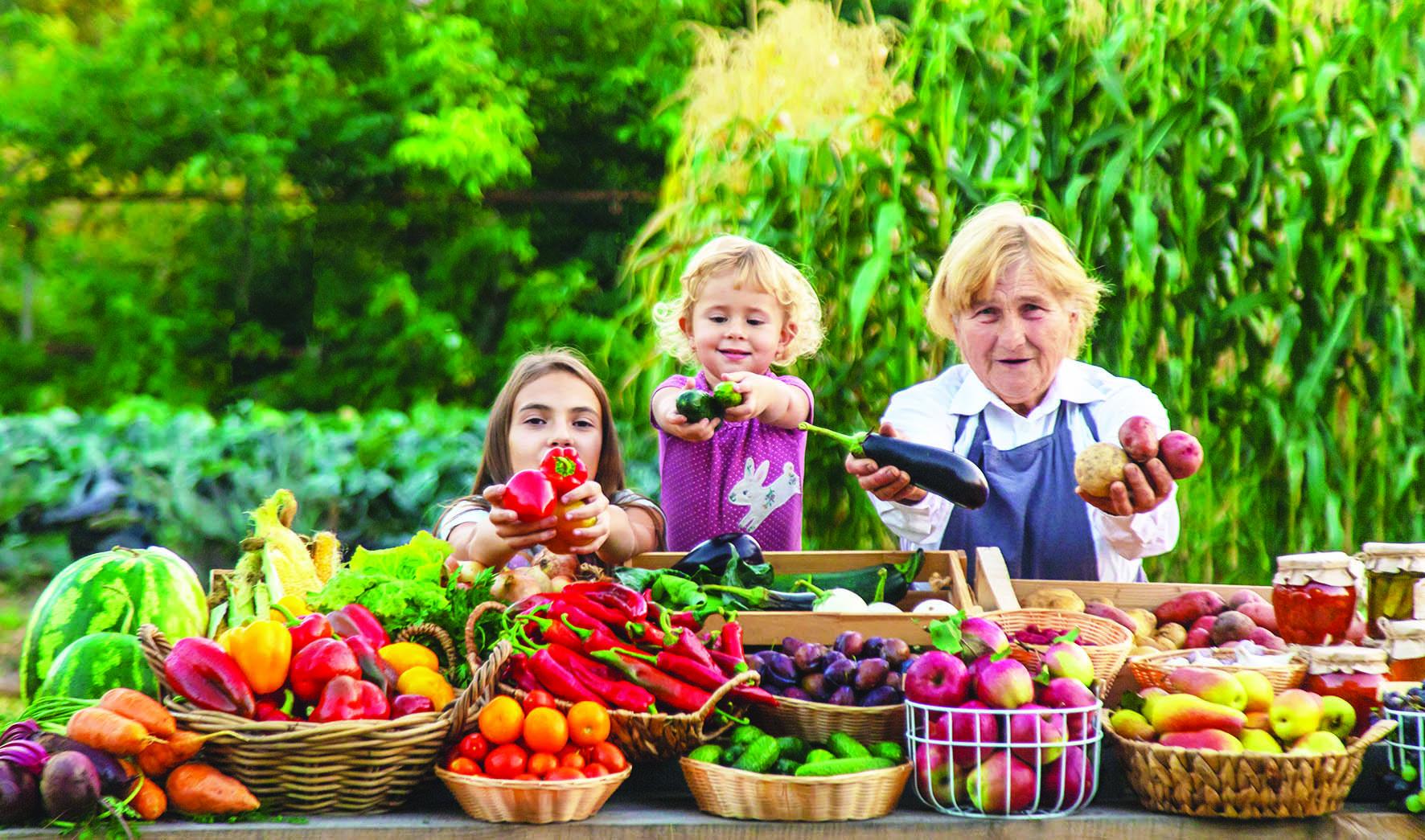
Recent proposed regulatory changes affecting home gardeners and small producers have been another example of regulators getting lost in the weeds.
Biosecurity Tasmania’s Phase 2 draft Primary Produce Safety (Horticulture Produce) Regulations 2026 were intended to align Tasmania with National Food Standards requirements for higher-risk fresh produce.
However, the proposed rules risked imposing disproportionate compliance burdens on hobby growers, roadside stallholders and small local producers.
When the draft rules were released for public consultation, concerned growers contacted TasFarmers as many feared the changes would amount to significant regulatory overreach.
The reforms focused on berries, leafy vegetables and other foods commonly eaten raw. These foods can carry greater risks when poor hygiene, handling or contamination impacts human health.
Food safety matters, and consumers must have confidence that the produce they buy is safe. But regulation must also be practical and proportionate to the level of risk.
TasFarmers raised concerns about applying a single regulatory standard to producers of every size. A large commercial grower supplying major markets should not necessarily face the same regulatory burden as a family selling surplus vegetables from a roadside stall.
Treating both in the same way would impose compliance costs that bare little relation to the actual risk involved in small-scale or family-grown food production by nan and pops everywhere and larger commercial operations.
Poorly designed regulation can also be self-defeating. Rules that are excessive, confusing or impractical are more likely to be ignored, particularly when governments continue to add costs and obligations that are excessive and heavy-handed, as seen in the case of alcohol and tobacco where there are significant black markets.
The public concern over these proposals was understandable.
Many Tasmanians grow fruit and vegetables in their backyards. For generations, children have learned where food comes from by planting carrots, lettuce and other vegetables at home.
Growing food is also one of the few practical ways households can push back against cost-of-living pressures.
When people have a little extra, they may give it away, sell their surplus or expand into a small operation supplying a local farmers’ market.
Under the draft regulations, many feared they would no longer be able to share or sell modest amounts of produce without facing unreasonable government demands.
The government’s decision to abandon the original approach and move towards a tiered, risk-based system is therefore a welcome outcome.
Larger producers can continue to meet the higher standards required to access major markets, while smaller growers can avoid burdensome rules that could make growing and sharing local fruit and vegetables ridiculously impractical for everyone.
Thankfully, the government has listened, and we will have a sensible outcome with strong food safety protections without burying small producers, roadside stallholders and community growers in bureaucratic red tape, which is exactly as needed in this situation.
We need more of this practical risk vs reward intervention from our political leaders as we focus on reducing the burden on primary producers being able to affordably continue feeding the nation. When the burden imposed by the bureaucracy to control a negligible risk becomes too great, no one wins.



Add new comment