
TasFarmers Matters - Imports freeze out local growers
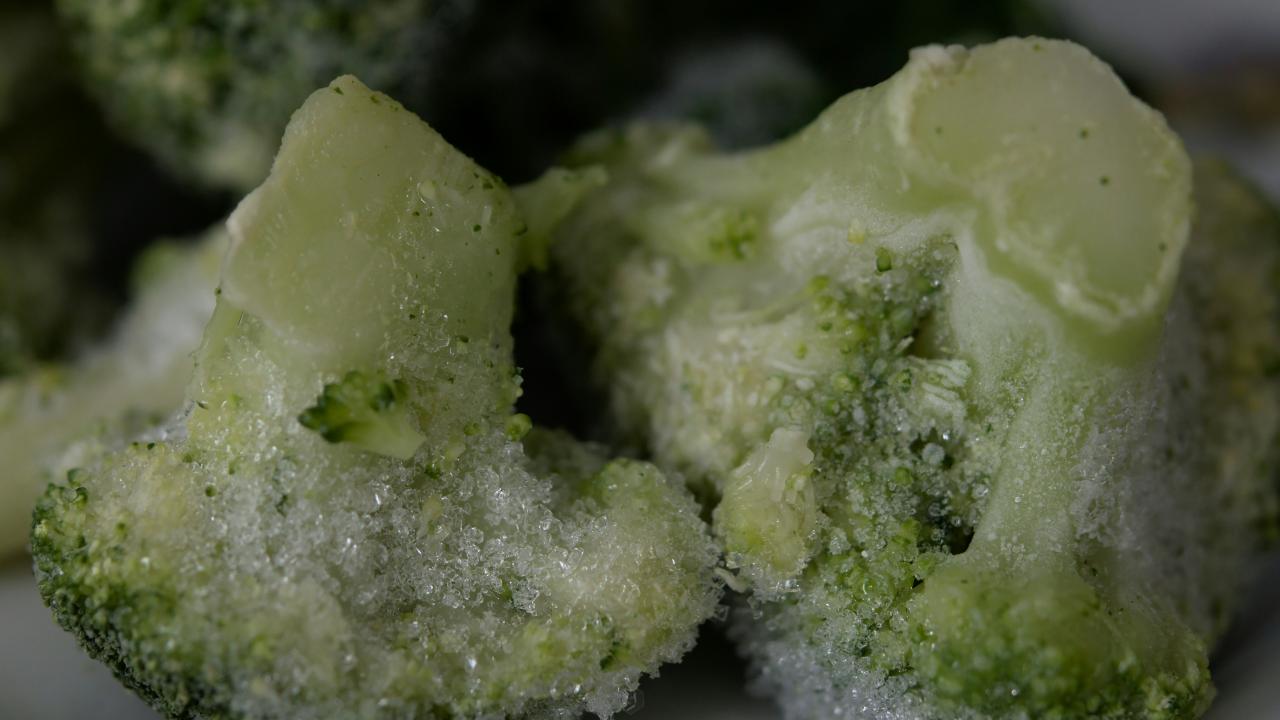
Much has been spoken about the impact that low-quality overseas imported vegetables have on Tasmanian growers.
We know that in 2024, over 232,000 tonnes of frozen vegetables were imported into this country.
We also know that this was a 20 per cent increase in volume on the previous year, but only a 3 per cent increase in value.
The biggest volume was from Belgium, and the largest increase in exports was from France.
German imports increased by 46 per cent.
One of the biggest drops in imports into Australia was from New Zealand.
Like Tasmania, the Kiwis are struggling to compete with northern hemisphere imports. Those raw numbers mean the imports are increasing, and their cost is decreasing.
This is why Tasmanian growers are under such price pressure at the farm gate.
At a time when there is much spoken of the ‘cost of living’ crisis, cheap food on shop shelves seems like a good idea.
But is it?
Cheap food isn’t the best food.
Relying on overseas import markets to feed the country is shortsighted.
Undermining national food security is borderline criminal.
But who is selling these cut price and low-quality frozen vegetables?
While the two major supermarket chains do sell plenty of them, two huge sellers on mainland Australia are Costco and Aldi.
Each of these overseas-owned businesses operate on high volume but low margins. They buy at the cheapest possible end of the spectrum and have no loyalty to Australian-grown produce.
Frozen vegetables are a key market in Australia as families look for the convenience of vegies straight from the freezer at the end of their busy day at work.
Next time you are in Melbourne or Sydney, have a look at the shelves in Costco and Aldi. It will be a struggle to find any vegetables grown in Australia.
Yet there is a Tasmanian Greens Senator who loudly advocates for these two chains to set up in Tasmania.
Unfortunately, this is following a global trend that bigger is better and cheaper is best. Large multinationals are getting larger in direct proportion to the number of competitors getting smaller.
This leads to one unfortunate conclusion, and that is market control falls into fewer hands as big companies buy their competitors.
Market control leads to lower farm gate prices for farmers and more expensive products on supermarket shelves for consumers.
Guess who is doing well in the middle.
As cheaper imported products claw away market share from locally grown vegetables, there is huge pressure on local growers to price-match the imports, despite the better quality and delivery assurance of the Tasmanian-grown product.
Australian brands pay for prime shelf space to at least have a prominent position in the freezer aisle – all of which places more pressure on local farmers.
The reality with these huge global retail corporations is that they control the supply chain and can manage markets in terms of supply and consequently, price. Supermarket chains such as Costco and Aldi use their import power to drive down the price of local food.
Even though the frozen food they are importing is often of lower quality than locally grown food, the pressure on price flows on to local growers, all of whom are paying retail for their farm inputs but receiving cheap wholesale for their products.
Australia’s food security is currently on a knife-edge with the unfettered level of imports piling onto local supermarket shelves.
Government surely cannot continue to ignore the plight of Australian vegetable growers by hiding behind free trade agreements.
Strong policy action is required, as we are rapidly ‘free’ trading away our ability to feed this country with what is grown in this country.




Add new comment