
TasFarmers Matters - Licensed owners in cap trap
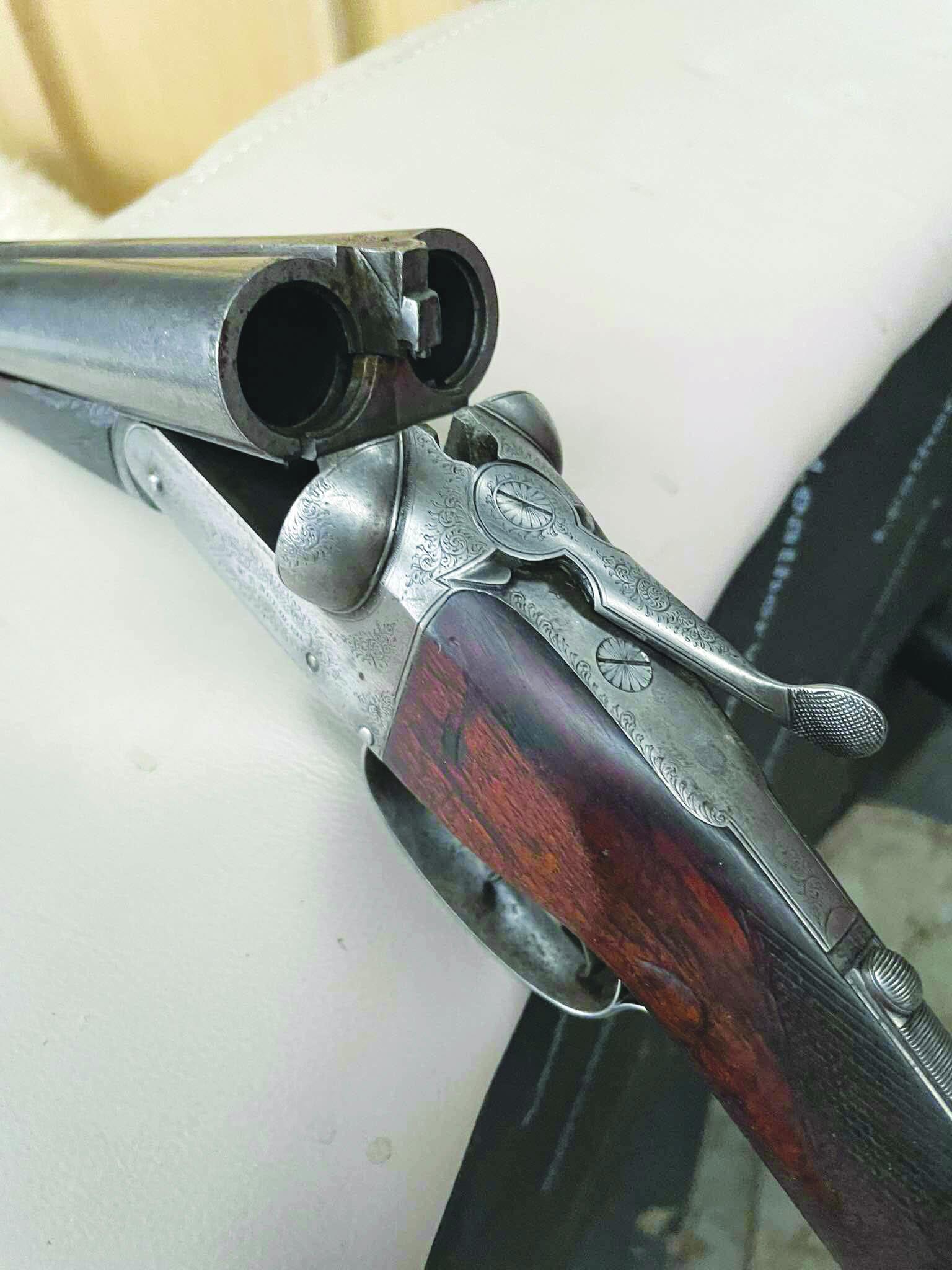
In any debate about firearm laws, community safety must remain paramount. The Bondi massacre has understandably renewed that debate across Australia.
However, the circumstances surrounding that attack highlighted failures extending well beyond the number of firearms legally owned. They raised serious questions about antisemitism, intelligence sharing, policing and whether critical information was reaching the authorities responsible for firearm licensing.
Any reform arising from that tragedy should address the failures that allowed it to occur.
The firearm debate should therefore be informed, respectful and grounded in evidence. Instead, much of the public discussion has been dominated by emotional arguments from both sides.
Good laws require strong evidence. A robust democracy also requires responsible debate, particularly when proposed laws would affect thousands of people who have complied with every licensing, storage and regulatory requirement placed upon them.
Tasmania already has a highly regulated firearm licensing system. Yet the present debate is focused heavily on further restricting licensed owners without first establishing that the number of firearms they lawfully possess is driving firearm crime.
When Police Commissioner Donna Adams was recently asked in parliamentary Budget Estimates how many firearm offences were committed by licensed owners compared with unlicensed people, she acknowledged Tasmania Police could not provide that breakdown.
“We don’t have a dataset that captures that,” the Commissioner said.
Police representatives explained that firearm licensing and offence information is held across different systems and cannot be readily extracted to show whether a person involved in an offence was a current licence holder.
That is an important gap in the evidence.
If Tasmania cannot presently determine whether firearm offences are predominantly associated with licensed or unlicensed people, where is the evidentiary basis for restricting the number of firearms held by those who obey the law?
Under the Tasmanian Firearms Act, an applicant must demonstrate a genuine reason for possessing a firearm. Every additional firearm requires a permit to acquire and must be approved for a legitimate purpose.
This principle has been fundamental to Tasmania’s firearm laws since the 1996 National Firearms Agreement.
The agreement established genuine reason as the basis for ownership, rather than imposing an arbitrary numerical cap.
This means firearm ownership in Tasmania is not unlimited. Every firearm must be justified, approved, registered and stored appropriately.
The number of firearms held by an owner also determines the security measures they must meet.
Owners must show they have the required storage facilities, which reflect the type and number of firearms held, and in some cases require 24-hour video surveillance.
There is also a practical reason why farmers, professional shooters and volunteer hunters may require several firearms. Different firearms are used for different vermin and wildlife control tasks, environments and animal-welfare circumstances. They are tools of trade selected for a particular task; they are not interchangeable and universal for every task.
None of this means firearm laws should be immune from review.
Illegal firearms possession and manufacture, theft, family violence, organised crime and failures in intelligence sharing all require serious and effective responses.
Reform is needed within the context of the system failures and should be directed at demonstrated risks.
Before imposing arbitrary caps, Parliament should be able to explain what measurable risk those caps would address, what evidence connects the lawful number of firearms held to criminal offending, and why existing genuine-reason, permit, licensing and storage requirements are insufficient.




Add new comment