
Federal government looking at new biocontrol agent for wild rabbit population control
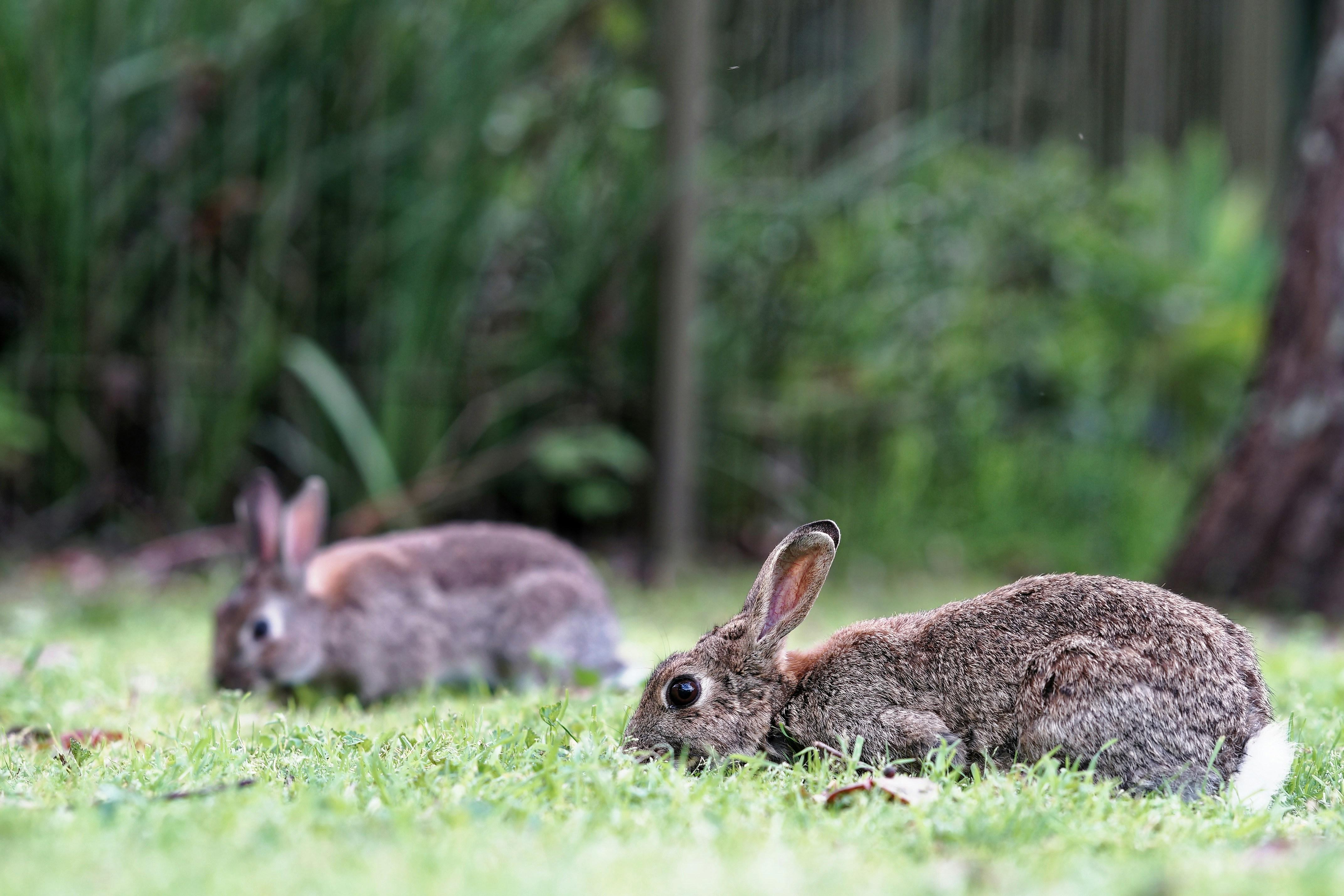
The federal government is ramping up its efforts in the war against feral rabbits.
The Commonwealth is investing $2.6 million as part of a $4 million national partnership to deliver Phase 1 of a new program – the Future-Proofing Rabbit Biocontrol.
The partnership involves the Department of Agriculture, Fisheries and Forestry, CSIRO, the Centre for Invasive Species Solutions (CISS), state and territory governments, and Meat & Livestock Australia (MLA).
The first phase involves identifying new rabbit haemorrhagic disease virus (RHDV) variants that could be used as future biological control agents.
Depending on how well the first phase goes, the program is then planned to focus on developing the biocontrol pipeline by investigating virus efficacy and epidemiology, vaccine development, risk assessment and release planning to support future regulatory approvals.
MLA Animal Wellbeing and Biosecurity Group Manager Michael Laurence said wild rabbits posed problems for agriculture.
“Feral rabbits continue to impose costs on Australia's red meat industry and cause extensive damage to productive landscapes and native ecosystems,” Dr Michael Laurence said.
“This investment will help ensure we remain at the forefront of developing effective, science-based solutions to manage this destructive pest.
“MLA welcomes this partnership and is proud to contribute to collaborative research that delivers practical, long-term benefits for livestock producers, regional communities and the environment.
Federal Agriculture Minister Julie Collins said the government would not be complacent when it comes to the threat of established pests such as feral rabbits.
“We know that the effectiveness of rabbit biocontrol declines over time, which is why we’re working together with state and territory governments, industry and leading researchers on future control options,” Ms Collins said.
“I’m pleased this new national partnership is progressing, because keeping our farmers productive and our natural environments healthy is a shared responsibility.”
CISS CEO Shauna Chadlowe said the program was collaboration at its best.
“By bringing together all Australian governments, industry and CSIRO’s world-class researchers, we’re taking an important step towards future-proofing rabbit biocontrol,” Ms Chadlowe said.
“CISS is proud to be leading the national coordination of this groundbreaking work that will help Australia stay ahead of one of our most destructive invasive pests.”
Invasive Species Council CEO Jack Gough said the federal government funding was welcome.
“Keeping ahead of rabbits requires ongoing innovation,” Mr Gough said.
“This partnership will help protect our native wildlife, support farmers and ensure Australia remains a global leader in rabbit biocontrol.”
CSIRO Senior Principal Research Scientist Dr Tanja Strive said “sustained efforts are needed to ensure we have a steady pipeline of effective biocontrol solutions to keep rabbit populations suppressed below damaging levels and mitigating the impacts of this invasive species”.




Add new comment
Comments
Idea for controlling rabbits
Farmers could include fox terriers into their farm working animal teams(not miniature breeds but standard breed). They are amazing at chasing down rabbits. They have endless energy, chasing constantly. I have seen them go for hours chasing rabbits in and out of briars. They can fit into some warrens and they would kill babies. And if trained in cold imagine a steady outcome. They are also non aggressive and friendly.
Tasmanian Rabbit control
I understand the need to reduce wild Rabbits. However the using of poison isn't the right way. I believe the money government uses for the making and distribution of the poison would better everyone if we could go back to the older ways. Pay the farmers, and rabbit catcher for every rabbit they catch and kill. Using a more humane way off culling. I personally would eat wild Rabbits if they showed signs of being healthy and not poisoned, also business that makes dog food could benifit for the cheaper meat. I have 5 acres in Heybridge and boths sides of my block are lawns no animals and I've only ever seen 1 rabbit and that was over 2 years ago. The rabbits on Burnie Bunny island near McDonald's. I used to see several large bunnies. Now I'm lucky to see 1 and they are not big at all. Also where I would count dozens sometimes 500 metres passed stowport turnoff heading east. You have definitely reduced rabbits from where I would normally had seen them 3+ years ago. Cull the rabbits in the places they need culling.