
EPA finds florfenicol poses low risk to Tasmanian marine environment
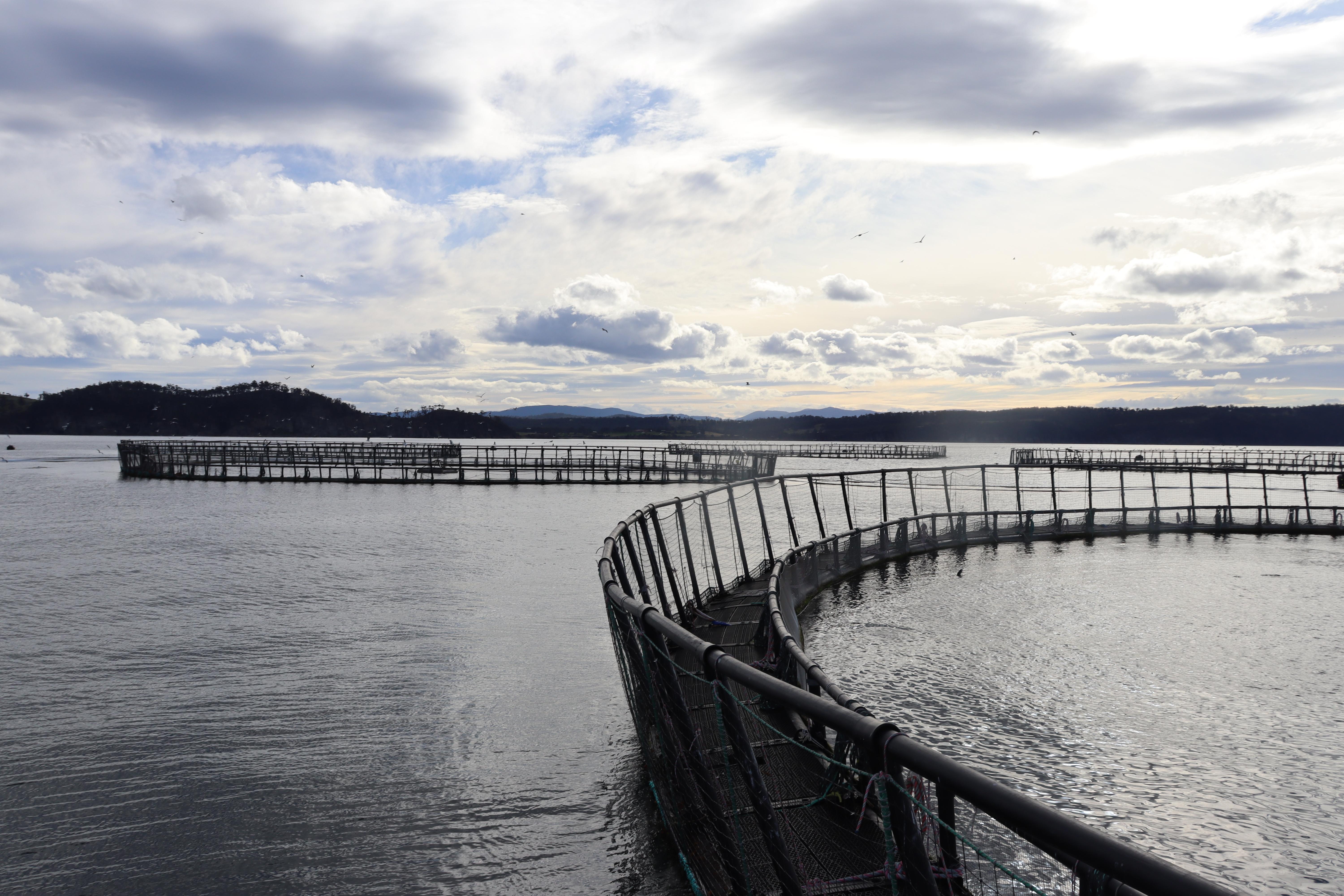
Tasmania’s Environment Protection Authority (EPA) says that the use of florfenicol in salmon pens in the south of the state posed a low risk of environmental harm in marine waters.
Salmon companies began using the antibiotic last year to prevent a mass fish mortality event similar to the one that occurred in early 2025.
The Australian Pesticides and Veterinary Medicines Authority suspended the emergency use permit for florfenicol on March 4.
The EPA conducted an Environmental Risk Assessment on the use of the antibiotic, with the organisation’s director, Catherine Murdoch, saying that earlier studies had found that the majority of the antibiotic administered was taken up by salmon, with measured concentrations in the environment remaining very low and consistent with previously reported results.
For its assessment, the EPA set interim guideline levels of 7 µg/L for florfenicol in pristine Tasmanian marine ecosystems and 50 µg/L in modified Tasmanian marine ecosystems, such as the D'Entrecasteaux Channel.
The study examined water and sediment samples collected from 4,240 sites, both inside and outside nine treated fish farm sites.
None of the samples had florfenicol levels above the interim guideline levels, and fewer than 12 per cent had any measurable amount of florfenicol or its breakdown product.
The sample with the highest florfenicol concentration was 5.2 µg/L and was collected right next to a salmon pen receiving antibiotic treatment.
That was about 10 times lower than the guideline levels, and the average level in samples where florfenicol was found was 0.4 µg/L.
“The findings of this environmental risk assessment highlight that the use of florfenicol in Tasmania's marine waters between November 2025 and March 2026 posed a low risk of causing unacceptable environmental harm,” Ms Murdoch said.
“Overall, the results indicate that impacts were limited and unlikely to affect the health of the marine environment."
Salmon Tasmania CEO John Whittington said the EPA’s findings confirmed that florfenicol was safe to use.
“Tasmanian salmon growers operate under the strongest regulatory regime in the world,” Dr Whittington said.
“We take our environmental responsibilities incredibly seriously, and we welcome this kind of rigorous, independent scrutiny.”
But the Bob Brown Foundation was critical of the EPA's decision to exclude the risk to bacteria from its report.
"Given the documented scientific evidence of the significant impacts of Florfenicol in Chilean waters, especially to bacterial communities, the conclusion by the EPA that Florfenicol is supposedly low risk while excluding assessing Tasmania's bacterial communities, is extremely troubling,” the organisation’s Antarctic and Marine Campaigner, Alistair Allan, said.
“Bacteria are foundational to any ecosystem.
“They play a critical role, and seeing as antibiotics are designed to exclusively target bacteria, failing to include that risk is astonishing.
Mr Allan said he believed the risk to the bacterial foundation of the marine environment was “anything but low”.
“What is worse is that the EPA excluded bacteria from the risk assessment, so we don’t even know.
“The factory fish farms' permit to use Florfenicol was revoked by the federal government because the industry contaminated Tasmania’s waters so badly that florfenicol was found over 10km away from the nearest fish farm, and it risked other fisheries.
“It's time to get these polluting fish farms out of Tasmania's waters.”




Add new comment