
Launceston area farmers hit with huge rate rise
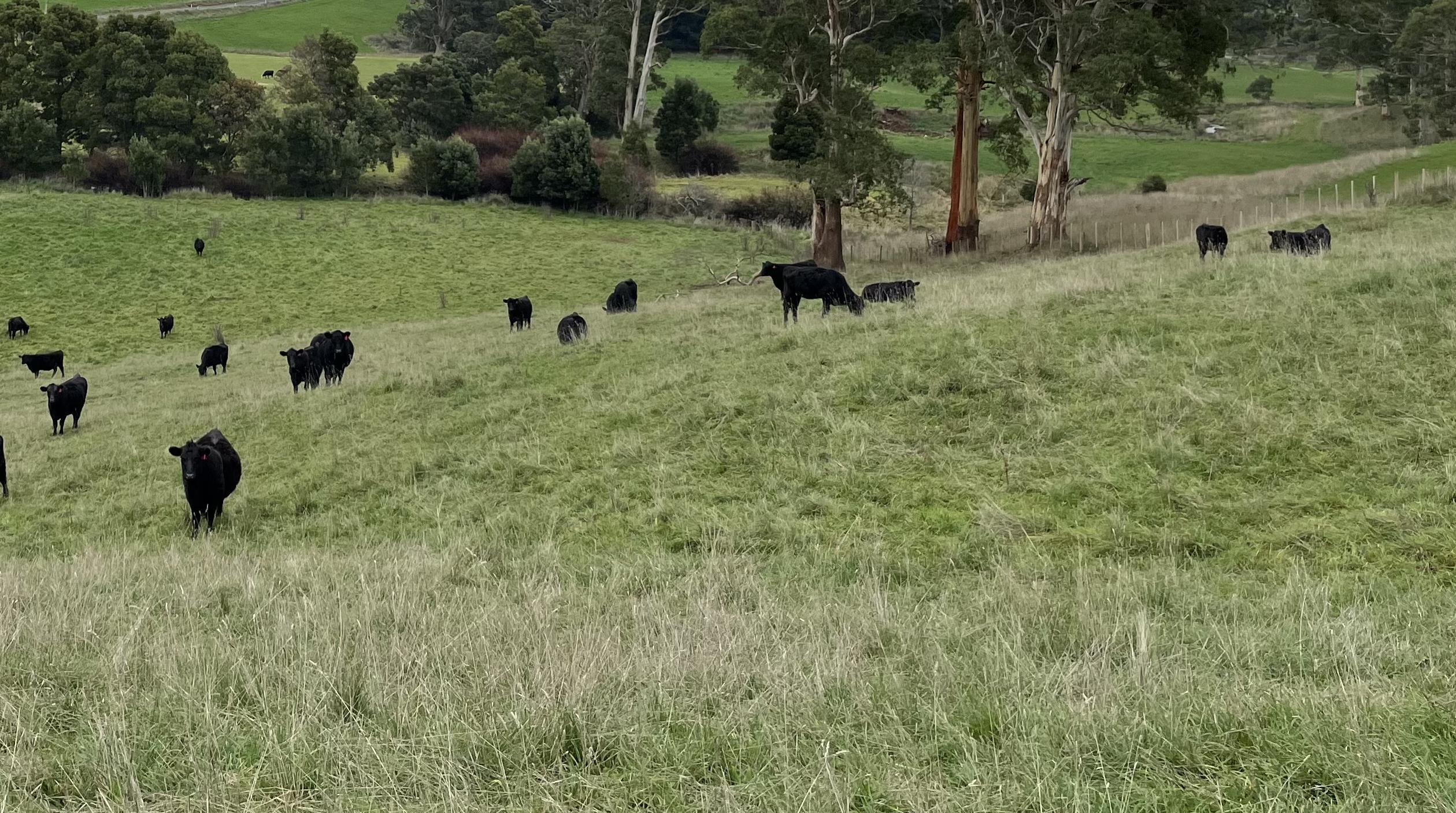
Farmers in the City of Launceston municipality are reeling from unexpected huge increases in rates on primary production land.
The new general rate applied to farmland by the City of Launceston for the 2026/27 financial year is 7.1225 cents in the dollar of the Assessed Annual Value (AAV), a nearly 40 percent jump from the 2024/25 rate of 4.8112 cents and 35 percent higher than the residential rate of 5.2759 cents.
The increased rates were adopted as part of the council’s Annual Plan and Budget on June 18 to align Commercial, Industrial and Primary Production rating categories.
Peak body TasFarmers said there was no consultation or communication with primary producers or TasFarmers.
“Farmers have been in contact with our office this week about extraordinary and unjustified increases in council rates between 40 percent and 47 percent depending upon being either primary production land or vacant land used for primary production,” TasFarmers CEO Nathan Calman said.
“One of our members has seen their rates demand increase by $14,721 to $62,427 this year, with no change in services provided.”
Tasmanian agricultural land values have outpaced national averages in recent years, however the Council’s rate increase is not directly related to property valuations by the Office of the Valuer-General.
A Council spokesperson said that the change was made to improve equity across income-generating property types.
“Historically, commercial properties have paid a significantly higher rate in the dollar than industrial and primary production properties, despite all three categories being business-related land uses,” the spokesperson said.
“The impact on individual primary production properties varies depending on the characteristics of each property, including size and valuation.”
The change affects 553 properties, and is seen as a money grab by farmers who are already feeling the pressure of the increasing costs of fuel, fertiliser, labour, insurance and transport.
Lilydale dairy farmer Robert Arnold said that his grandfather ran the Lilydale Council for many years and “he would be disgusted by the rate hike”.
“When such a large proportion of council revenue is reportedly spent on wages, the public sector needs to take a hard look at itself,” he said.
“Many people making these decisions wouldn't last a day in our shoes. As farmers, we deal with long hours, unpredictable weather, rising costs and constant uncertainty, yet we keep going because that's what we have to do.
“A 34 percent increase in our rates in a single year is simply unacceptable and outrageous.”
Mr Arnold said that primary producers do more than contribute financially to their communities.
“We put food on people's tables. Unlike many businesses, we have no control over the price we receive for our products. We work with the seasons, the weather and the market, doing our best to make the right decisions every day.
“If our income increased by 34 percent in one year, that would be extraordinary - but it doesn't. “Expecting a farmer to absorb a 34 percent increase in rates is simply unfair and unsustainable.”
Mr Calman said that agriculture across Tasmania is facing battles on many fronts, and unexpected and significant increases such as the rates rise further compound the marginal financial position of many farmers.
“TasFarmers is seeking an urgent explanation and justification from the City of Launceston Council for these huge increases in rates”, Mr Calman said.
He called on the Council to reconsider “these extraordinary increases” and re-issue rates demands for general primary production land at 2025 levels.
The Council spokesperson said that primary production properties have had a comparatively low rating structure for many years and that the change brings the rating structure more closely into line with commercial and industrial properties, which are also income-generating property types.
“The decision was based on improving equity between business-related property categories. Residential ratepayers generally fund rates from household income, while rates on business-related properties are generally considered a business operating expense,” the spokesperson said.
“Any reduction to the primary production rate would create a revenue shortfall that would need to be addressed through higher rates on other categories, including residential and commercial ratepayers, or through reductions in Council expenditure and service levels.”




Add new comment