
Achieving your best calf growth rates with Halter
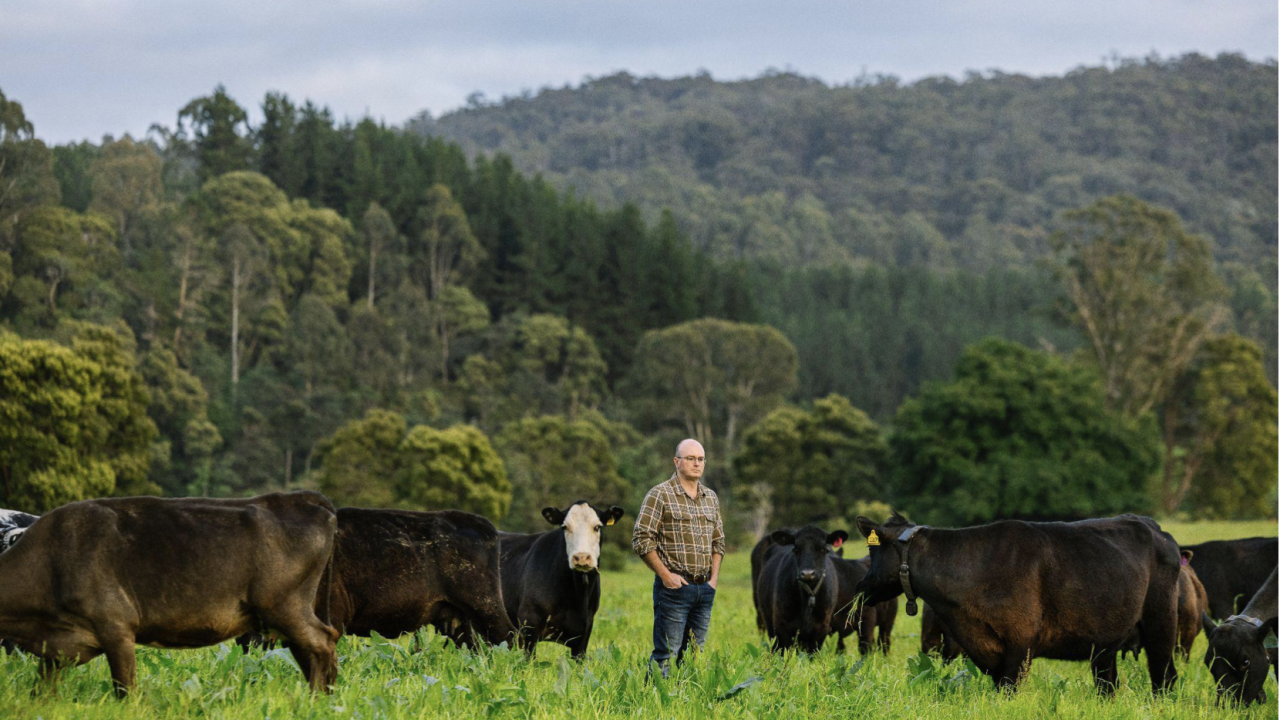
Nathan Cox runs a 320-acre mixed operation out of Paloona on Tasmania's northwest coast - beef cows, potatoes, and fodder beet, with around 100 cows across the property. Like most farmers, time, grass, and lifestyle were a constant juggle. Then Halter changed that. Pretty quickly.
The Halter team sat down with Nathan to find out what's actually different on his farm now, in his own words.
Within 48 hours, he knew
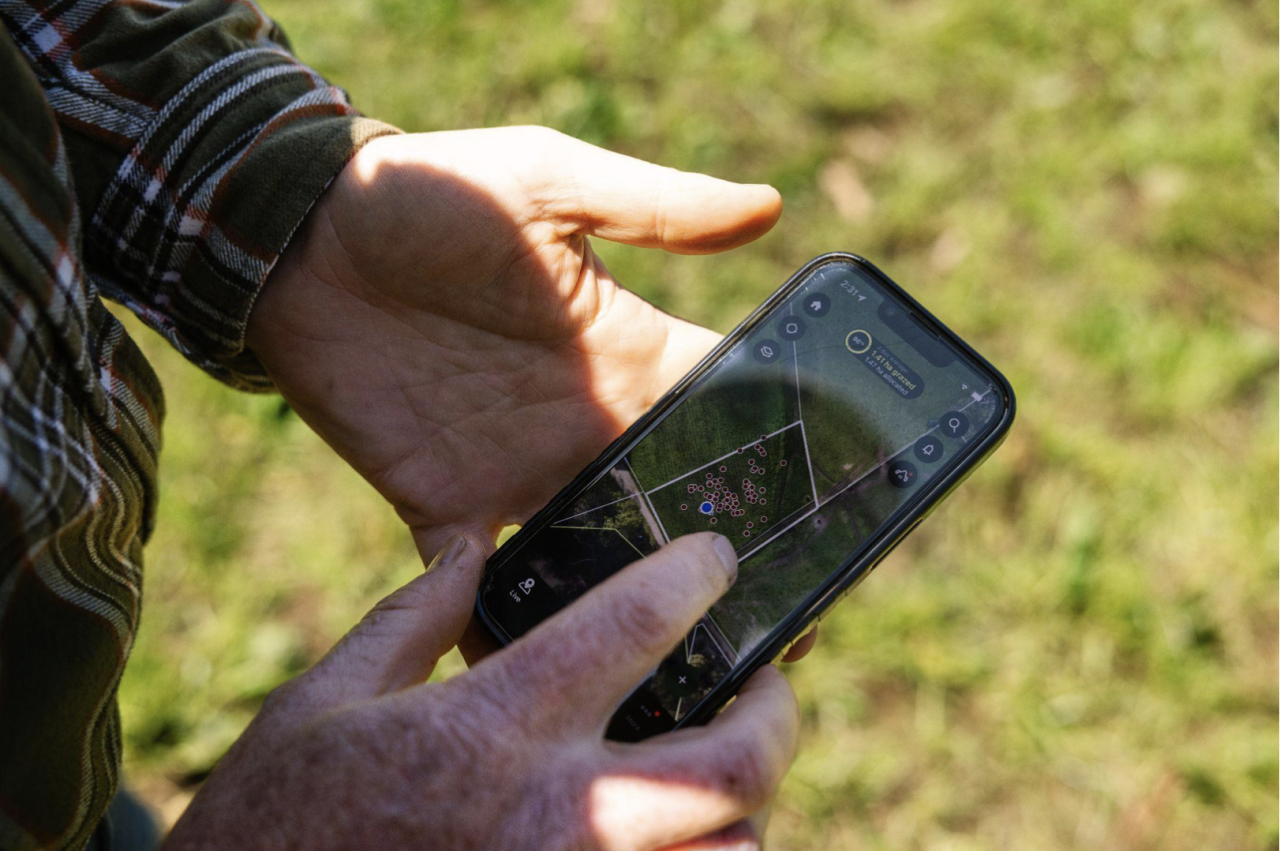
"Within the first 48 hours, honestly. I could accurately allocate feed, shift cows from my phone, and see how the herd were behaving in real time - all without any extra effort. We realised straight away it was a game changer."
That kind of clarity on day two isn't something most farmers expect from a new piece of technology. But for Nathan, the proof was immediate and practical. No guesswork. No waiting to see if it would work for his style of farming.
More grass, better grass - and paddocks he couldn't graze before
The results Nathan points to aren't abstract. They show up in the grass, in the calves, and in parts of his farm that used to go to waste.
"Calf growth rates have been some of the best I've seen. The calves can creep feed ahead of cows without physical fences, and if a cow needs extra attention I can pause her collar and let her feed in front of the herd."
Beyond the animals, Nathan has been able to make better use of his land in ways that simply weren't possible before.
"We're growing more grass, utilising better quality grass, and managing pasture far more effectively. We've even been able to take paddocks out of pasture and into lucerne for fodder production - that wasn't possible before."
Then there's the river paddock. A strip of land Nathan could never graze the way he wanted to.
"There's a paddock along the river we could never strip graze with no way to run a fence. With virtual fencing, we can now graze it precisely. Feed that was just sitting there is now contributing to the bottom line."
One to two hours back, every single day
For farmers, time lost to fence shifts isn't just inconvenient - it compounds. Nathan knows this better than most.
"Before Halter, a fence shift could take 20 minutes or two hours - time I'd never get back. Now Halter saves us between one and two hours a day on average. That time goes to higher-value on farm jobs. Or the family. Things that matter."
Over a year, that's hundreds of hours returned to Nathan and his wife - hours that now go where they're needed most.
“We wouldn't run the property the way we do without it"
Nathan was clear: Halter isn't just something that makes the farm more efficient. It's become fundamental to how the whole operation runs.
"We wouldn't run the property the way we do without it."
Asked what he'd do if he ever had to give it up, his answer was blunt: he'd probably sell the farm.
Watch the full case study here: https://www.halterhq.com/en-au/halter-farmers
So what is Halter, exactly?
Halter is a livestock management system that combines a smart collar, an app, and virtual fencing to help farmers manage cattle with far less physical infrastructure and far more visibility. Instead of relying solely on permanent fences, motorbikes, and constant check-ins, Halter lets you set
boundaries, move mobs, and monitor activity from your phone—helping turn day-to-day stock work into something more planned, precise, and easier to repeat.
On an Australian beef property, that can mean faster musters, simpler paddock changes, and better control over grazing across big areas and variable conditions. By guiding cattle where they need to be and giving you real-time insight into behaviour and location, Halter can help reduce labour pressure, improve pasture utilisation, and support calmer, more consistent handling—so you can spend less time chasing stock and more time focusing on the parts of the business that drive performance.
Are you ready to make the shift? We would love to hear from you, contact our team here:

Add new comment