
Big organic ambition realised for Small Wonder Wines
A West Tamar vineyard has been transformed into one of the biggest agri-tourism developments to emerge in the state in recent times and its new owners have dramatically changed the way they are growing grapes.
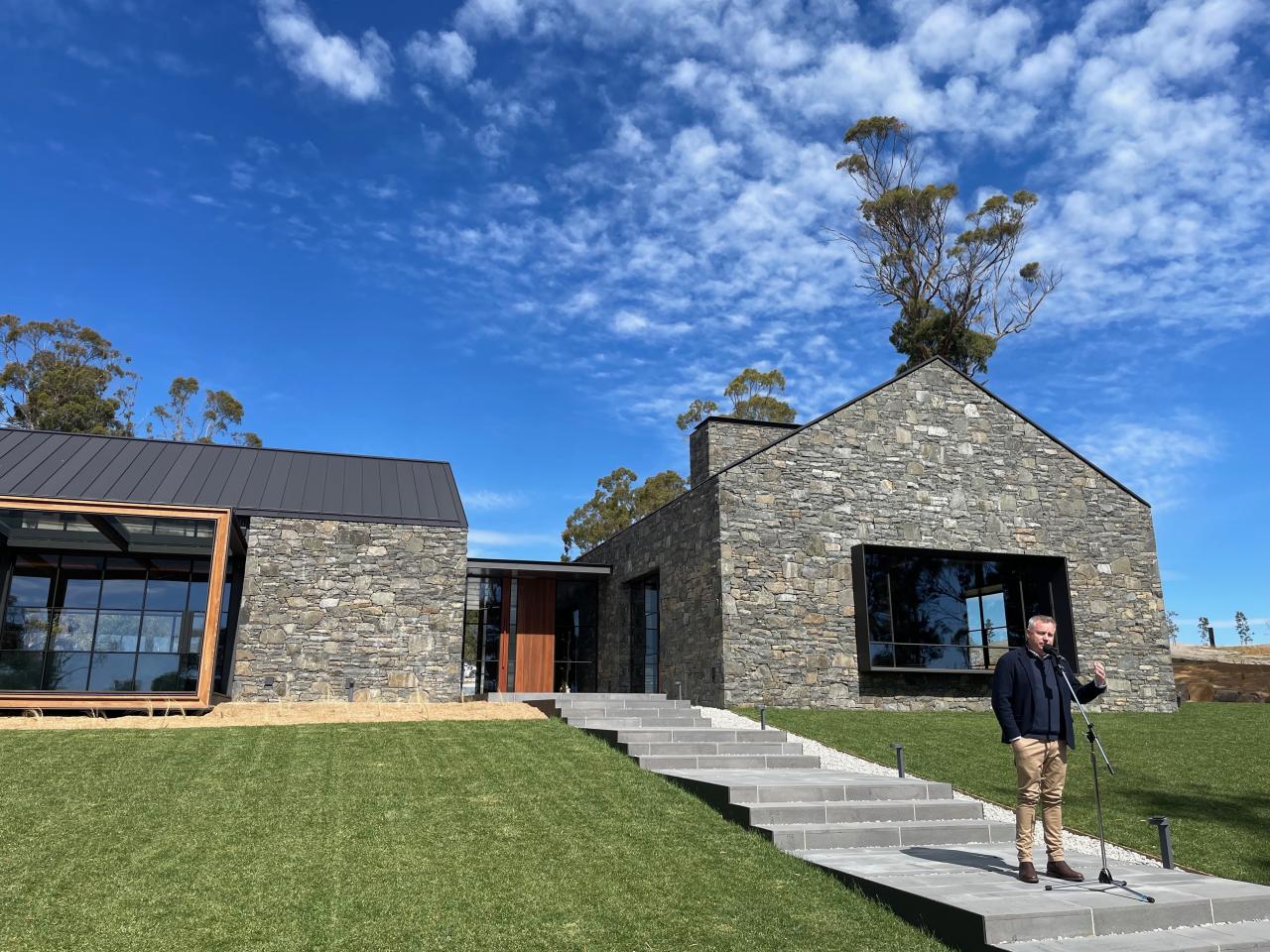
Small Wonder Cellar Door and Restaurant was officially opened at Kayena last week with Premier Jeremy Rockliff cutting the ribbon on the transformation of what was formerly Goaty Hill Vineyard.
Visitors have started flowing into the stunning new bluestone building which features a restaurant, two bars, a private function room, wine library and a wrap-around verandah for viewing the vineyard, Tamar Valley and the river in the distance.
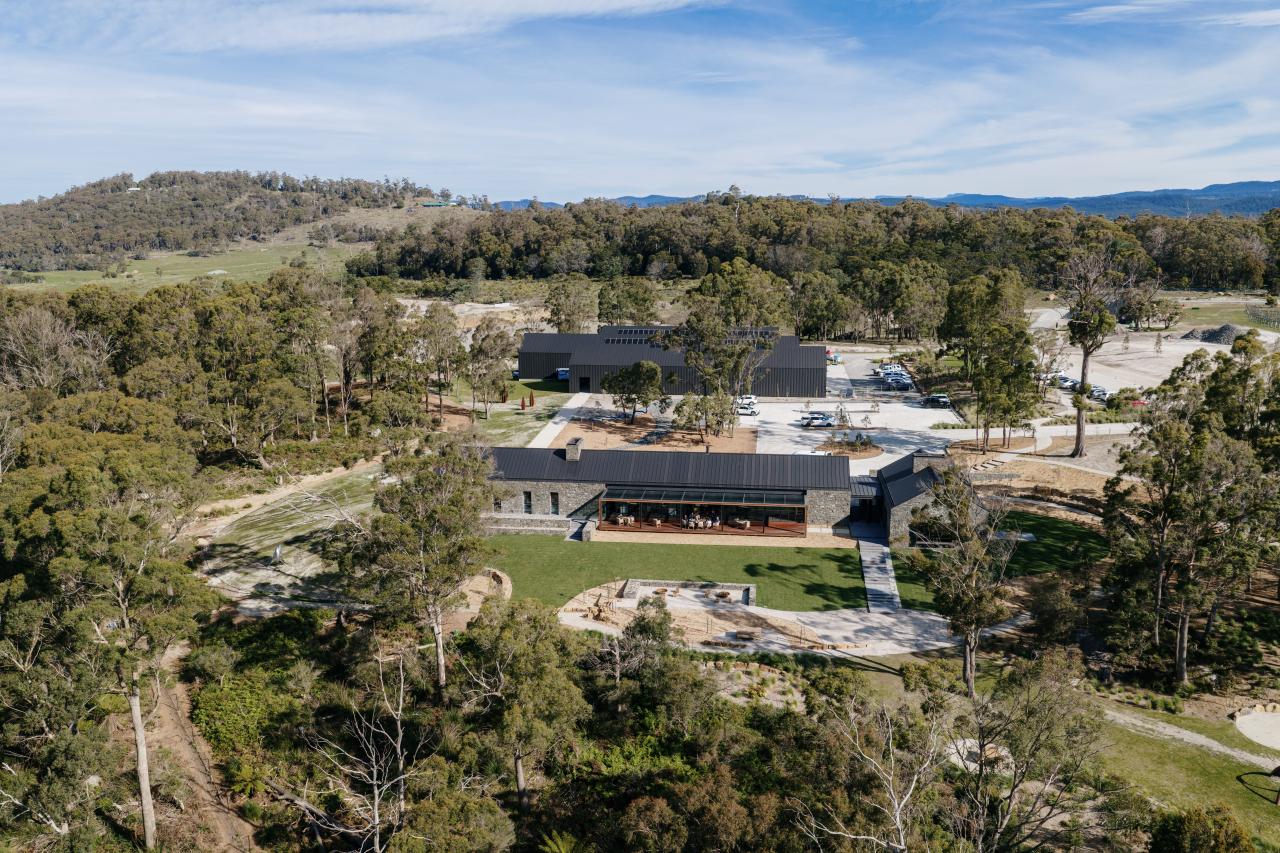
Outside is a beautifully landscaped area known simply as The Garden, with a fire pit, casual seating, sweeping lawns and huge sculptures dotted throughout the grounds.
No expense has been spared by Singapore-based couple Angus Davidson and Tracy Wong-Davidson, who were determined that Small Wonder and a second growing site purchased in the Coal River Valley in southern Tasmania, would transition to organic production by farming in a healthy, sustainable and regenerative way to meet the demands of a growing percentage of wine buyers.
It’s been a long process, which began with the vineyard purchase in 2020, but it’s one they’re becoming all too familiar with through their business, Overstory.
Overstory’s wine portfolio includes Wayfinder and Swell Season in WA, produced from its organic vineyard in Margaret River, while the Tasmanian operations are following suit.
Through the sales arm, Small Story Merchants, wine is distributed across Australia from the Small Wonder portfolio of brands as well as a curated portfolio of like-minded European producers in Italy, France, Austria, Germany and Hungary.
Mr Davidson said that Overstory was founded on a clear vision – to craft premium organic wines while actively regenerating the land.
“We firmly believe that healthy soil leads to healthy plants, healthy plants lead to healthy grapes and healthy grapes lead to better wine,” Mr Davidson said.
“Complementing that, Tasmania’s growing season for grapes between October and April, when the average temperature is 14.4 degrees, makes it a special place to grow grapes for cool climate wine, with conditions that drive style and quality.”

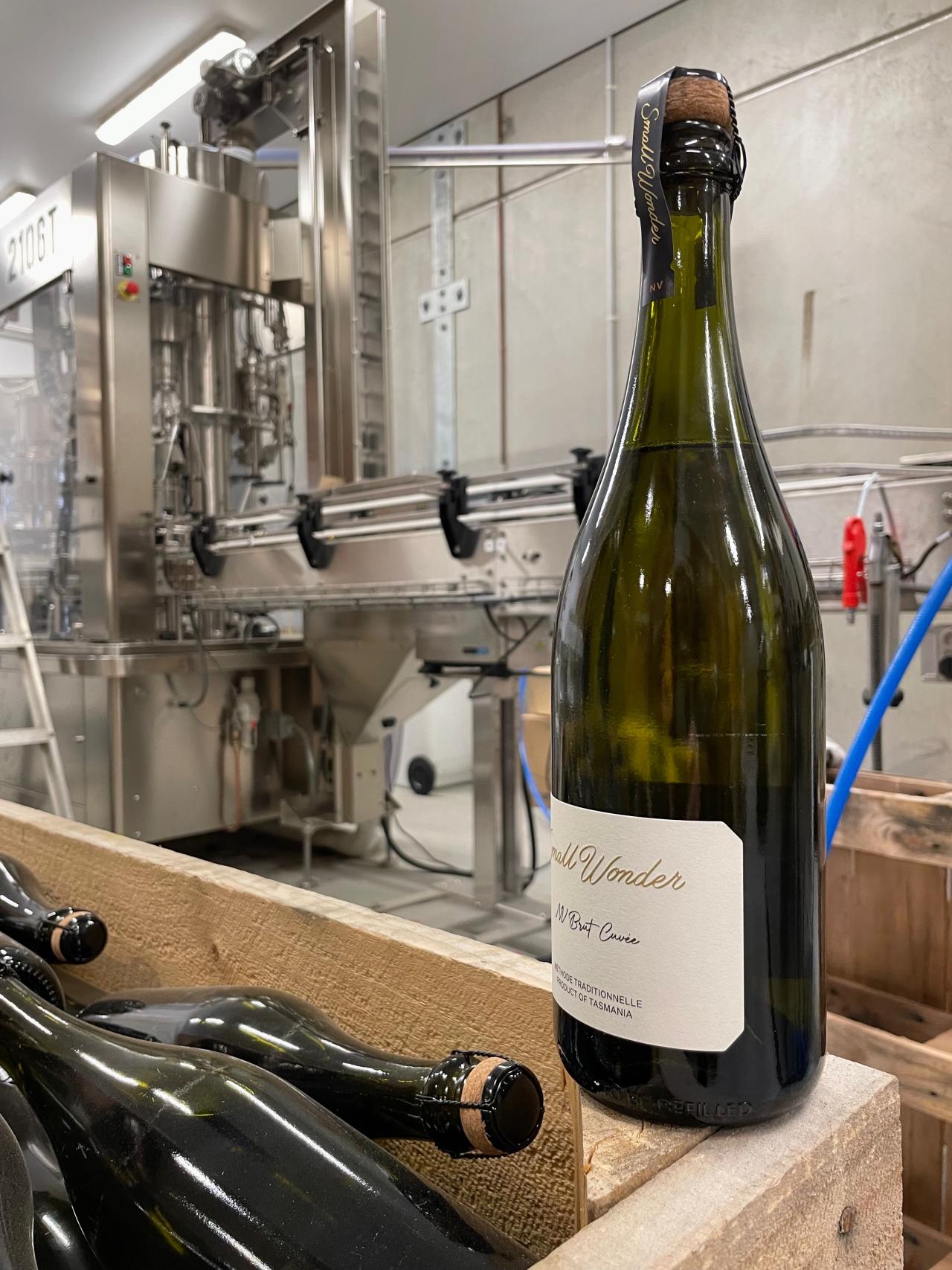
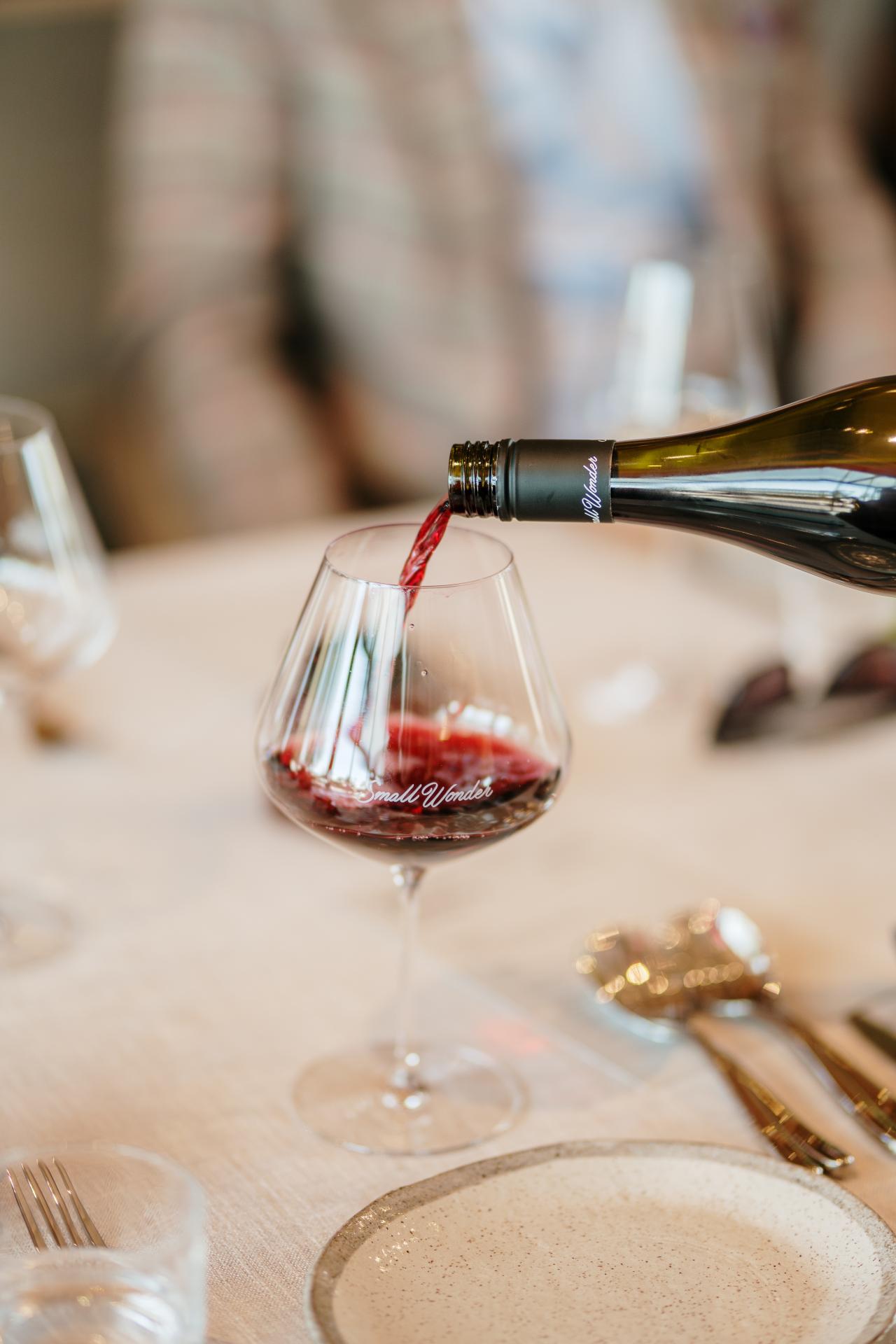
Small Wonder grows pinot noir, pinot gris, chardonnay, riesling and sauvignon blanc grapes and produces single-varietal white and red wines, rose and experimental blends and a sparkling program featuring styles like blanc de blanc.
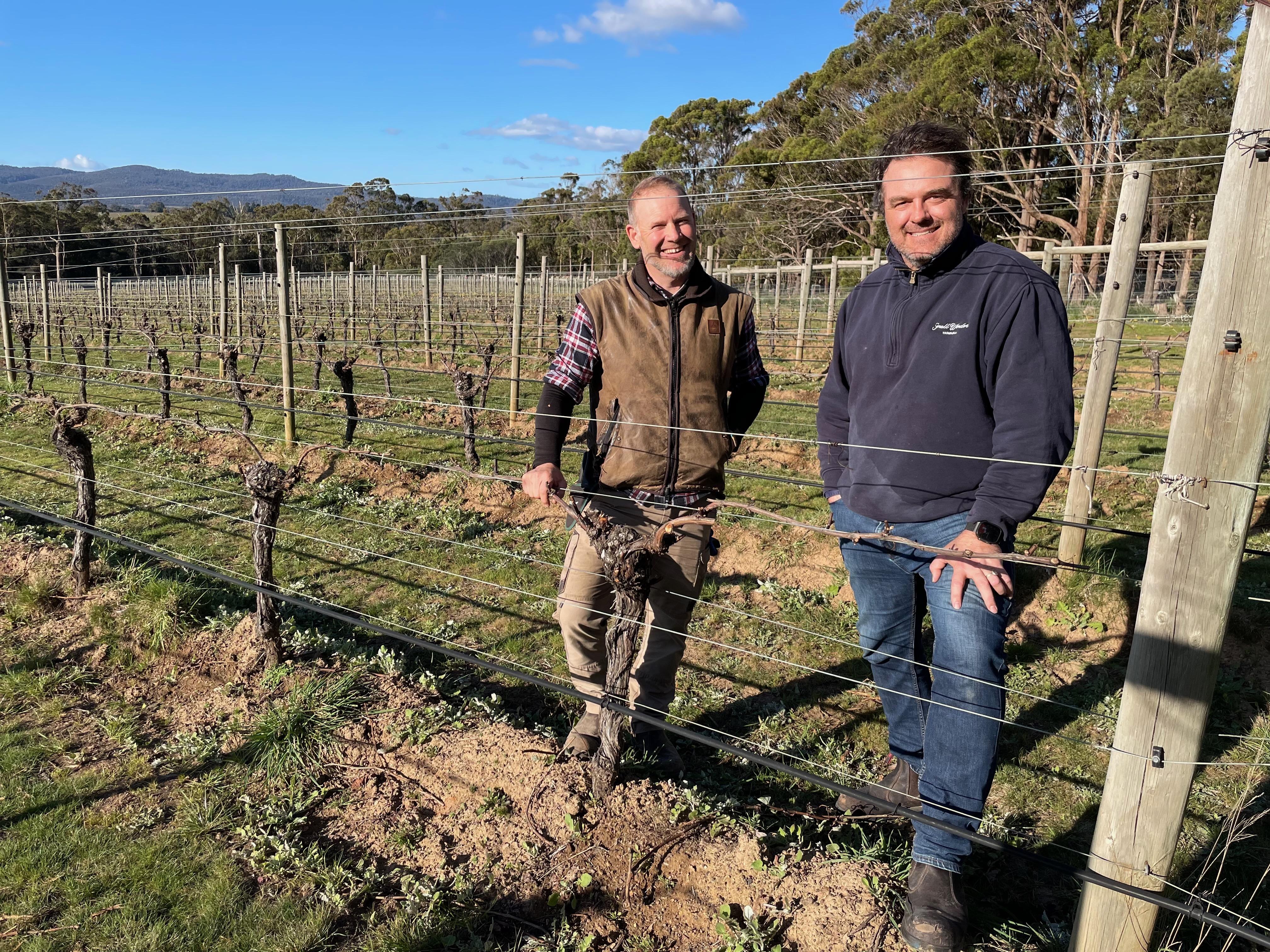
Vineyard manager Chris Martin has only been on site for two months, relocating from the Hunter Valley, although he once worked in Hobart for Stephano Lubiana Wines.
He has been in the industry growing for more than 20 years, and has spent 15 of those years working in organics.
“Small Wonder transitioned to organic growing of grapes immediately after the purchase and was certified in 2023 – joining probably less than 1 per cent of Tasmanian vineyards that make organic wine,” Mr Martin said. “That means I can’t rely on chemicals to control weeds and pests, and no synthetic fertilisers either which can flow right through and influence the end product.”
Mr Martin said organic methods were not so hard to apply to the 15ha of older vines but the five hectares of new vines need to be carefully managed, especially when it comes to water retention.
“We have to feed the soil and recycle those nutrients and we rely on cover crops and under-vine cultivation to reduce weed competition and retain moisture,” he said.
“The beans, peas and other crops we plant in the rows are incorporated into the soil along with a huge amount of compost and compost tea that we make.”
Mr Martin said growing organics was challenging in Tasmania because it’s relatively dry.
“Our real Achilles heel is that it can be warm and windy so evaporation is high and the vines are constantly thirsty because they are being dried out – we have to water a fair bit here and we rely on what’s in our dam, so we’re starting to get a bit nervous with the current dry spell,” he said.
Small Wonder winemaker Ockie Myburgh, originally from South Africa, came to Australia in 2003 to study winemaking and has worked at vineyards in the Clare Valley for international company Constellation Wines, eventually moving to Tasmania when they needed someone in their Bay of Fires winery.
For the past two years he’s been at Small Wonder, finding success at local wine shows as he develops new styles that allow bright, natural acidity and delicate fruit character to take centre stage.
He believes that the vine inputs all carry through to the flavour of the wine – to the point that the requirements of each block of the same grapes can result in unique and different “tenue” – the French word that describes how it tastes on the palate.
“For example we have four blocks of pinot and they are all very different,” he said.
“We’re looking for those block-specific wines and we don’t want to disturb what is created from the growing side that Chris is doing to the end product.
“Wine organics is about nurturing, giving the soil enough nutrients to carry the vines and the fruit and then producing beautiful wine – that’s exciting from our point of view.”
Sustainability is also at the core of the Small Wonder site with 128 solar panels lining the building alongside electric forklifts, on-site water treatment, and lighter-weight glass bottles across all production.
The ethos of organic food, locally grown and reflective of sustainable farming, carries through to the kitchen.
The seasonal, hyperlocal Small Wonder restaurant, led by Michelin-trained head chef Konstantin Putkin, offers a shared tasting menu which will evolve with the seasons and celebrate the best Tasmanian produce.
Mr Putkin is collaborating with an array of local growers including Summerlea Farm, Springfield Deer Farm, Littlewood Farm, Seven Springs Farm and Wattle Hill Olives for the offering.
The debut menu includes dishes such as a venison and wallaby sausage with spring peas, fermented chickpeas and sauce charcuterie; a long-line-caught market fish from Kyeema Seafoods with fermented Hillwood strawberry, leche de tigre, compressed spring citrus and wild fennel; and a pork cutlet from nearby Fork it Farm with larded black gastrique, burnt onion, house mustard and pickles.
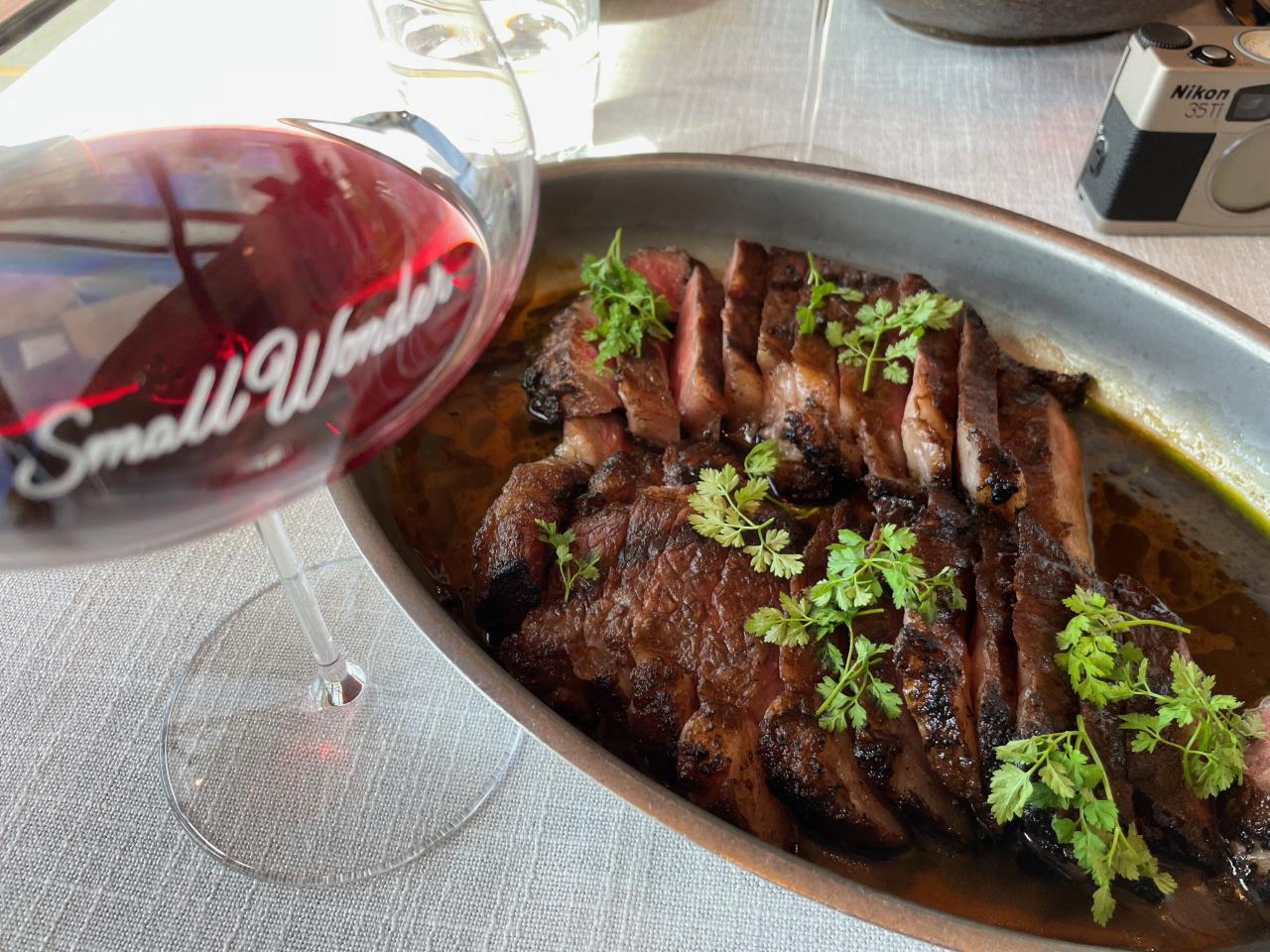
In the future, the restaurant will host quarterly, seasonal long lunches for up to 56 guests to enjoy a curated dining experience.
Outside, The Garden offers a casual, a-la-carte dining menu which includes options such as croquettes with local Pyengana Dairy cheddar, caramelised leek, fermented jalapeno and black garlic mayonnaise; house buttermilk Nichols Poultry fried chicken with fermented cherry hot sauce and Fork it Farm cured meats, local cheeses and house-fermented pickles. The Garden will also host live acoustic music sets each Saturday and Sunday afternoon.




Add new comment