
Seedlings and cuttings sold to locals through Hagley Farm School’s new Horticulture Hub
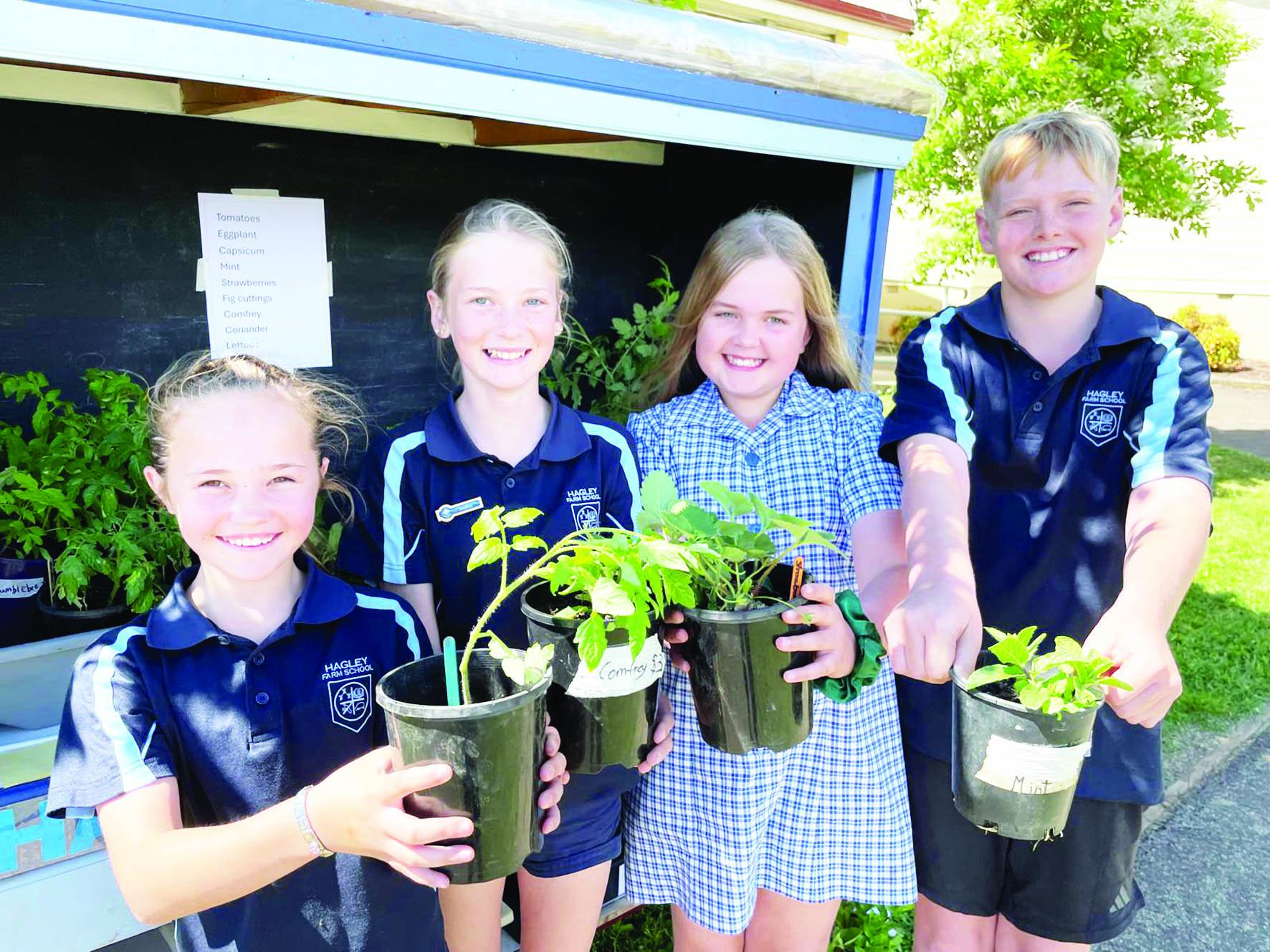
The sale of vegetable seedlings, herbs and fig cuttings were a positive sign that Hagley Farm School’s new Horticulture Hub is up and growing.
Carefully propagated tomatoes, eggplant, capsicum, mint and fig cuttings were quickly snapped up in the school carpark sale with every purchase supporting hands-on food and fibre learning and helping students develop skills in growing food, sustainability and horticulture.
At $2 and $4 per plant, and every fifth one free, it was a bargain for local gardeners and another sale will be held on Wednesday, November 4, 2:30-3:30pm.
A regular plant cart is also planned to consistently sell the fruits of the students’ labour.
Agricultural Learning Centre manager Tristan Bunker said that the Hagley Agricultural Learning Centre's Horticultural Hub is a new addition to the Agricultural Learning Centre (ALC) - one of Tasmania's five Department for Education, Children and Young People Field Study Centres, welcoming more than 5000 students each year from Kindergarten to Year 12.
“Through engaging, hands-on learning experiences, the ALC aims to inspire young people to explore agriculture, understand where their food and fibre comes from, and discover the diverse career opportunities available across Tasmania's agricultural industries,” Ms Bunker said.
“In addition the Horticultural Hub is designed to provide students with practical experiences in horticulture, sustainable food production and emerging agricultural technologies.”
The ALC recently secured funding through the Department of Natural Resources and Environment Tasmania (NRE Tas) to support the Hub's circular economy initiatives.
This will incorporate agricultural drones, tow-and-fert systems, worm farms and composting, demonstrating how organic waste and other resources can be effectively managed and reused to support productive horticultural systems.
Future plans for the Hub include the development of a full-sized greenhouse, an expanded market garden, a produce weighing and enterprise area and additional shaded outdoor learning spaces.
These facilities will provide opportunities for students to experience the complete horticultural production cycle, from propagation and growing through to harvesting, marketing and selling produce.
“It’s another step towards strengthening the connection between education and Tasmania's agricultural industries, providing students with authentic learning experiences that reflect modern farming practices,” Ms Bunker said.
“The ALC values its connections with industry and the wider community, which play an important role in creating meaningful agricultural learning opportunities for young people.”
“As part of the Hub's development, students and staff have been busy propagating and growing a range of plants for sale to the community which not only supports the Horticultural Hub but helps students develop practical skills in plant production and horticultural enterprise.”



Add new comment