
Concern at Rushy Lagoon sale to foreign interests
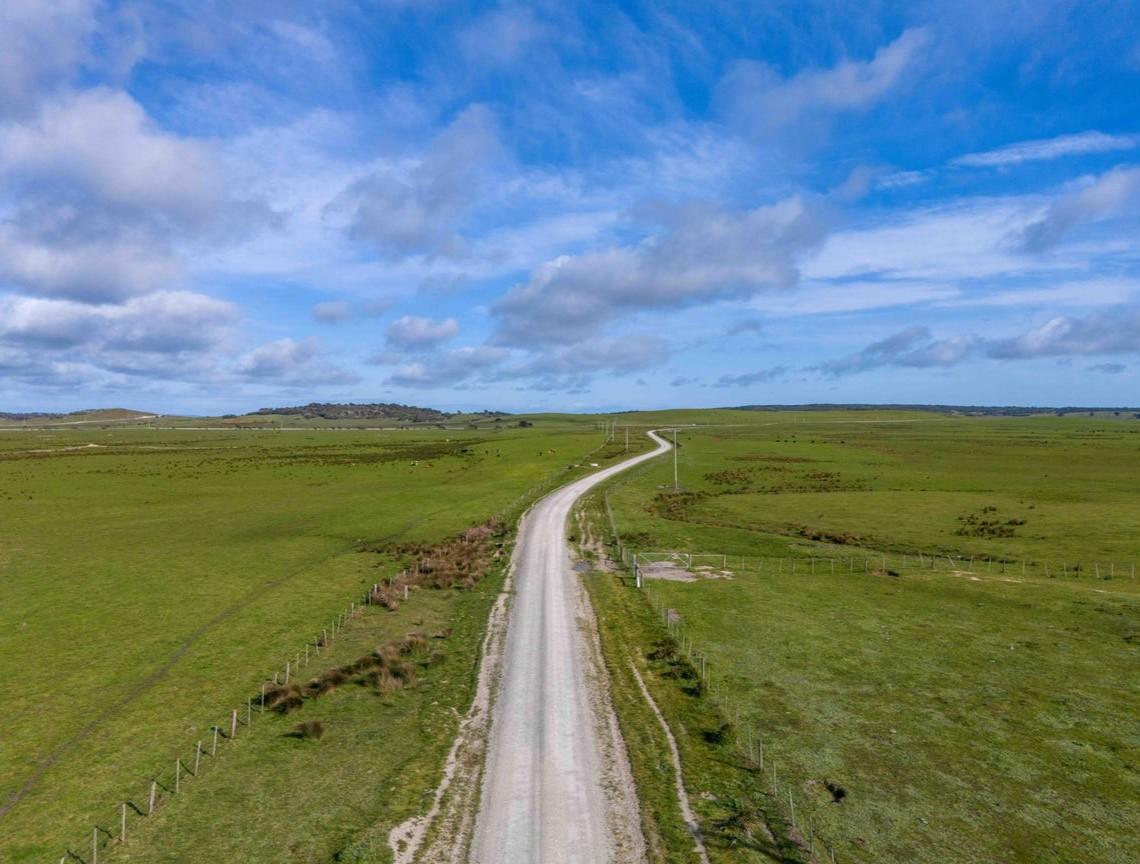
THE 22,000ha Rushy Lagoon, which currently supports several dairies, runs a commercial beef cattle herd and a sheep enterprise, is being sold by the estate of the late Allan Pye.
A proposed $100 million plus deal to sell to British forestry and investment firm Gresham House is currently awaiting Foreign Investment Review Board approval after being granted three extensions.
The Rushy Lagoon Land Use North-East Community Impact Survey attracted 328 respondents in reaction to the controversial sell-off.
TasFarmers CEO Nathan Calman said there is a broad community view that the proposal would have a significant impact on the local area.
“There are deep concerns about taxpayer funds being used to support a foreign-owned entity to convert prime agricultural land into plantation forestry,” Mr Calman said.
“We’ve engaged with local, state and federal politicians, sought meetings with the FIRB, consulted regional real estate experts, and spoken with potential buyers.
“Several federal parliamentarians are this week seeking to engage directly with farmers and the community via virtual meetings to examine the proposal in greater detail.”
Mr Calman said TasFarmers undertook the survey to provide evidence and substance to its advocacy efforts and will present its findings to the federal delegates.
“We ran a seven-day survey and received 329 responses, which has reinforced our view that there is no social licence for the sale of Rushy, and land-use change,” Mr Calman said.
“The feedback was significant and shows overwhelming opposition to the subsidised sale and conversion of the property. People in the region reject what they see as a government-backed distortion of the market that could shift productive land away from food production, livestock, jobs and regional economic activity.
“The mandate is clear. More than 99 per cent of respondents oppose a government-subsidised sale to a foreign-owned corporation.
“Nearly 98 per cent oppose public funds being used to support the purchase or conversion of productive agricultural land into plantation forestry.”
“The message from respondents is clear,” he said.
“People are concerned about productive agricultural land being removed from food and fibre production, and they want greater transparency around the role of public funding in the transaction,” Mr Calman said.
The survey also found more than 82 per cent of respondents wanted the property to remain in dairy and grazing production, while 81 per cent believed conversion to plantation forestry would have a negative impact on local communities, employment, businesses and services.”


Add new comment