
Worries that rainbow lorikeets could have major impact on crops
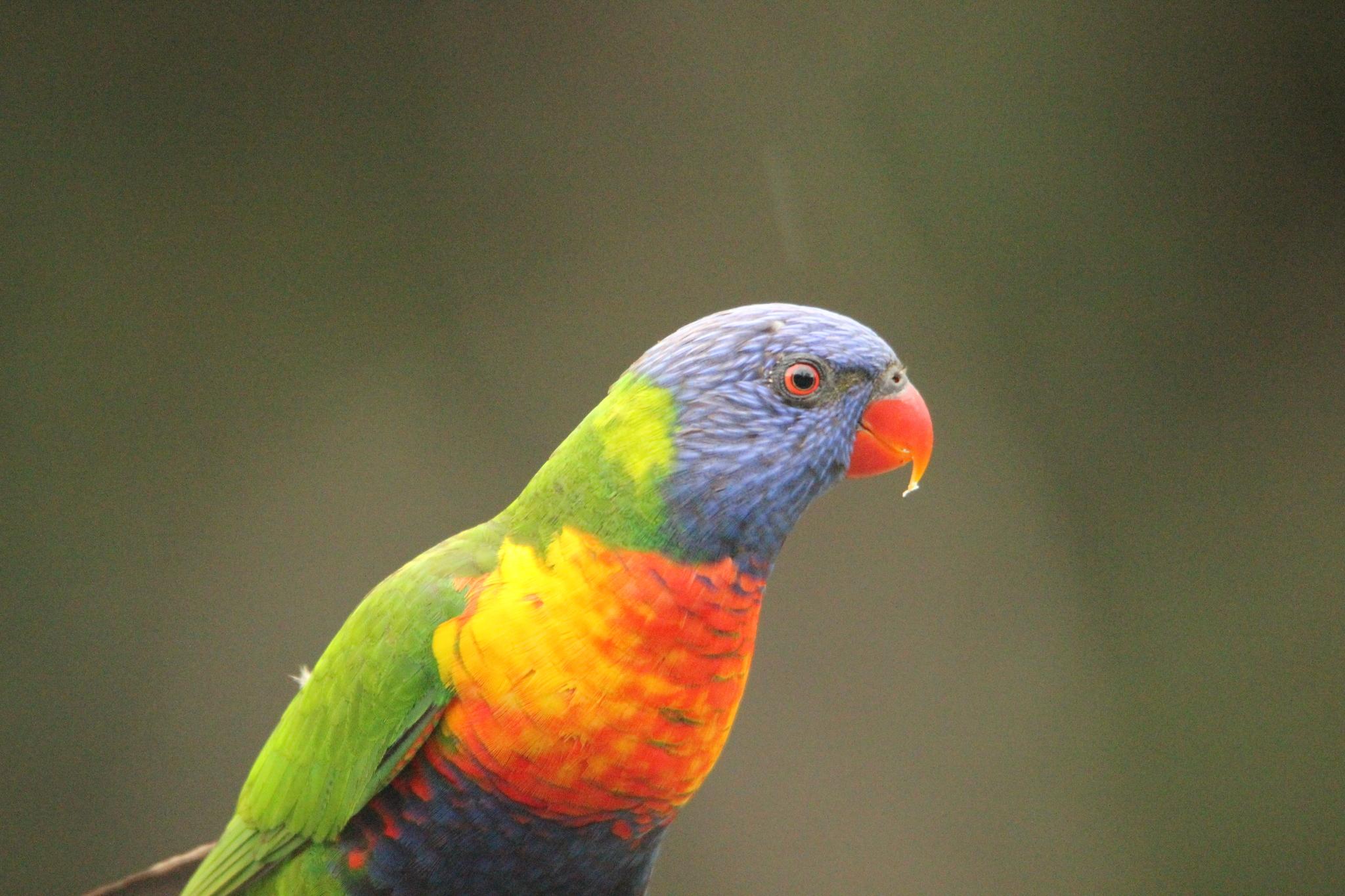
Rainbow lorikeet numbers are building fast and could eventually have a major impact on crops if nothing is done to stop the trend, according to a group which is monitoring their numbers.
Hundreds of rainbow lorikeets have been trapped by Rainbow Lorikeet Management Group Tasmania members so far this year and they’re desperate for more resources to build traps, catch birds and monitor the invasive species before numbers are out of hand.
Taking over responsibility for trapping rainbow lorikeets from Biosecurity Tasmania about six years ago, the Landcare Tasmania sub-group is passionate about protecting native species such as rosellas, honey eaters, musk lorikeets and the critically endangered swift parrots, which are being challenged for food, nesting and roosting resources.
It is concerned inaction could see a repeat of what happened in Western Australia, where just 10 released birds bred up to more than 40,000 and huge flocks of more than 1000 birds regularly swoop in and decimate crops overnight.
Group convenor/coordinator Lalani Hyatt last year won the Tasmanian Community Biosecurity Award, having been recognised for her commitment to managing and eradicating invasive rainbow lorikeets in Tasmania.
Despite her efforts, the urgency is not being recognised by the state government, according to Group members.
Volunteer Jason Graham, who has a background in zoology, said there were six active trappers in the south covering the hot spots between Hobart and Sorell, and only a couple to deal with the increasing sightings in North West Tasmania.
“The issue we’re having is building enough traps to get them up to the north-west plus we need more volunteers in that area,” he said.
He said one farmer killed 400 rainbow lorikeets in a season in the North West and he expects it to become a bigger problem before it gets better.
Spreyton apple orchard owner Peter Broun estimates he has lost the equivalent of about 10 crates of apples, valued at up to $4000, to the colourful birds so far this season.
“They’re coming in and eating the tops of the trees and the fruit, and knocking a lot of it to the ground,” Mr Broun said.
“They seem to have taken to a patch of royal gala apples on top of a hill and while it’s been a long time since we’ve used scare guns, we’re having to consider doing that again.”
Rainbow lorikeets, while beautifully coloured, are not a protected species and don’t need a permit to cull, like galahs or kookaburras.
Most likely the result of aviary escapes, it’s legal to trap or shoot rainbow lorikeets, however, they should not be mistaken for eastern or green rosellas or native musk lorikeets.
“I think people see the rainbow lorikeets and because they’re so pretty they think they’ll get into trouble if they kill them,” Mr Graham said.
“We think the first reports of them in the wild in Tasmania came in the late 1990s around Kingston and that’s where they’ve been spreading from ever since.
“The flock in that area, once numbering around 200, is estimated to be around 5000 or possibly higher – it’s alarming to see and that’s just the area we know about.
“If they make it to Bruny Island, a safe spot for the swift parrot, it could be the last nail in their coffin.”
Sightings have also been recorded at Swansea, North Wynyard, Ulverstone, Penguin, Devonport and Launceston.
Unlike budgies and cockatiels which escape from aviaries and don’t last long on the outside, the lorikeets are remarkably adaptable.
“For anyone with fruit orchards, berry farms or any soft fruit that isn’t fully netted, I would be concerned,” Mr Graham said.
“But with the right approach they could be eradicated within five years. We’ve alerted the Primary Industries Minister but haven’t had much of a response.
“We’ve also talked to (Greens MP) Tabitha Badger about ownership laws – because people can still keep them as pets.”
This week’s Aussie Bird Count results revealed that from five million birds counted around the country, the rainbow lorikeet was second only to the Australian magpie in numbers.
To help monitor and control rainbow lorikeets, people are urged to record sightings at citizen science websites such as iNaturalist, eBird or Birdata which are used by the Group and Biosecurity Tasmania to monitor their distribution; contact MPs to urge them to take immediate action on rainbow lorikeets and if spotted consider having the RLMG set up a feed table to eventually humanely trap and remove them from the wild.




Add new comment
Comments
Government responsibility
Netting and scare guns will not work with this species. Tasmania’s agricultural sector stands to be devastated. Not just orchards and vineyards but grain and seed crops will be devastated if The government doesn’t take this species seriously NOW.