
Dry 2025 for Tasmania, BOM data reveals
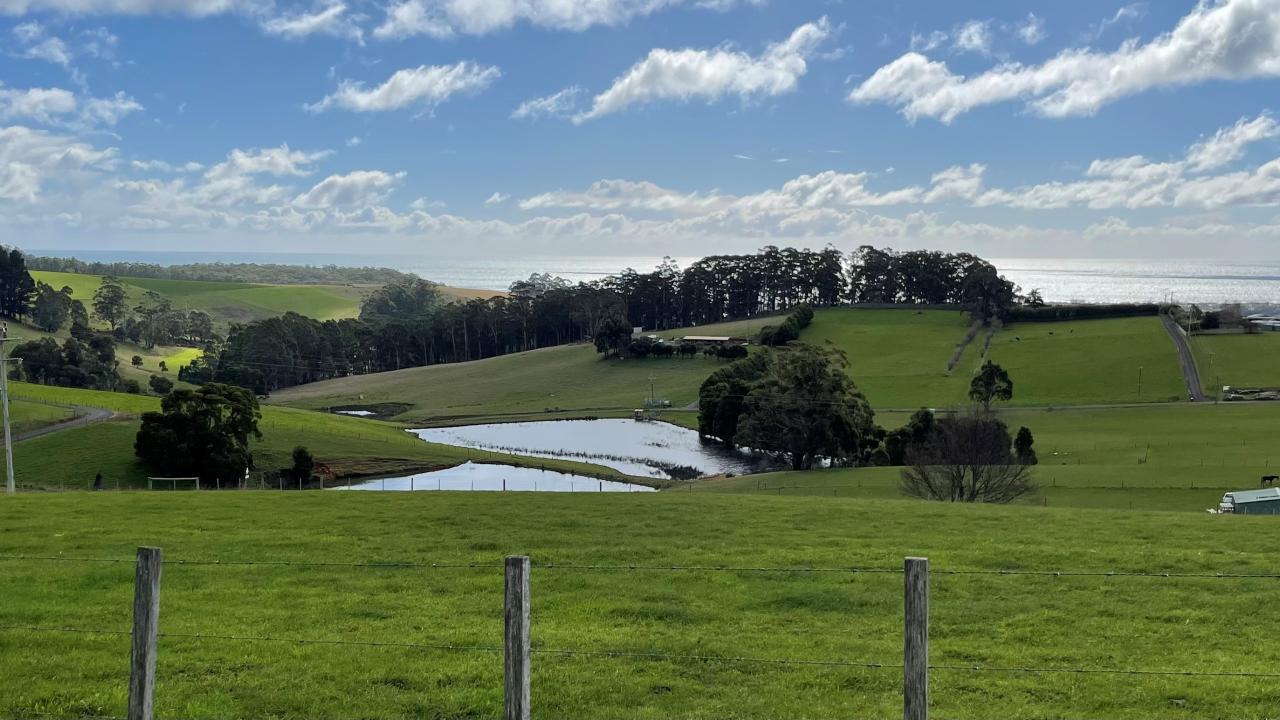
Rainfall for most of Tasmania was below average for 2025 in what TasFarmers President Ian Sauer said was a challenging year for the state’s agricultural sector weather-wise.
The Bureau of Meteorology has released its drought statement for last year.
It found that most of Tasmania’s yearly rainfall for 2025 was in the lowest 10 per cent since 1900.
Other locations that recorded rainfall in the lowest 10 per cent were Victoria, South Australia, southern and inland areas of New South Wales, and large parts of Western Australia.
December also saw below-average rainfall for north-east Tasmania.
The long-range outlook for the first three months indicates that rainfall in western Tasmania is likely to be below average.
Mr Sauer said the winter was arid and warmer than usual, but that did provide some positives for farmers.
“Having a drier winter meant farmers could plough paddocks, and it meant that sheep and cattle weren’t walking around in water,” he said.
“However, those who were relying on rain to get crops found it really difficult.
“And then it was a really cold spring and everyone was waiting for grass to grow.”
Mr Sauer said that the eventual warmer weather towards the end of 2025 was welcomed.
“Even though they were about three weeks late with cutting fodder, whether that be silage or hay, everyone’s cutting a good amount of fodder for this year.”
Mr Sauer was hoping for more favourable weather for farmers in 2026.
“Wouldn’t it be fantastic to have an autumn break at the end of March and in April?”
Over the last few years, Mr Sauer said there had been plenty of “false breaks” in the weather.
“You’ll get a rain, and things start to germinate and get going, and then you’ll go three weeks without rain and everything dies.
“We want a March and April that is solid, which has follow-up rain.”
Mr Sauer said that consistent rain warms the soil and causes everything to grow quickly.
“For those grazing, it gives a good buffer of feed for the wintertime.
“But it also allows farmers to get a good, solid break to get the paddocks prepared, ready for crops or whatever they may be.”
Consistent rainfalls also allow farmers to save money.
“That means you don’t have to irrigate as much,” Mr Sauer said.
“Last year, there were people in different parts of the state irrigating crops right up until the state of winter, which is an incredible expense.
“It takes all the cream off the pie when those crops are sold.”



Add new comment