
Farmers unhappy with milk prices from dairy processors
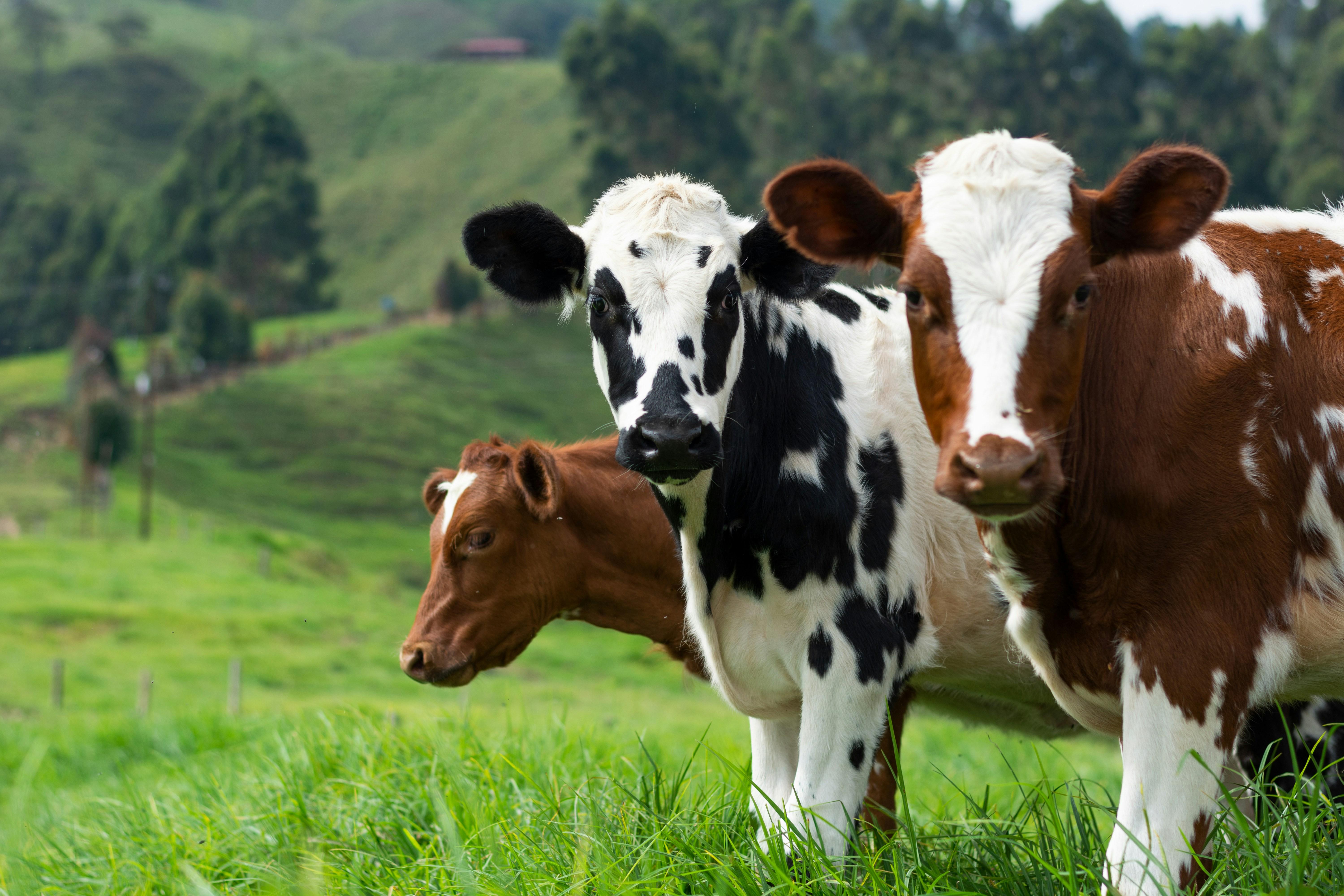
Tasmanian dairy farmers are disappointed at the opening farmgate milk prices being offered by processors for 2026/27.
TasFarmers Dairy Council Chair Geoff Cox said that the major processors had dropped the price they were offering for milk to the state’s farmers by around five per cent.
“It’s pretty disappointing because our costs have gone up significantly in the last year,” Mr Cox said.
“Some costs have gone up over 100 per cent.
“I’m hopeful that the processors will revise the price pretty soon.”
Mr Cox said predictions of an El Niño weather pattern were worrying Tasmanian farmers.
“It usually points to a dry summer.
“If that happens, on top of a reduced milk price and high input costs, it’ll be a pretty tough year.”
Australia’s peak dairy farming body says the opening farmgate milk prices being offered by processors for the 2026/27 are “a steady start”.
On June 1, dairy processors put forward their opening prices to farmers.
Lactalis’ weighted average offer was $9.30 per kilogram of milk solids, Bega’s average offer was $9.04 per kgMS, and Saputo’s baseline range was $8.80 to $8.90.
Offers from other processors include $8.90 to $9.40 per kgMS from Burra Foods and Coles giving $10.38 per kgMS to its direct contract suppliers.
Australian Dairy Farmers (ADF) President Ben Bennett said the prices were a welcome starting point.
“As an opening price, this is a conservative floor, given the environment we’re operating in,” Mr Bennett said.
“It gives farmers something to work with as we head into what is traditionally a very busy time negotiating and looking for competitive uplift before the end of the month.”
Mr Bennett said it was not just dairy farmers who were under pressure.
“Processors are hurting too,” he said.
“We’re operating in a tight global environment, and everyone in the supply chain needs to get a return.
“There’s no fat in the system at the moment.”
Farmers will now begin negotiations with their processors.
“We’ve got to make the best decisions for our businesses with what we’ve got in front of us,” Mr Bennett said.
“Farmers will sit down, look at their cost structures and make sensible calls about production, investment and staffing for the year ahead.”
Mr Bennett said persistent cost pressures could impact milk production.
“We know input costs remain high, and that will continue to influence production decisions on farm.
“That’s something the whole industry is watching closely.”
The ongoing conflict in the Middle East is contributing to volatility in key input costs such as fuel, fertiliser and freight.
“At the same time, international commodity markets and the Australian-US exchange rate are playing a significant role in underpinning farmgate pricing,” Mr Bennett said.
“Under those circumstances, we’re in a relatively sober position.”
With forecasts suggesting a strong El Niño could develop this year, Mr Bennett said seasonal conditions were also at the forefront of dairy farmers' minds.
“That creates a level of trepidation across many dairy regions as farmers look ahead to the middle of the season,” he said.
“There’s a lot of uncertainty, and not a lot of comfort in the outlook right now.”



Add new comment