
TasFarmers Matters - Agriculture leading the way
Two weeks on from Budget day, agriculture remains the standout investment.
The Budget included significant investment in agriculture while avoiding new taxes on farm businesses, positioning the sector as a key driver of Tasmania’s future economic growth.
Despite widespread concern about spending cuts and public sector reductions, the Budget contains sensible support for irrigation, workforce development, drought resilience, agricultural research and biosecurity.
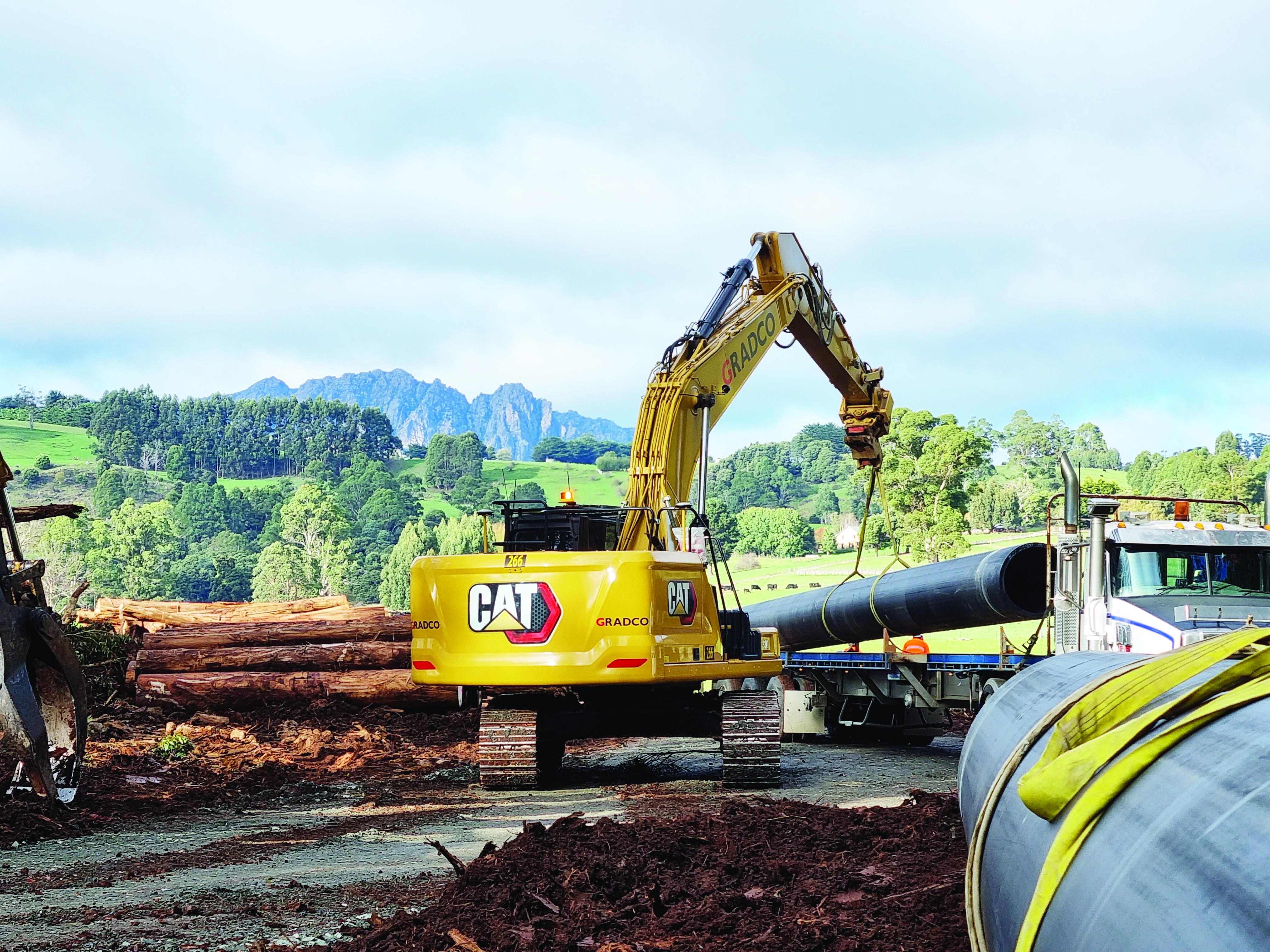
The centrepiece is more than $393 million for Tasmanian Irrigation’s Tranche 3 projects, reinforcing the government’s view that water infrastructure remains critical to expanding agricultural production and achieving Tasmania’s goal of a $10 billion farmgate sector by 2050.
Workforce development also featured strongly. TasFarmers will receive $450,000 over three years to deliver an Agricultural Careers Mentor Program, while Rural Financial Counselling and Rural Alive and Well continue to receive support.
The Budget includes further investment in agricultural research and development, drought resilience planning, on-farm biosecurity engagement, weed control and deer management, reflecting a focus on improving productivity while strengthening the sector’s resilience.
A notable point in Treasurer Eric Abetz’s speech was his acknowledgement of Tasmania’s workers’ compensation framework and the growing costs it imposes on businesses.
Premiums remain a major concern for farmers and other small businesses, making reform an important opportunity for the Government’s broader economic agenda, along with its commitment to TasInsure.
Importantly for farm businesses, the Budget introduces no new taxes.
However, producers will be watching closely as the Government undertakes a review of fees and charges, which could still increase costs for regional businesses and communities.
The Budget also highlights the difficult balancing act facing the government.
Planned reductions of around 1,700 public sector positions are intended to help restore the state’s finances, but maintaining essential services such as biosecurity, regional development and agricultural support will remain critical.
Questions also remain over the long-term financial impact of cost pressures surrounding the TT-Line replacement vessels and the Macquarie Point stadium project.
This feels more like a traditional Howard-Costello-era budget than the interventionist spending programs that have dominated recent years.
Its focus is on repairing the state’s finances, constraining public sector growth and backing industries capable of generating private-sector investment and export income.
For agriculture, the message is clear. At a time when the government is searching for savings across much of the public sector, it has identified farming as a priority industry for future investment and growth.




Add new comment