
Green light for Rushy Lagoon sale
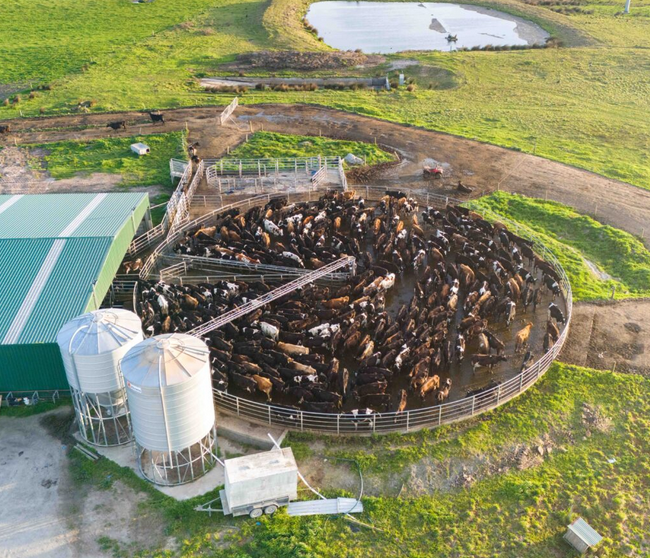
The sale of Rushy Lagoon, Tasmania's largest farming property, has officially been approved by Federal Treasurer Jim Chalmers.
The property is being sold to the Tasmanian Natural Asset Trust, which is managed by Gresham House, the UK's largest forestry asset manager.
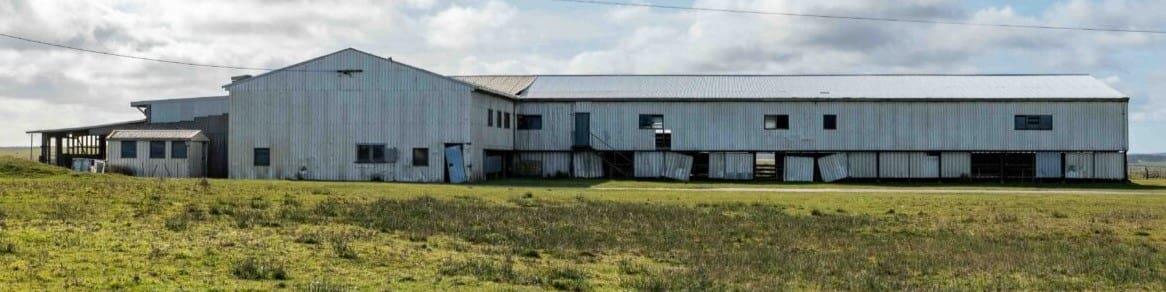
Located near Cape Portland on Tasmania's far north-eastern tip, the sprawling 22,000-hectare property has been operating as a massive dairy, beef, and cropping facility and is being sold by the estate of New Zealand's Pye family, which has owned it since 1996.
The transaction is believed to be valued at more than $100 million and controversially includes taxpayer-backed financing through involvement of the Clean Energy Finance Corporation (CEFC) which subsidises deals that generate carbon credits.
The UK-based buyer plans to convert the historic 22,000-hectare dairy and beef farm into a vast pine and timber plantation, tapping into Australia’s newly established Nature Repair Market, earning biodiversity credits alongside carbon offsets.
Mr Chalmers gave the deal the green light after it was vetted and recommended by the Foreign Investment Review Board (FIRB), declaring it in the national interest.
He justified the sign-off by stating that the project is expected to create more than 190 jobs and provide economic benefits to the region.
He said that while it was a difficult decision influenced by immense community pushback, he ultimately acted on the positive recommendation of the FIRB.
Dorset Council mayor Rhys Beattie, who is also an agronomist and farmer, said he is “really disappointed”, and is worried about what happens next.
“The Treasurer makes it sound like it’s a big thing to spruik overall job creation for locals - and there will be some jobs created during tree planting - but what about the following 25-year gap between that and harvest?” he said.
“Now that we’ve lost our crown jewel, I’m worried that more and more farms will be gobbled up in this sort of enterprise which only clogs up the nation’s food and fibre production.”
Mr Beattie was also critical of the lack of transparency in the lead-up to the sale around funding from the CEFC.
“We’ve been asking questions for the past 12 months and got nothing - they wouldn’t confirm or deny that the finance corporation was going to be involved when that scenario didn’t sit right with anyone.”
It is believed that three dairies that have been operating on Rushy Lagoon have been de-stocked, cattle sold interstate, and a tree nursery has already been established.
The number of calves taken out of the Tasmanian market is believed to equate to two sales not being required at Powranna and the snowball effect could be that finishers and abattoirs won’t have access to as many calves.
Liberal senator for Tasmania Richard Colback said that the approval of the sale of Rushy Lagoon is a disappointing decision that flies in the face of the concerns raised by local farmers, agricultural businesses and regional communities throughout the process.
“My concern has never been foreign investment in itself. My concern has been that the proposed purchaser was reportedly able to benefit from support associated with the Clean Energy Finance Corporation, creating market distortion that disadvantaged other potential buyers and undermined confidence in Tasmania's agricultural land market,’ he said.
“The government's handling of this matter has been equally concerning. Labor ignored an Order for the Production of Documents passed by the Senate seeking transparency around any involvement of the Clean Energy Finance Corporation and repeated delays pushed an announcement of the Foreign Investment Review Board outcome into the parliamentary winter recess.
“Rushy Lagoon is not an ordinary property. It is a 22,000-hectare irrigated beef and dairy enterprise that has been a cornerstone of agricultural production in North East Tasmania for decades. At a time when governments are talking about food security and strengthening domestic supply chains, approving the conversion of productive agricultural land away from food production sends entirely the wrong signal.”
Mr Colbeck called on Agriculture, Fisheries and Forestry minister Julie Collins to explain how the government supports food production, regional jobs and fair competition in agricultural markets.
TasFarmers president Nathan Cox said the decision was a betrayal of Tasmanian agriculture and a breaking of the social contract between government and the Australian people by greenlighting the use of taxpayer money against Australian farmers.
“This is a disgraceful outcome for Tasmania and for Australian food security,” Mr Cox said.
“Rushy Lagoon has fed Australian families for generations.
“Today the Federal Government has broken its covenant with the Australian people by agreeing to turn productive farmland into a monoculture pine plantation so a foreign investment fund can tick a carbon abatement box.
“Treasurer Jim Chalmers has allowed the use of taxpayer funds in this deal, and kept quiet on it for months, on a decision which has been delayed through FIRB no fewer than seven times, and then dropped it the moment Parliament rose for a six-week winter break. Tasmanians are entitled to ask what he didn’t want scrutinised.”
Rushy Lagoon, together with the neighbouring East Wyambi, spans almost 22,000 hectares between Gladstone and Musselroe Bay and has run dairy and beef cattle at a capacity of around 85,000 DSE, supported by 1170 hectares of developed irrigation and more than 12,500 megalitres of water entitlements.
Gresham House’s reported offer of more than $100 million sits well above TasFarmers’ own estimate of the property’s $70-80 million market value, a gap the organisation says points squarely to government-backed financing tilting the paddock in favour of a foreign buyer using everyday Australians ' money.
“We have real, unanswered questions about why funding was committed to this deal before the sale and why a foreign forestry fund could outbid every Australian farmer at the table,” Mr Cox said.
“The treasurer’s excuse relating to the classification of farmland holds no water, as highly productive dairies have operated on Rushy for many years; any good farmer knows that cannot happen on poor or second-rate land. These comments are a smoke screen for his poor decision-making.”
Mr Cox said TasFarmers would now demand the public release of the full FIRB assessment and financing arrangements behind the sale, and called on the Government to explain what safeguards, if any, were applied.



Add new comment
Comments
Rushy Lagoon.Tas, Aussie Farm Sold Out By ,Federal Labor Gov.
Disgraceful and Poor Dicision Making by Labour Federal Treasure Jim Charmers.
Absolutely questionable the Labour Federal Government giving the green light on the Sale of Rushy Lagoon Farm, Tasmania.