
Hemp seed growers could lose access to Bromoxynil
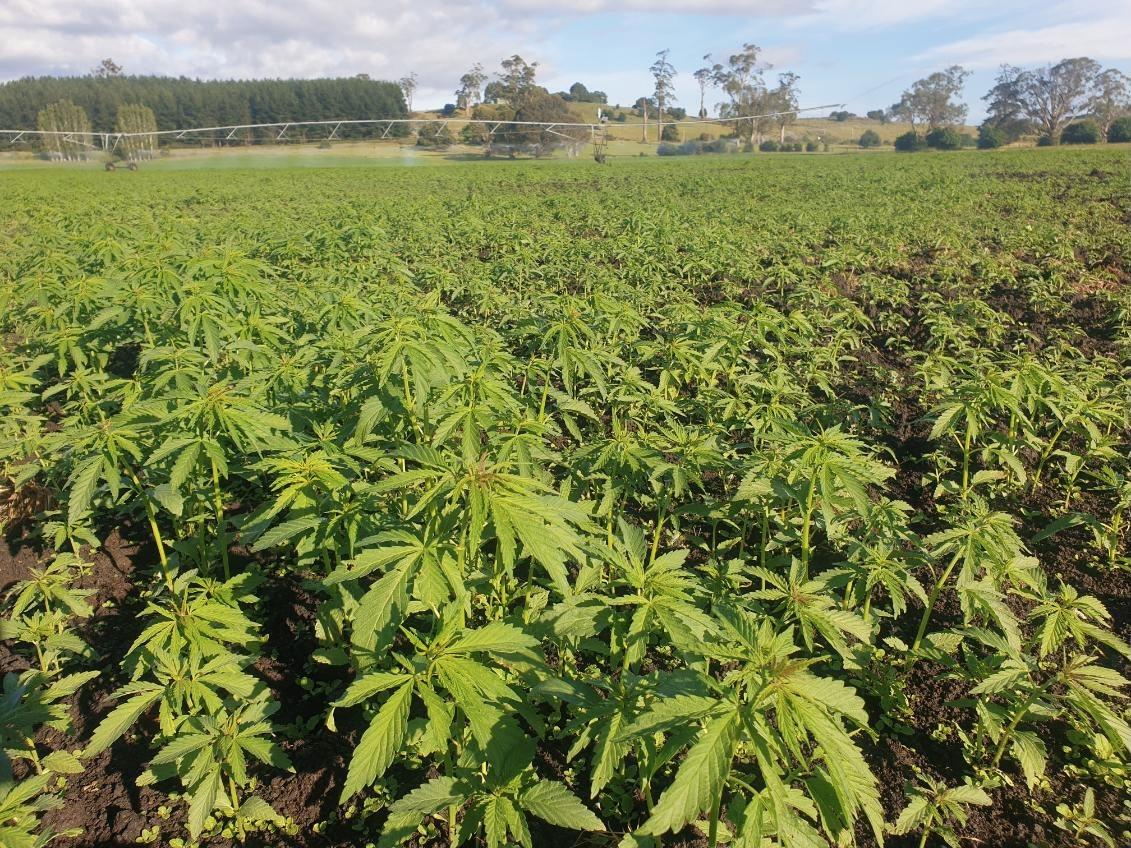
A Deloraine hemp seed grower is concerned that the state’s seed-for-food industry could be lost unless urgent action is taken to retain access to an essential weed control treatment.
Former Tasmanian Hemp Association president Tim Schmidt said the industry permit allowing use of the herbicide Bromoxynil is due to expire on June 30, 2027 and he’s putting the pressure on the THA to take action.
Mr Schmidt was expelled by the THA 18 months ago for “engaging in conduct detrimental to the interests of the THA” and has been at loggerheads with the peak body ever since.
“Bromoxynil has been used by Tasmanian hemp growers for 20 years and remains essential for controlling broadleaf weeds and producing a viable crop,” Mr Schmidt said.
“It is also widely used across major hemp-producing countries, including Canada.
“Unless the necessary local data trials are undertaken, the Australian Pesticides and Veterinary Medicines Authority permit will lapse and without access to Bromoxynil, growers will not plant hemp seed-for-food crops in Tasmania in 2027.”
Mr Schmidt said that Tasmania is the only state that doesn’t support the Australian Hemp Council, on which he served as the inaugural president for five years after it was formed in 2020.
“That leaves us without adequate representation at national level on issues including agricultural chemical permits, the development of hemp food, fibre, fodder, extracts, carbon opportunities and industry research.
To maintain the permit the APVMA requires follow-up trials every two years, costing around $100,000, to provide local data on residue levels from the chemical.
Two years ago that was the responsibility of permit holder Ecofibre Ltd but the financially strapped company let the work lapse and the AHC took over responsibility.
“It was actually due to expire in January but I managed to convince the Council to apply for an extension which they did successfully until next year,’ Mr Schmidt said.
“Agrifutures is continuing trial data collection in step with other research but its trial site locations in northern NSW is so geographically different to Tasmania that I fear we might not get the desired outcome.”
The Tasmanian Hemp Association this week confirmed that Permit 86924 is currently held by the AHC and AgAware Consulting Pty Ltd for Bromoxynil, Chlorantraniliprole, Diquat, Haloxyfop, Indoxacarb and Nucleopolyhedrovirus of Helicoverpa armigera.
THA president Andi Lucas said that the THA, although not a member of the AHC, has been communicating openly about the matter with the national body and other stakeholders on behalf of growers and corporate members for more than a year.
“In April we confirmed with the AHC and AgAware Consulting that they intended to renew the permit for Bromoxynil and Chlorantraniliprole,” Ms Lucas said.
“That same month, we were advised that two test sites have been nominated through the Agrifutures Australian Industrial Hemp Program of Research (AIHPR) to arrange the residual testing required for renewal, and no data from Tasmania was required.
“Results of those trials were expected around the end of August, and the AIHPR will provide guidance on whether Tasmania needs to provide additional data before our own growing season later in the year.”
The THA confirmed on Tuesday with AHC president Matt Lariba and an AgriFutures representative that the trial data for the NT and NSW trials is still being compiled, and at this stage, they do not believe Tasmania will be required to provide additional residual data.
“We will continue to monitor this situation and provide updates to our membership as further relevant information comes to light and when action is required,” Ms Lucas said.
Mr Schmidt, who is on the TasFarmers Seeds Committee and recently presented leading witness testimonies for the Federal Senate Inquiry into the hemp industry, said Tasmania produced some of the world’s highest-quality hemp seed and had developed a strong and growing seed-for-food industry.
“But if we can't grow hemp we’ll just have to grow something else,” he said.
Tasmania has grown from harvesting approximately 34ha of hemp three years ago to 300ha last season and the hemp seed food market has been growing by about 15 percent per annum over the past three years since excess seed stock was exhausted.
Hemp seed and hemp oil is used in muesli bars and other foods, beauty products and there is emerging research on its benefits as a horse feed supplement.
A desire to use the bi-product of hemp husk rather than burning has led to its use in horse feed and recent trials are showing encouraging results when used as mulch in orchards, market gardens and vineyards.
“It is fantastic to see Tasmania’s emerging hemp fibre industry receiving attention and support, but the fundamental challenges facing existing seed growers cannot be overlooked,” Mr Schmidt said.
“The Tasmanian Hemp Association needs to refocus its priorities on these immediate grower issues and help protect the agricultural foundation of Tasmania’s hemp industry.”



Add new comment