
Salmon Tasmania reapplies to use florfenicol again
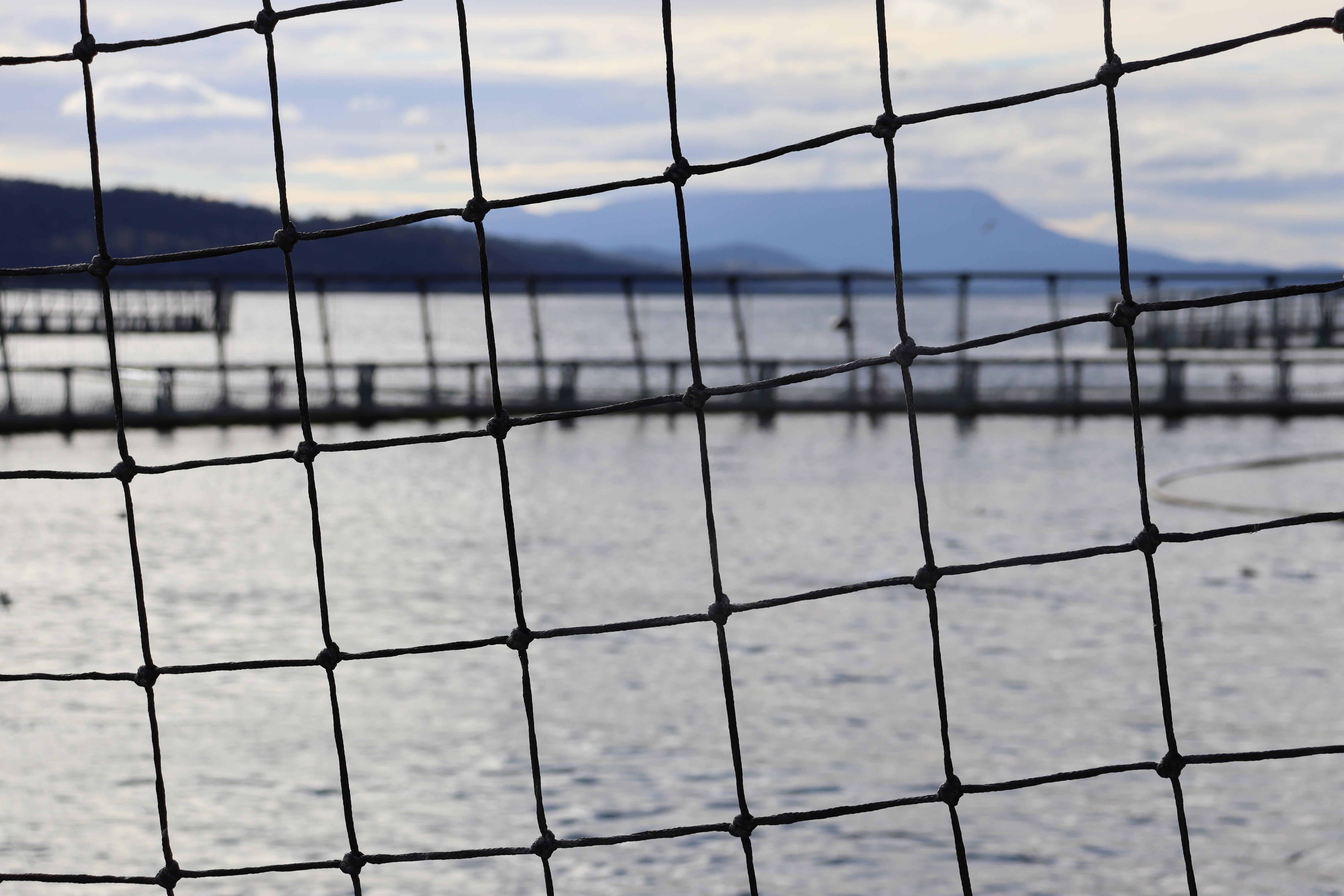
Salmon Tasmania is in the process of reapplying for a new permit to use florfenicol with the Australian Pesticides and Veterinary Medicines Authority (APVMA).
Aquaculture companies had been using the antibiotic over the summer in an effort to prevent mass salmon die-offs caused by the disease P. salmonis, which had previously plagued the salmon industry.
But in March the APVMA revoked the Tasmanian salmon industry’s permit to use florfenicol.
Salmon Tasmania CEO John Whittington said it wanted to use the antibiotic again to protect fish.
“Like any primary producer, salmon growers have a responsibility to ensure the welfare of the animals in their care,” Dr Whittington said.
“The use of medication is an important part of that responsibility and treatments are only administered under strict veterinary supervision.
“Florfenicol is an established veterinary medicine used in aquaculture and agriculture around the world - including Australia - and its use is supported by a substantial body of scientific evidence and environmental monitoring.”
Dr Whittington said florfenicol was an effective treatment for P. Salmonis and does not impact the environmental health of our waterways or the safety of fish caught from them.
“The Tasmanian salmon industry is committed to responsible antibiotic management and continues to invest in vaccines, selective breeding and other preventative health measures to improve fish health and reduce the need for treatments over time.
“These strategies are showing promising results. However, as in both veterinary and human medicine, antibiotics remain an important treatment option when required.
“It is important that farmers continue to have access to a range of scientifically validated tools to maintain fish health and uphold animal welfare standards.”
Recent monitoring by the Tasmanian Environmental Protection Authority had found the use of florfenicol posed a low risk to surrounding marine life.
Before the permit was revoked, the state’s salmon companies used 5.4 tonnes of florfenicol.
Bob brown Foundation Antarctic and Marine Campaigner Alistair Allan said that amounted to an environmental crime.
“This is an appalling revelation that shows just how out of control the toxic fish farms in Tasmania have become,” Mr Allan said.
“It is shocking that in factory fish farms in Norway, they used 500 kilograms of this antibiotic in 12 months while in the regulatory wasteland that is Tasmania, Premier Rockliff and the Liberal government happily allowed fish farms to dump over five tonnes in just months.
“It is a scandal in every sense of the word."
Mr Allan said the predicted El Niño for next summer is likely to cause even bigger mass mortalities than the salmon industry has previously seen.
“This toxic industry has shown that they cannot deal with warming waters, factory-farm conditions and disease.
“Now, they are dumping tonnes of antibiotics in a last-ditch effort and, even then, 1.5 million fish died.
“Fish farms must get out of Tasmania's waters.”




Add new comment
Comments
Florenicol and multi drug antibiotic resistance
The risk to humans health of florfenicol is not direct toxicity, it is the established link to the development of resistance not only to florfenicol, not used in humans, but to many other antibiotic classes that we rely on in humans health - or we used to. Once these genetic packages are shared around, as already happens now where florfenicol is widely used, to microbes infecting humans, we will have infections that can’t be treated or eradicated and humans will die. There is no pipeline of replacement medication. And where else in Australia are we stupid enough to put antibiotics into open water? It’s a bit different treating a pig directly pouring tonnes of antibiotics into open water.
Permit process
What is not mentioned in this article is that the AVPMA changed the status of Tasmanian salmon from a minor food species to a major food species in 2025. This change means that much greater restrictions are applied to permit application process. It would be useful to know what type of permit is being applied for by industry, for example, is this application for full registration or a minor use permit once again.