
TasFarmers Matters - Input squeeze a clear warning
Farmers are used to volatility. Prices move, seasons twist and turn, input costs rise and contract prices fall.
But what is unfolding globally right now is not just another cycle; it is a warning.
As American author Mark Twain once said, “history doesn’t repeat, but it does rhyme”. And we’ve heard this song before, it’s just a pity we didn’t remember the lyrics…
The growing disruption across the Strait of Hormuz and the Red Sea is hitting two inputs that sit at the heart of every farming operation: diesel and fertiliser.
And unlike past spikes, this one is being driven by structural pressures in the global system.
It’s no secret Australia imports most of its diesel.
It comes to us via the Asian refineries in Singapore, South Korea and Malaysia that rely heavily on crude oil from the Middle East.
When that flow is threatened, as it is now, the effect is not just an immediate shortage, it is a tightening of supply, higher prices and a system with less buffer.
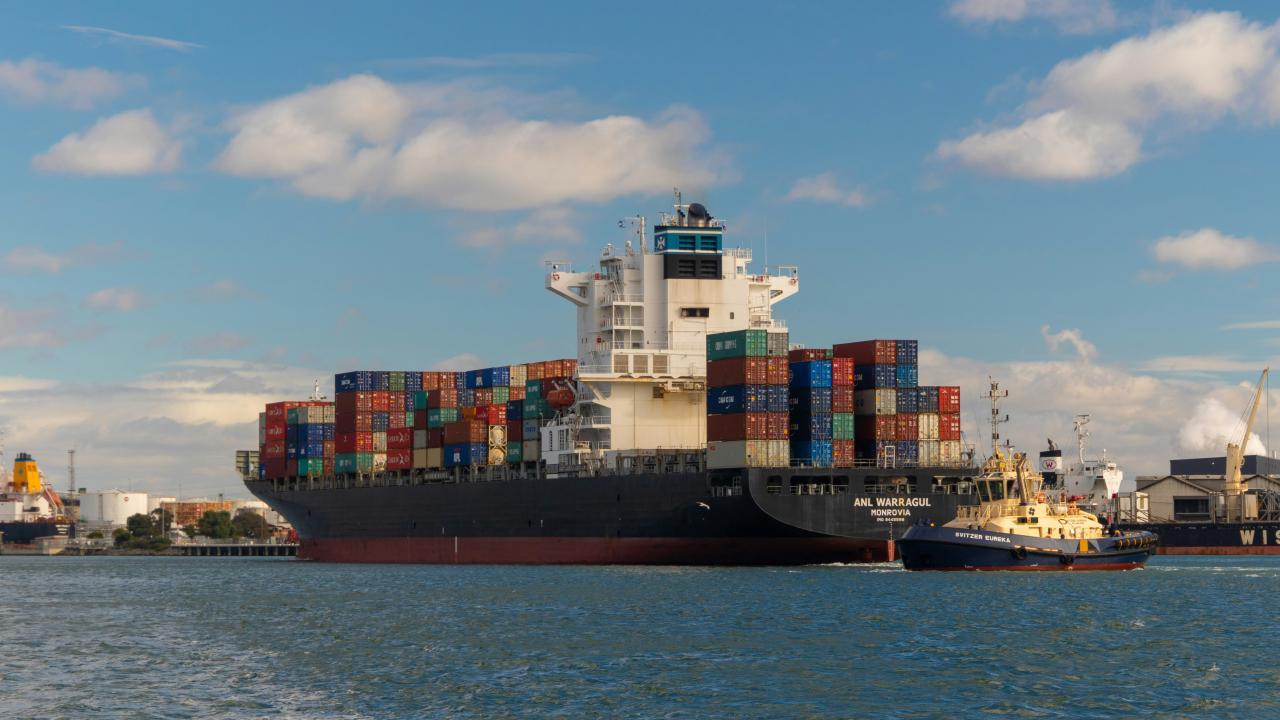
At the same time, shipping routes are being pushed around Africa, adding weeks to delivery times and reducing tanker availability.
That alone is enough to keep upward pressure on diesel prices.
As we all know, for farmers, diesel is not optional. It powers everything: tractors, pumps, freight and harvesting.
When diesel rises, the cost of producing food rises.
The sad reality is that the price back to the farmer doesn’t rise.
But the availability and continuity of supply of food to everyday Australians is compromised, all because of a shortage of diesel.
Fertiliser is the second pressure point, and it is just as exposed.
Many parts of Tasmania haven’t had access to urea for several weeks.
Nitrogen fertiliser is tied directly to gas markets, many of which intersect with the same unstable regions. When energy prices rise, fertiliser follows.
When shipping is disrupted, supply becomes less certain. What makes this different is the compounding effect.
Higher diesel prices increase the cost of making and transporting fertiliser.
Higher fertiliser costs, if you can even get it, forces tough decisions on application rates.
That, in turn, risks lower yields and tighter margins.
At the same time, higher international sea-freight costs push up the price of imported food.
That should, in theory, support domestic producers.
But only if input costs don’t rise faster than returns.
This is where the real concern sits.
Australian agriculture is efficient, but it is also heavily reliant on inputs we do not control.
Diesel and fertiliser are not just line items in a budget; they are strategic dependencies.
If this global instability caused by the conflict in the Middle East continues, these pressures will not unwind quickly.
That has implications not just for farm businesses, but for how we think about food production in this country.
Reliable, domestic production starts to look more valuable in a world where inputs are volatile, and supply chains are stretched.
But that value needs to be recognised in markets, in contracts, and in government policy.
For now, farmers will do what they always do: adapt, manage risk and get on with the job and hope to keep the banks from their doorstep.
But it would be a mistake to assume this is temporary.
This is a signal.
And it is one the industry and government cannot afford to ignore.
Australia was once self-sufficient in nearly everything from fuel and fertiliser to cars and other manufactured goods.
But over the past three decades, we’ve let that capacity go in the interests of being a global trading partner.
In good times, that’s probably good.
But times are now tough, and we are extremely exposed and set to become even more so.
That should concern all Tasmanians.



Add new comment