
Tassie caulis ahead of vegie game
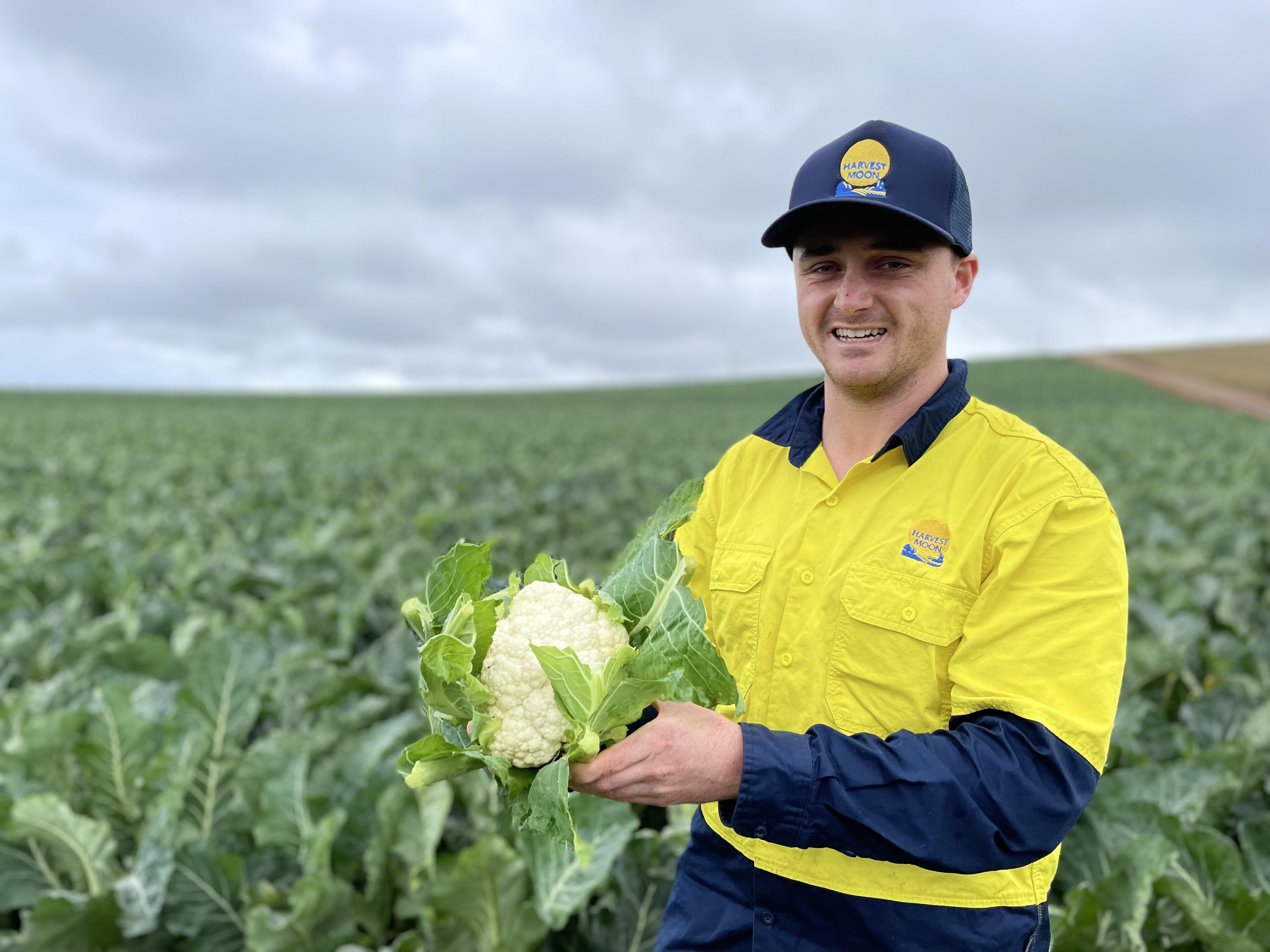
TASMANIAN cauliflowers are unrivalled for quality and consistency and the state’s year-round crop continues to be a significant player in the country’s vegetable production.
While summer is peak production time and the harvest commands the best prices while interstate growing regions struggle in the heat, there’s still plenty of growing happening in the North-West cauli fields over winter.
Harvest Moon cauliflower field officer Bede Archer makes sure everything stays on track to supply Woolworths supermarkets and a more modest domestic market demand.
About a million heads of cauliflower are harvested each year by the company, and while the vegetable sits behind the main crops of onions, broccoli and carrots in overall volume, it’s an important and steady source of income.
“It’s a labour-intensive crop - we rely on Pacific Islanders to harvest by hand and on any given day there could be three crews of nine, including the driver, out in the fields,” Bede said.
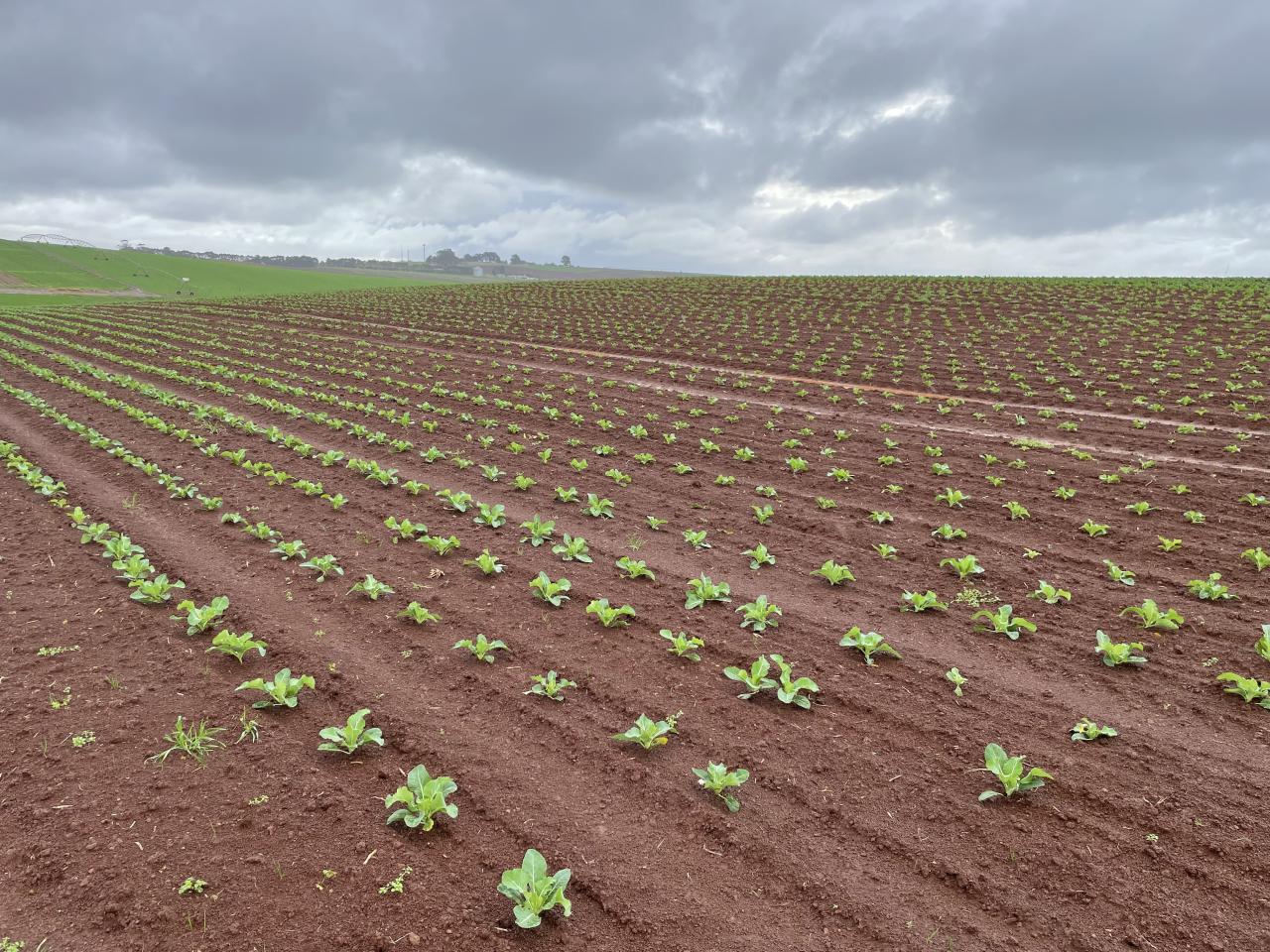
“The seedlings are grown at Hills Nursery, just up the road, and planted out about every week.
“On a good day we are harvesting about 50-60 pallets of cauliflowers, with Woolworths getting the first cut because they like them a bit smaller, and then the market vegetables are harvested.”
The cauliflowers are all grown on Harvest Moon land, except for a couple of lease growers, within 40km of the head office at Forth, near Devonport.
On Tuesday and Wednesday this week the pickers were harvesting the latest crop, loading the cauliflowers onto a new tractor aide which consists of cups that convey each head into a sorter which goes directly into crates.
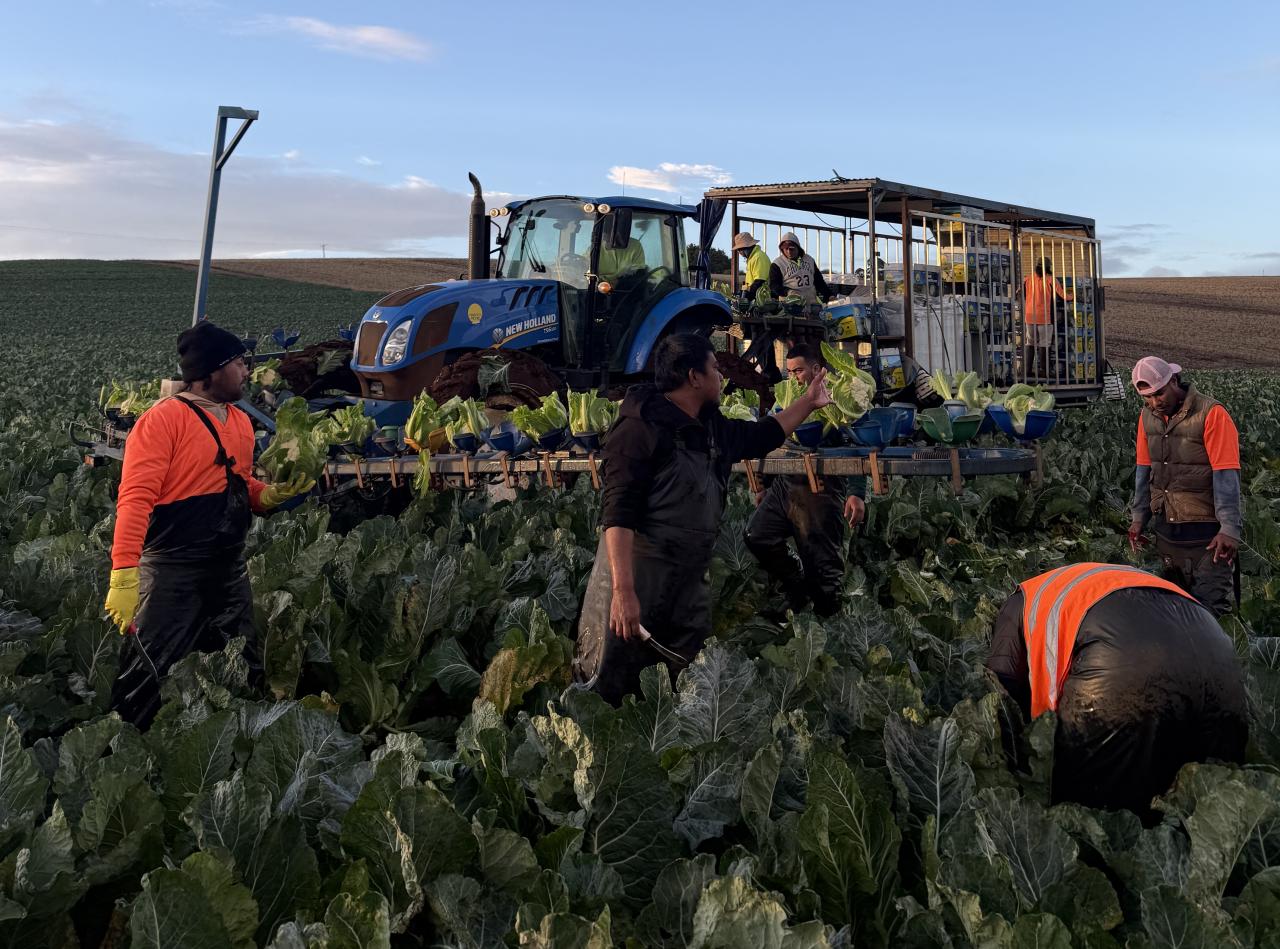
“A few years ago we were harvesting into half-tonne bins and the product was sorted and packed in the packing shed into crates and cartons,” Bede said.
The main variety of cauliflower grown by Harvest Moon is Whitex, a variety that is a “true white” and doesn’t yellow in the sun.
It’s also known for its even growth rate and size, meaning it can be harvested in two or three cuts rather than five or six.
The caulis are ready to harvest in 60 to 70 days after planting in summer, but that roughly doubles to around 150 days in winter.
A relatively small amount goes to Simplot for inclusion in frozen vegetable bags with its month-long supply period for the year finishing up mid-next week.
It’s the only vegetable besides broccoli growing year-round.
Growing cauliflowers is a dramatic change in career for Bede, who has worked on family dairy farms at Smithton and Longford for most of his working life, before studying business agriculture at Marcus Oldham College in Geelong.
“During that time I had the opportunity to go on a study tour of the salad bowl of the world in Salinas Valley, California.
“I saw lots of vegetable production and automation and it got me excited about the technology and advancements in horticulture.
“That’s what led me to leave dairying and join Harvest moon about a year-and-a-half ago - I get to see a variety of crops and learn from experts in the field.”
Research making the most of leaves
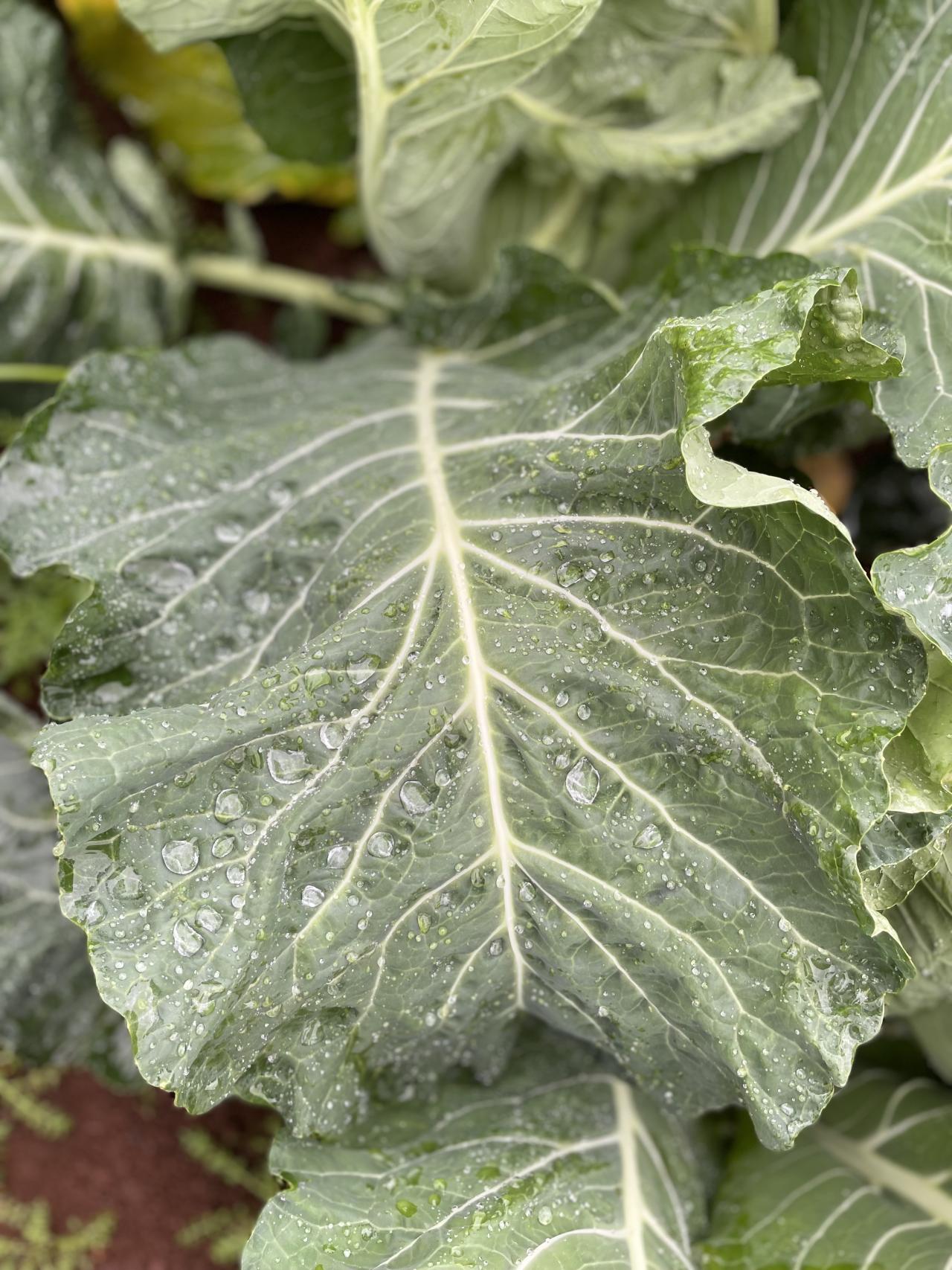
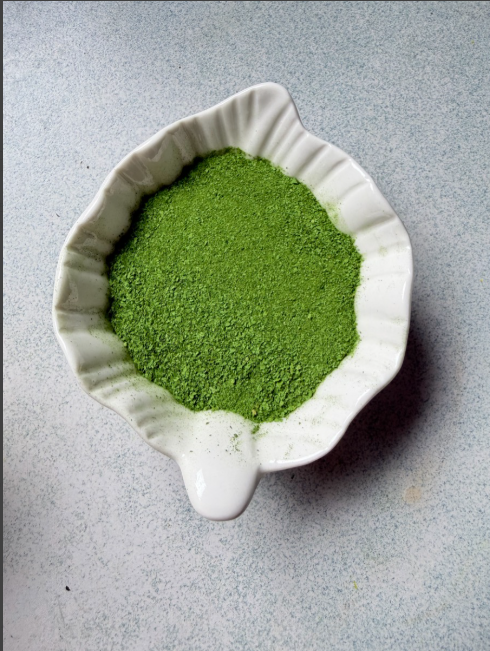
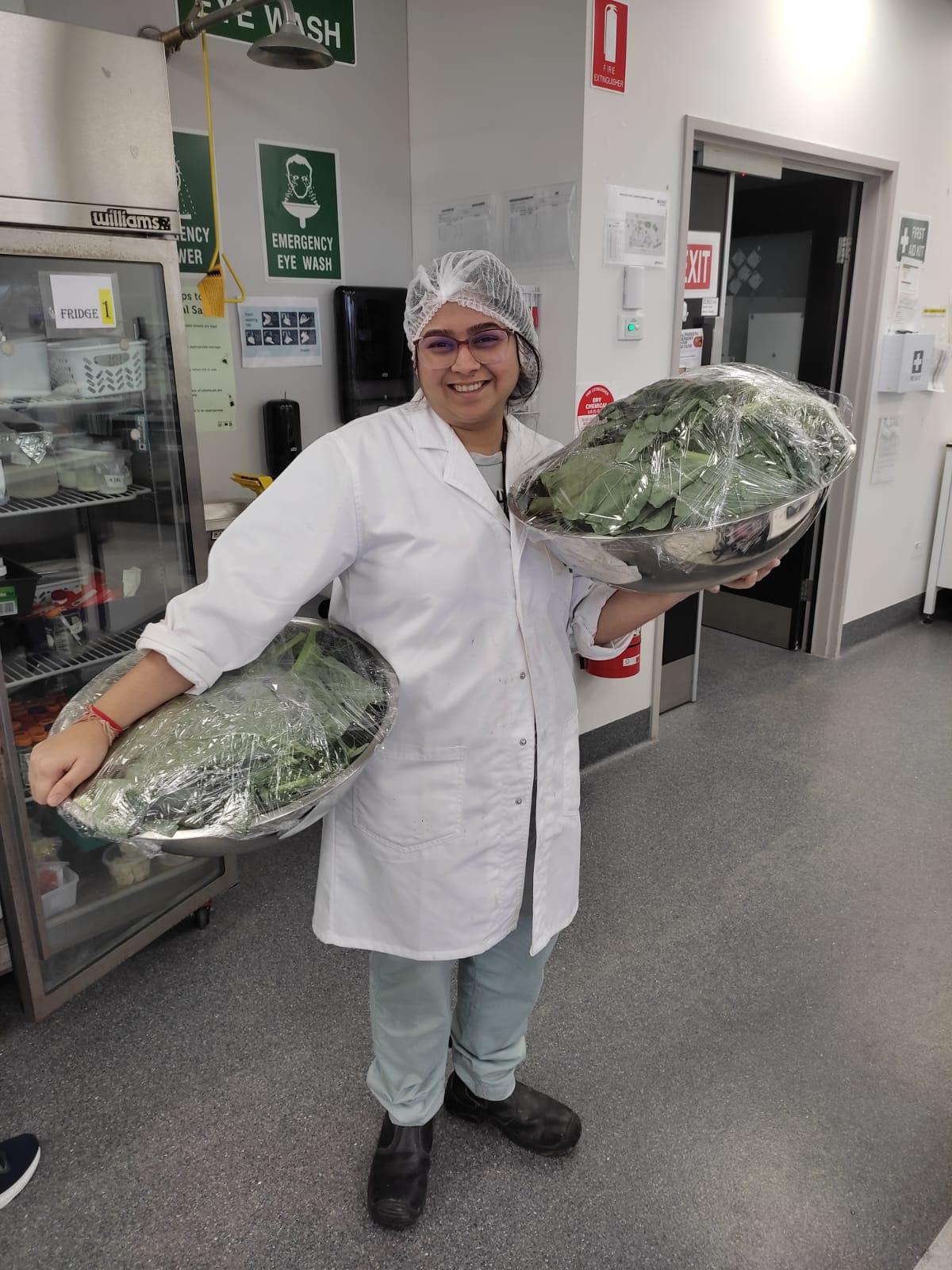
Harvest Moon cauliflower leaves have been used in RMIT research that uses ultrasound to extract leaf protein from discarded cauliflower leaves, identifying a potential new use for vegetable scraps.
The process could help food manufacturers turn vegetable waste into protein ingredients, reducing waste and adding value to existing crops.
The early-stage research found that high-power ultrasound increased dry matter yield and improved protein recovery from the leaves, while different processing settings changed the final concentrate’s particle size, colour, solubility and structure.
Cauliflower leaves are abundant but often discarded during processing, despite containing protein and dietary fibre. The resulting leaf protein concentrate could have future food and animal feed applications.
Lead researcher Professor Asgar Farahnaky from RMIT’s School of Science said the team used cauliflower leaves from a commercial farm in western Melbourne to test different ways of processing the waste to see how much protein they could recover.
They found that ultrasound improved protein recovery from the leaves.
“Ultrasound uses high-frequency sound waves to disrupt plant cell walls and help release protein from the leaves,” Mr Farahnaky said.
“There is growing interest in alternative protein sources, and using existing waste streams could be a practical way to meet that demand without requiring additional production.”
He said further work was needed to test the process at pilot scale, assess energy efficiency and evaluate sensory acceptability in food products.
Study lead author and RMIT PhD candidate Kinjal Furia said the research was about adding value to what was already in the system.
“If we can use food waste streams more effectively, we can reduce environmental impacts while responding to growing interest in alternative protein sources,” Mr Furia said.
The researchers acknowledge support from Harvest Moon, which supplied the cauliflower leaves, and The Leaf Protein Co., which provided in-kind contribution to the project.


Add new comment