
Sea Forest deals are breath of fresh air
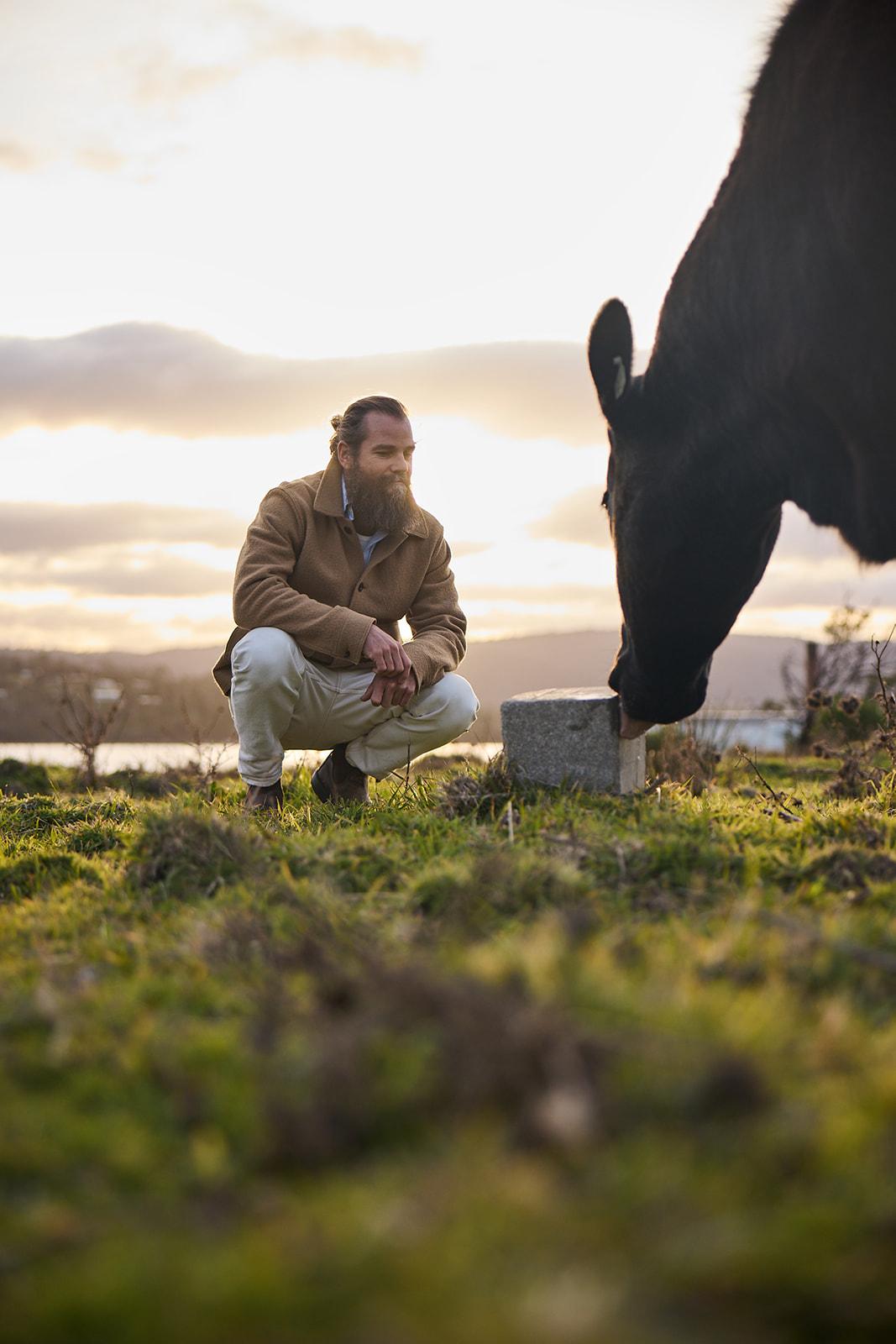
TRIABUNNA-based Sea Forest has signed a pair of deals to increase its commercial agreements involving its Asparagopsis-based SeaFeed supplement to cover about 131,000 grain-fed cattle.
The new contracts include a 12-month arrangement with Avondale Ag for about 5000 feedlot cattle and a three-year agreement with New Agriculture, initially involving 8000 cattle.
Sea Forest has been using Asparagopsis, a type of seaweed, to produce a livestock feed supplement that reduces methane emissions in cattle.
Sea Forest CEO, managing director and co-founder Sam Elsom said the achievement had been a long time in the works.
“The company was established in 2018, and it takes a long time to build the strong capabilities to support the scale of supply to industry, have the independent academic research that supports the safety and efficacy of the product and confidence to build trust, and confidence in the industry to secure these contracts.”
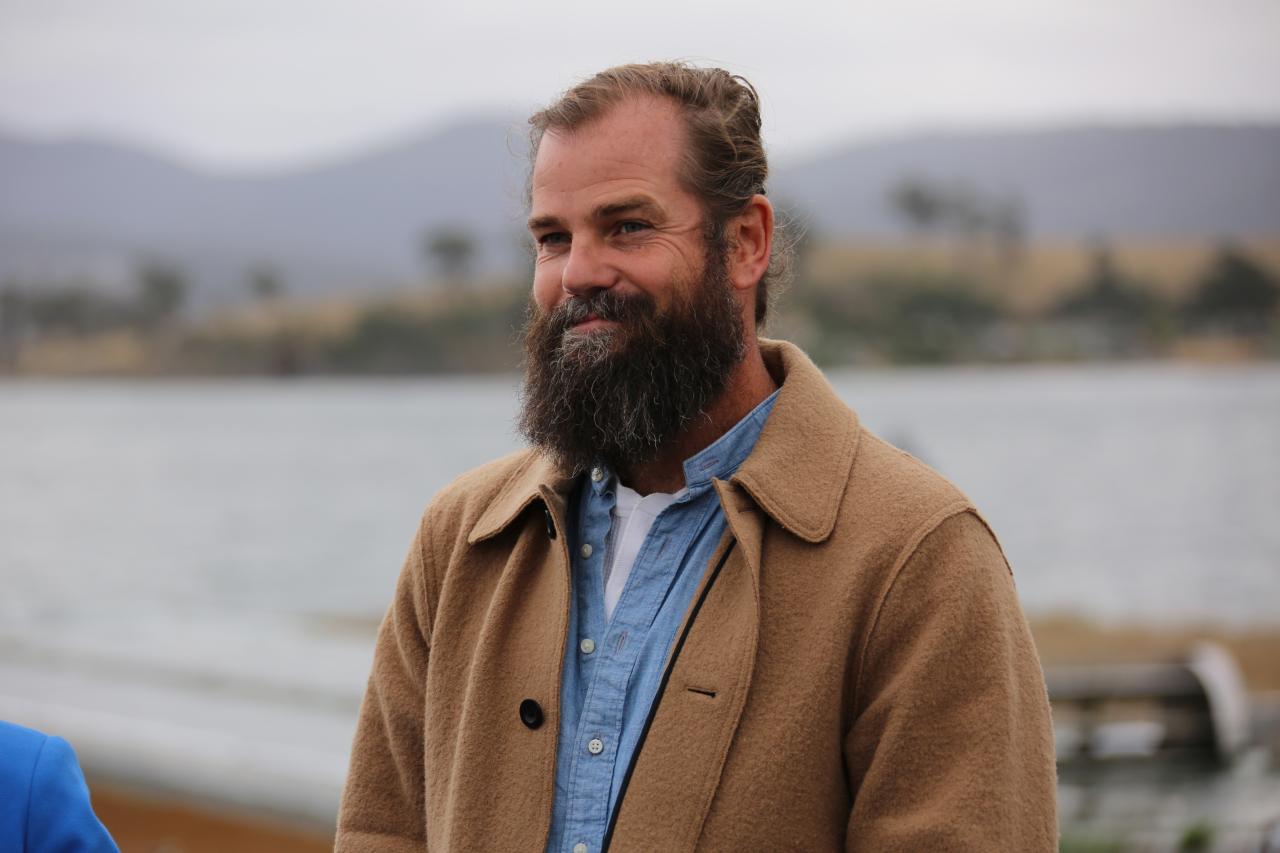
Mr Elsom said Sea Forest’s new distribution hub in Newcastle was in the commissioning phase.
“That’s about reducing logistic costs and being able to respond in a shorter time frame to our customer base.
“One of the really important things that we are aware of is the rations that are fed to the animals.
“They have to be consistent and, as an important ingredient in the mix, we’ve got to make sure that continuity of supplies is as reliable as any other input a farmer would rely on.”
Mr Elsom said Sea Forest’s value rested on a combination of emissions reduction, extra weight gain in cattle and carbon credits – with primary producers using the company’s product to earn tradeable carbon credits through a registered Verra grouped project.
“We are signatories to the global methane pledge, which is an aspiration to reduce 30 specific methane-specific emissions by 30 per cent by 2030.
“But obviously the product has to work at the farm gate, so that’s why we have different formats and mediums to deliver our product.
“It’s great to see that we are starting to make real commercial progress.”
How seaweed gets problem licked
CATTLE have an image problem. They turn grass humans cannot eat into meat and milk, but in doing so produce methane, a greenhouse gas that has become one of agriculture’s biggest climate challenges.
Now a red seaweed found in Australian waters is emerging as a promising way to reduce them.
Tasmanian company Sea Forest is commercialising an Asparagopsis-based feed supplement designed to cut methane produced in the rumen.
Trials have achieved reductions approaching 80 per cent, although results vary with diet, dose and how consistently it is consumed.
A cow’s rumen contains a vast microbial ecosystem that breaks down plant material humans and most single-stomached animals cannot digest.
Fermentation provides much of the animal’s energy, but also produces hydrogen and carbon dioxide. Microorganisms use these compounds to make methane, or CH4.
Most methane leaves through belching rather than flatulence.
Methane remains in the atmosphere for around 12 years on average, far less than carbon dioxide, but while there it is a powerful greenhouse gas.
Over 20 years, a tonne of methane has roughly 80 times the warming effect of a tonne of carbon dioxide.
Enter the seaweed. Asparagopsis contains naturally occurring compounds, particularly bromoform, that interfere with the final stage of methane production in the rumen.
Very little is required. Research commonly discusses inclusion rates of fractions of 1 per cent of an animal’s dry-matter intake, and some controlled trials have recorded methane reductions of 80 per cent or more.
Feedlots are relatively straightforward because a measured dose can be mixed into prepared rations. Dairy cows are also accessible because they return regularly to the dairy.
However, animals grazing extensive paddocks may receive little supplementary feed, making it difficult to ensure each consumes the correct amount often enough. Delivery through lick supplements, water systems or other pasture-based methods could therefore be crucial.
Farmers will ultimately ask what is in it for them. If methane reduction improves feed efficiency or weight gain enough to cover the supplement’s cost, adoption becomes easier, but productivity gains have not been consistent.
Other incentives could include premiums for lower-emissions beef, carbon credits or contracts with processors and retailers trying to cut supply-chain emissions.
Measuring methane across thousands of commercial cattle is impractical, so any credit system needs a credible calculation method.
Seaweed is not the only answer. Other approaches include synthetic feed additives such as 3-NOP, selective breeding, better pasture and feed quality and improved animal productivity.
But Asparagopsis has shown it can dramatically suppress methane with the right dose.
The possibility behind Tasmania’s seaweed industry is not that cattle will stop burping. It is that those burps may matter a great deal less.

Add new comment