
Battle for the bands - how music is helping rural communities

- Chrisi Lamb at the last Mathinna Country Music Jam last month.
COUNTRY pubs and halls are battling to keep live music ringing out across their rural communities.
Council red tape and costs associated with licencing, infrastructure and safety are some of the challenges organisers claim make putting on a show risky business – however, they also believe it’s worth the effort.
Committees and individuals say they fight to maintain regular events that bring farmers and the wider rural community together for a rare opportunity to socialise and let off steam and to keep their clubs and halls active.
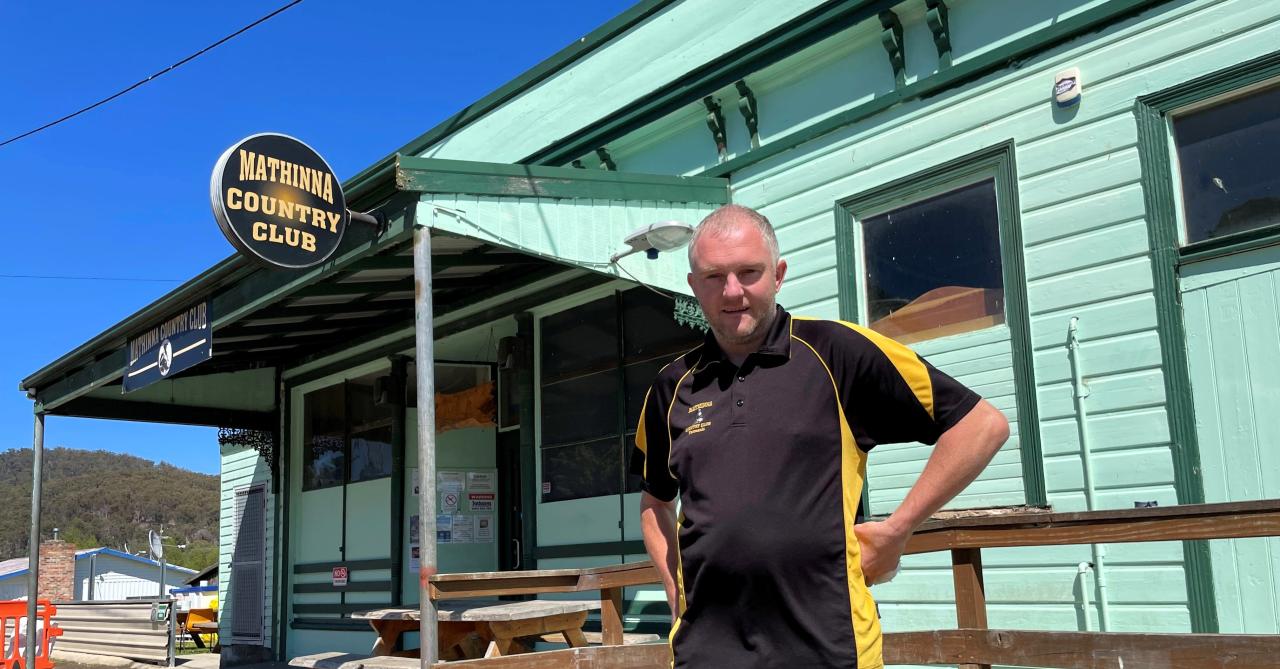
Mathinna Country Club publican of 12 years Adrian Parsons has pulled the pin on hosting one of the biggest annual country rock concerts in the state – the Mathinna Jam – but he’s hoping a new licensee will continue the tradition.
He said it’s all become “too hard” and he wishes he had received more local and state government support.
The leasehold on the tiny town’s local watering hole, petrol stop and social hub is up for sale.
Built about 1900, its old timber bar and pool room have seen plenty of beers sipped and all sorts of shenanigans.
It the only place to fuel up in 50 kilometres and aside from the post office, is the only business in the town of about 130 people.
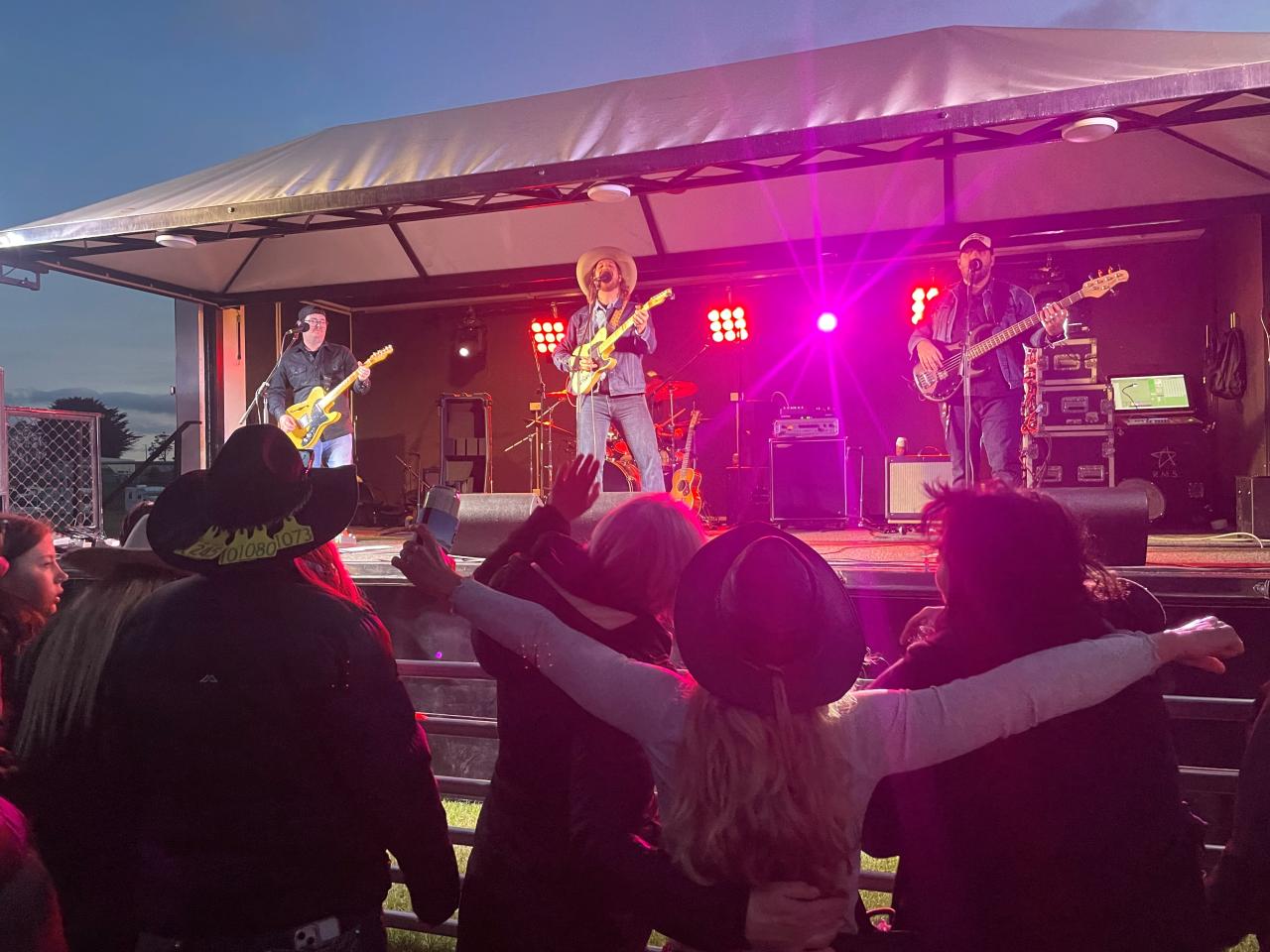
For more than 10 years Adrian has organised concerts in the main street in front of the much-loved establishment, attracting live music lovers from around the state and artists from across the country.
Local landowners come out of the hills and off the farms and party with their neighbours and the visitors camp on the recreations ground or the old school grounds and spend money on food and drinks that go towards maintaining the community-owned building.
Adrian said it’s hard to walk away, but it’s also hard work organising events.
“It costs about $30,000 to put on a concert, to pay band members, pay for permits, audio, toilets and other things,” he said.
“I get charged $500 just to put a road closure notice in the paper.”
Adrian held his first Mathinna Jam in 2017, debuting Casey Barnes who has since thanked him for giving him the exposure that launched a career that has taken him to Tamworth and Nashville.
“That first concert cost me $55,000, and I have never received one bit of money from the council, community grants, Arts Tasmania or anyone – I’ve spent more than a million dollars on the music industry in Tasmania and sometimes I lose money and sometimes I make a bit,” Adrian said.
“At the end of the day if I see 300 people enjoy a few beers and a laugh, I’m happy – it’s the spin off for the rural community that’s important.”
After becoming the licensee Adrian started a motorbike ride based at the Mathinna Country Club with 20 mates and by 2020 there were 680 dirt bikes turning up.
The community made $25,000 just catering the lunches.
“Money raised from other events have helped pay for the community bus and put gas barbecues at the oval – we even bought the local church from money made at a concert,” he said.
Country gigs are being repeated around the state by those who want to fill a void, and their popularity is growing.
Forth’s Bridge Hotel in the North West and the Longley International Hotel in the South both boast stunning locations, plenty of character and musical lineups of national and international renown.
Like many country venues they get around their remote locations by having plenty of camping opportunities nearby and the influx of visitors boosts the local economy, helping keep the doors open for those who live in the district.
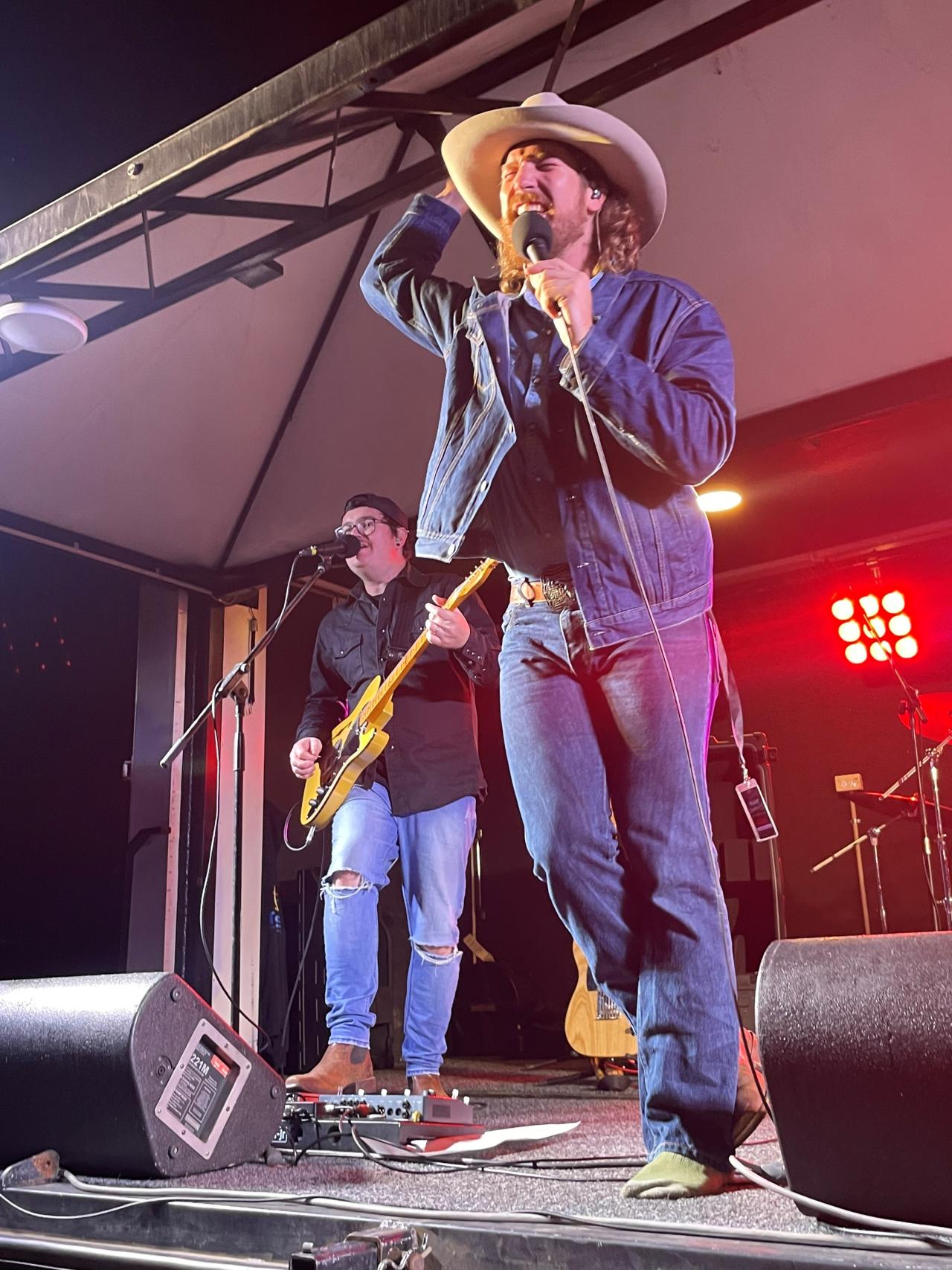
Music lovers have been able to catch Troy Casser-Daly at Gowrie Park, Jamie Davies at Legerwood Hall, the Wolfe Brothers at their local, the Longley International, and Lee Kernaghan at Forth.
One of the country’s best, James Blundell, decided to support a small community by adding a concert in the Sprent Hall last Friday night.
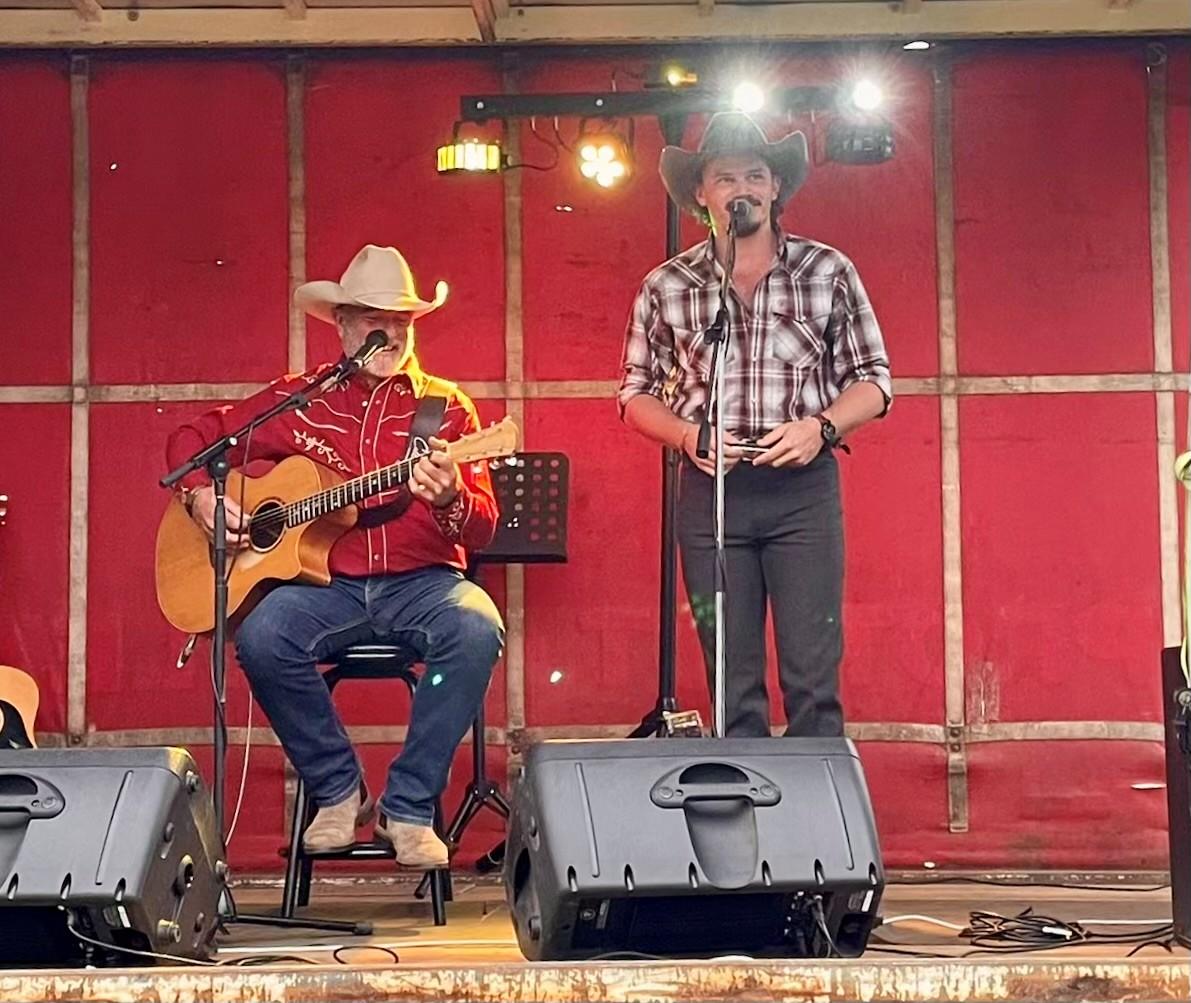
“Music is the last non-political, non-religious platform of speech available and you find the least likely people listen to country music and it draws people together,” he said.
“Once people come together they have a couple of beers and they start talking.
“Getting people to talk is really, really hard, so music in regional communities is incredibly important.”
Preston Community Club recently worked with the Ulverstone Lions Club to bring interstate talents Jarrad Wrigley and Jake Whittaker plus local singer Zac Weeks to the Preston Recreation Ground to put on a show to raise money for humidicribs for the North West Regional Hospital.
Preston Community Club vice president and secretary James Dodds said even for a charity event there was no assistance or fees waived.
“Some contractors have provided equipment at a discounted rate knowing we’re working with Ulverstone Lions Club to help out the hospital, but there’s so many hidden costs that people don’t realise and unfortunately we only just covered costs this time,” he said.
Mr Dodds said a liquor licence ($250), insurance ($3000), council Place of Assembly permit ($225), security ($4000), toilets ($3300 and local Scouts volunteers did the cleaning) were just some of the up-front costs.
The three bands and equipment added up to about $30,000 and buying food and beverages $10,000.
Securing the liquor licence took considerable time and appeals to politicians after being initially charged for something akin to a major event for thousands.
The promised overhaul of liquor licencing rules as part of the State Government’s “war on red tape” won’t come too soon for volunteer small events committees.
Tourism, hospitality and events Minister Jane Howlett said rural events bring local communities closer together and help to create culture.
“The Tasmanian Government is introducing a single permit for festivals and events, reducing the burden on event organisers and stallholders by establishing one permit to rule them all.
“We’re getting rid of multiple permits for serving alcohol outdoors, takeaway or extending hours for special events.”
Premier Jeremy Rockliff said the new licence categories will ensure they are flexible and align with a variety of business models.
“These categories will include licences tailored for small producers like our wineries, cellar doors and microbreweries, as well as event permits designed for festivals and multi-vendor events to make approvals easier.”
To keep events viable in small communities more assistance is required, according to Mr Dodds.
“I’m actually working with some other people to put together a guide to how to set up for a community event to save other groups from doing the hard yards,” Mr Dodds said.
“A lot of the time it’s not about making money it’s about trying to bring more things to the rural areas for locals to do and keep them connected,” he said.
“It’s important people can have some entertainment close to home, free of worry about the farm or how they’ll get home after a few drinks.”



Add new comment