
Seafood export industry grappling with flofenicol spread
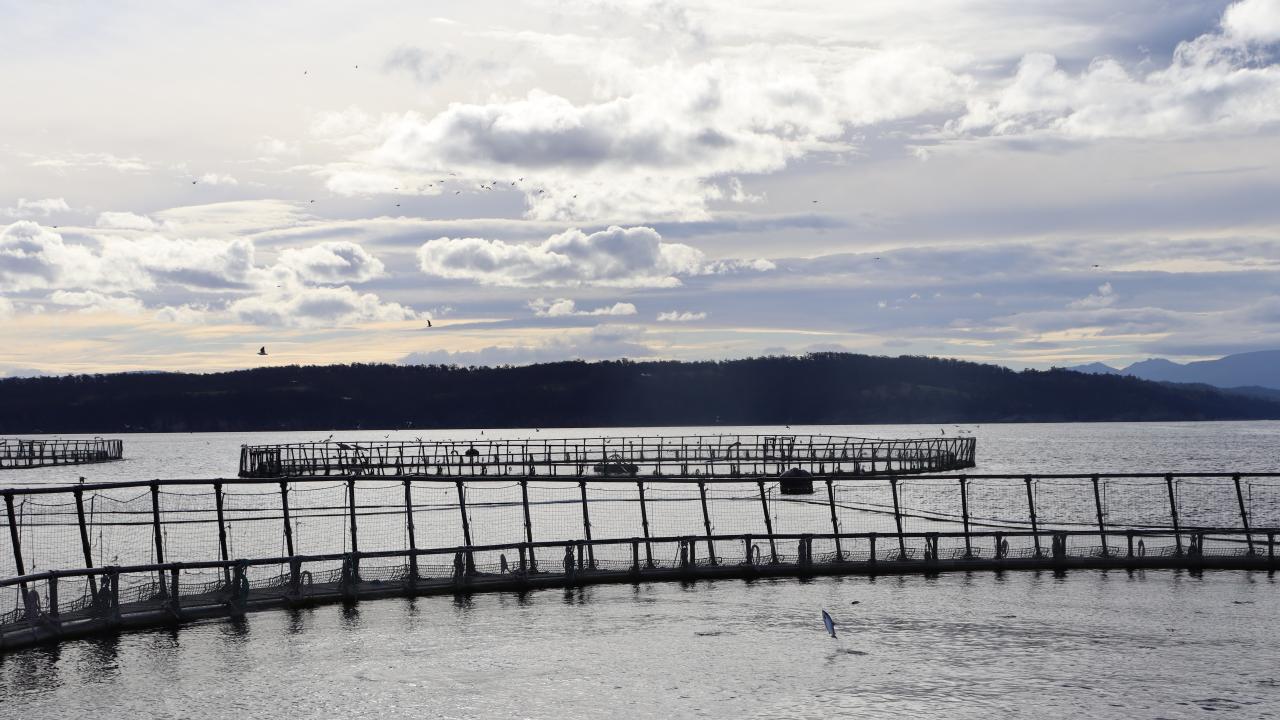
Deputy Premier and Trade Minister Guy Barnett has strongly backed Tasmania’s export rock lobster and abalone sectors in light of the proposed suspension of the use of Florfenicol in salmon farms, due to its detection in the wild.
"The Tasmanian Government continues to work closely with the wild catch seafood sector,” he said.
“We value our seafood export industry and are in constant dialogue about protecting our trade status.”
Tasmanian salmon companies could be banned from using the antibiotic florfenicol on their fish from next week.
The Australian Pesticides and Veterinary Medicines Authority (APVMA) has proposed suspending the permit for the antibiotic.
The ban will come into effect on March 2 unless the state’s salmon industry provides evidence that it should be allowed to continue using florfenicol.
Aquaculture companies have used the antibiotic to avoid a mass salmon die-off.
In the aftermath of the APVMA announcement, Tassal used flofenicol at five of its sites within a few days.
The ban comes after the detection of very low levels of flofenicol in abalone and lobsters located more than 10 kilometres away from salmon farms.
The APVMA’s decision drew support from some state MPs, including Independent Peter George.
“Tasmanian authorities have shockingly washed their hands of their responsibilities to act as the crisis mounts, as the industry continues to dump tonnes of antibiotics in southeast Tasmanian waters,” Mr George said.
“Their silence as antibiotic residue spreads into wild marine life, and the resulting threat to rock lobster and abalone exports, is shameful.”
Greens Leader Rosalie Woodruff said the government needed to withdraw its support of salmon companies using florfenicol.
“The government supported the permit application without any consultation and without consideration of other industries, the community, or the environment,” Dr Woodruff said.
“For months, they’ve continued to support the use of the antibiotic, even as risks to trade impacts for wild catch became realities.
“Rather than continuing to prioritise the profits of the multinational corporations that run Tasmania’s salmon farms, the Liberals need to put our waterways, communities and critical wild catch export industries first.”
Dr Woodruff said Tassal's actions were concerning.
“It sends a terrible signal to our export markets that they continue to allow the mass dumping of florfenicol in Tasmanian waters.
“The sensible response is to require salmon companies to destock fish from pens where there is disease.”
Liberal MP Jo Palmer said the Tasmanian government expects the salmon industry to adhere to a looming federal decision on the use of florfenicol in aquaculture.
Meanwhile, Tassal defended its actions.
“Like all farmers, we rely on an expert veterinary team to manage the health of our stock and determine if and when treatments are required,” a company spokesperson said.
“Tassal is operating fully within the current APVMA permit and notes that the review does not relate to any food safety or environmental concern.”




Add new comment