
Dairy era at Rushy Lagoon ends with equipment sale
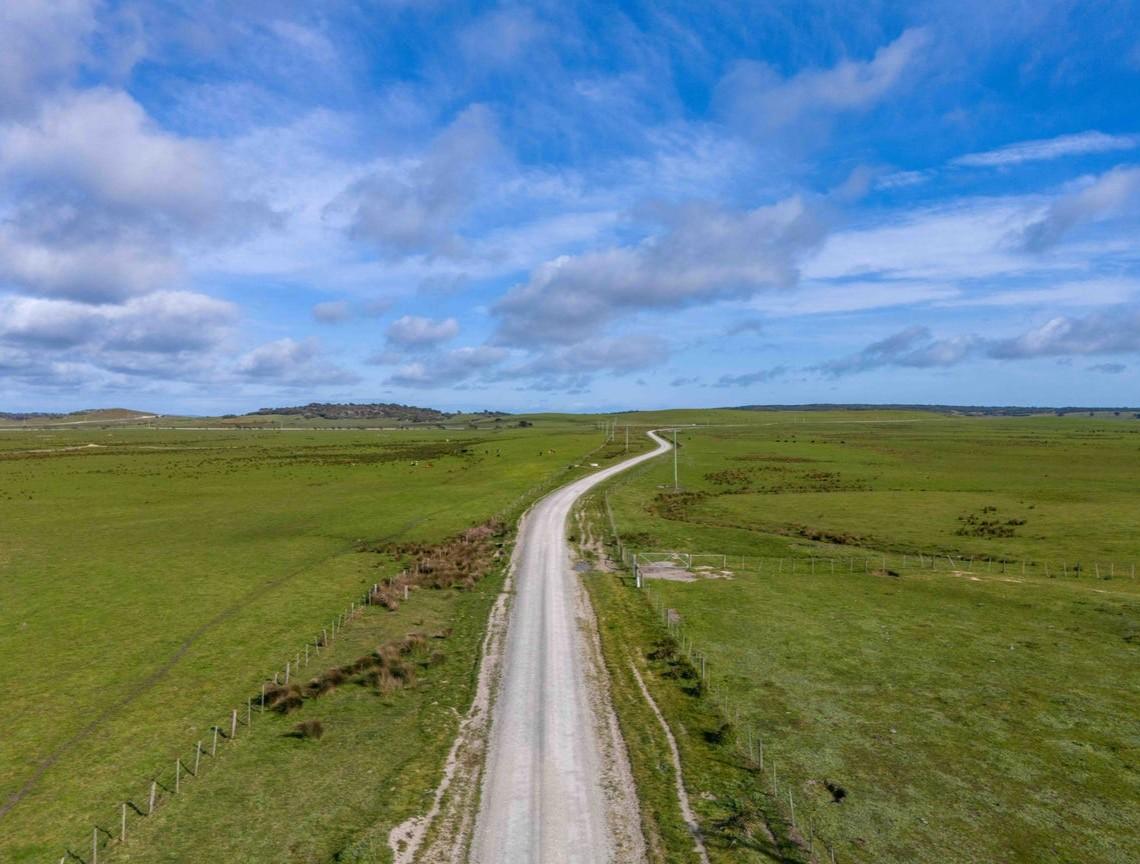
THE decades-long era of dairying at Rushy Lagoon in Tasmania’s North East has come to an end.
The controversial sale of “Tasmania’s largest farm” has been finalised and the equipment from three dairies is for sale.
The sale of the 22,000-hectare property has been the source of significant controversy over its $69 million Federal Government back sale to a foreign corporation planning to convert a large part of the farm to pine plantation, generating carbon credits.
The firm behind the purchase, the UK-based Gresham House, also received an $8.8 million pine plantation grant.
Last month, a push from the Liberals to establish an inquiry into Rushy Lagoon passed Tasmanian Parliament.
Even as the sale is being finalised, the House of Assembly Select Committee on Commonwealth Decisions on Agricultural Land is seeking public submissions on the matter of the Rushy Lagoon sale.
Liberal Member for Bass and Committee Chair Michael Ferguson urged “absolutely everyone with relevant information or views to make a submission and ensure their voice is heard”.
“At Rushy Lagoon, $78 million in taxpayer-backed Commonwealth finance has enabled the purchase of a major working agricultural property by a foreign-managed investment vehicle, with thousands of hectares proposed for conversion to plantation,” Mr Ferguson said.
“There are very legitimate unanswered questions about how Commonwealth funding, incentives and approval processes favoured that particular outcome and what it will mean for other productive agricultural land across Tasmania.
“This Select Committee Inquiry provides a vital opportunity for farmers, regional communities, industry and other interested Tasmanians to put their evidence and experiences directly before the Parliament, noting that a proposed Senate inquiry was voted down by Labor and the Greens.”
Submission to the Committee close on October 9.
“I want the inquiry to establish exactly what role Commonwealth funding, incentives and approval processes played, identify the consequences for productive agricultural land and recommend any practical reforms.
“Most importantly, I want Tasmania’s regional communities to have a stronger voice in decisions that affect their future.
“Rushy Lagoon is the case study, but the inquiry is also about the bigger question: whether Federal Government policies and taxpayer-backed incentives are inappropriately changing the economics of agricultural land use in ways that negatively affect Tasmania’s primary industries.”
Gresham House Tasmanian asset manager Jono Craven said the three dairies on Rushy Lagoon covered 1100ha.
“The dairy herd was sold by the previous owner and one of the dairies, Cinderella, was decommissioned before the property was put up for sale,” Mr Craven said.
“The Tasmanian Natural Asset Trust attempted to sell the three dairies on Rushy Lagoon and associated irrigated land as standalone assets.
“Unfortunately, no compliant bids were received, so the decision has been made to seek expressions of interest for the sale of all equipment across the three dairies.”
Kevin Matkovich from selling agents, Nutrien, said there had been considerable interest in the dairy equipment.
“It is very rare for complete dairies like this to be sold,” Mr Matkovich said.
“This is not a simple project either – to dismantle it, put it on the back of a truck and take it to the next site is a pretty big project for whoever wants to take this on,” he said.



Add new comment