
Dawn wrote the book on rejuvenating a rundown farm
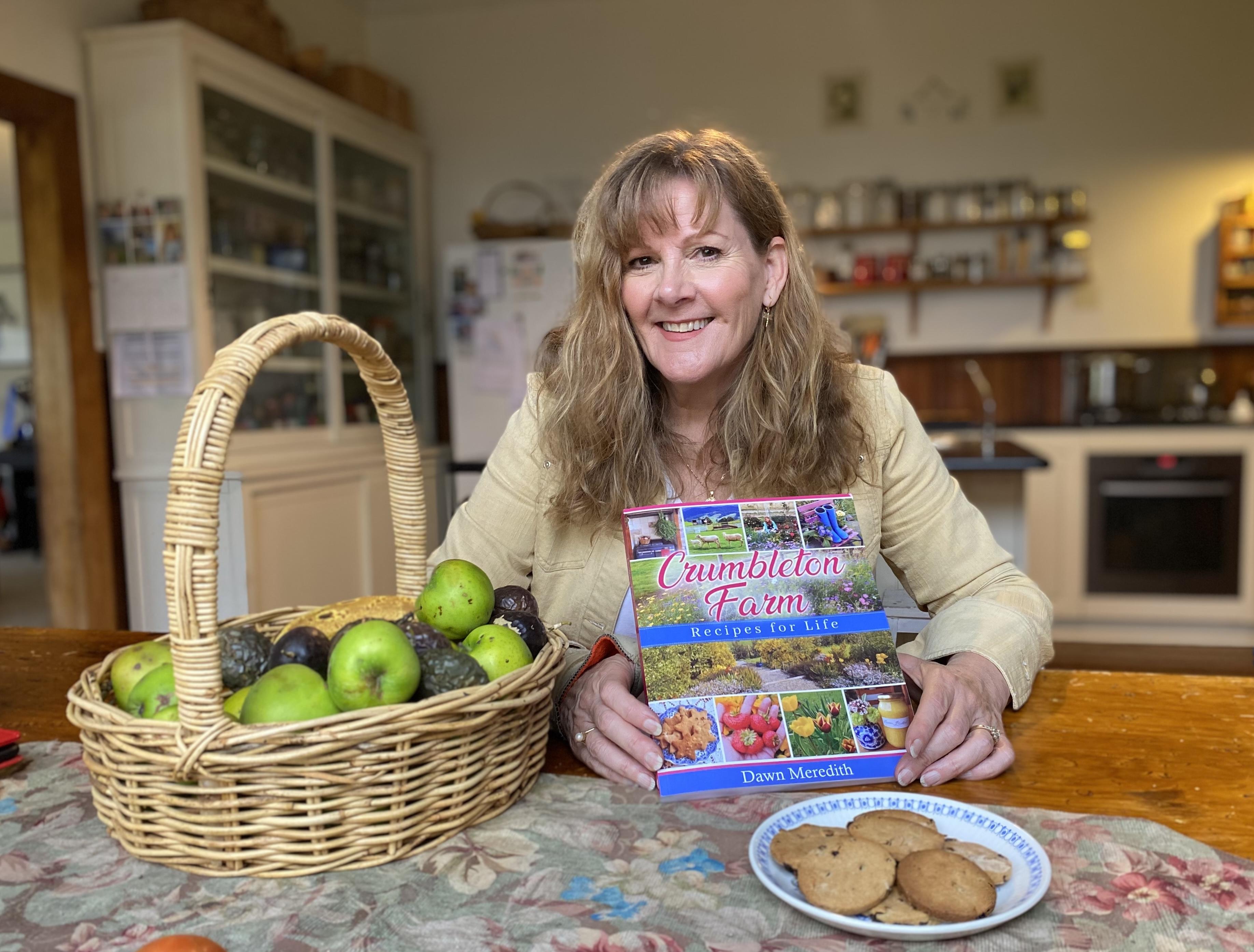
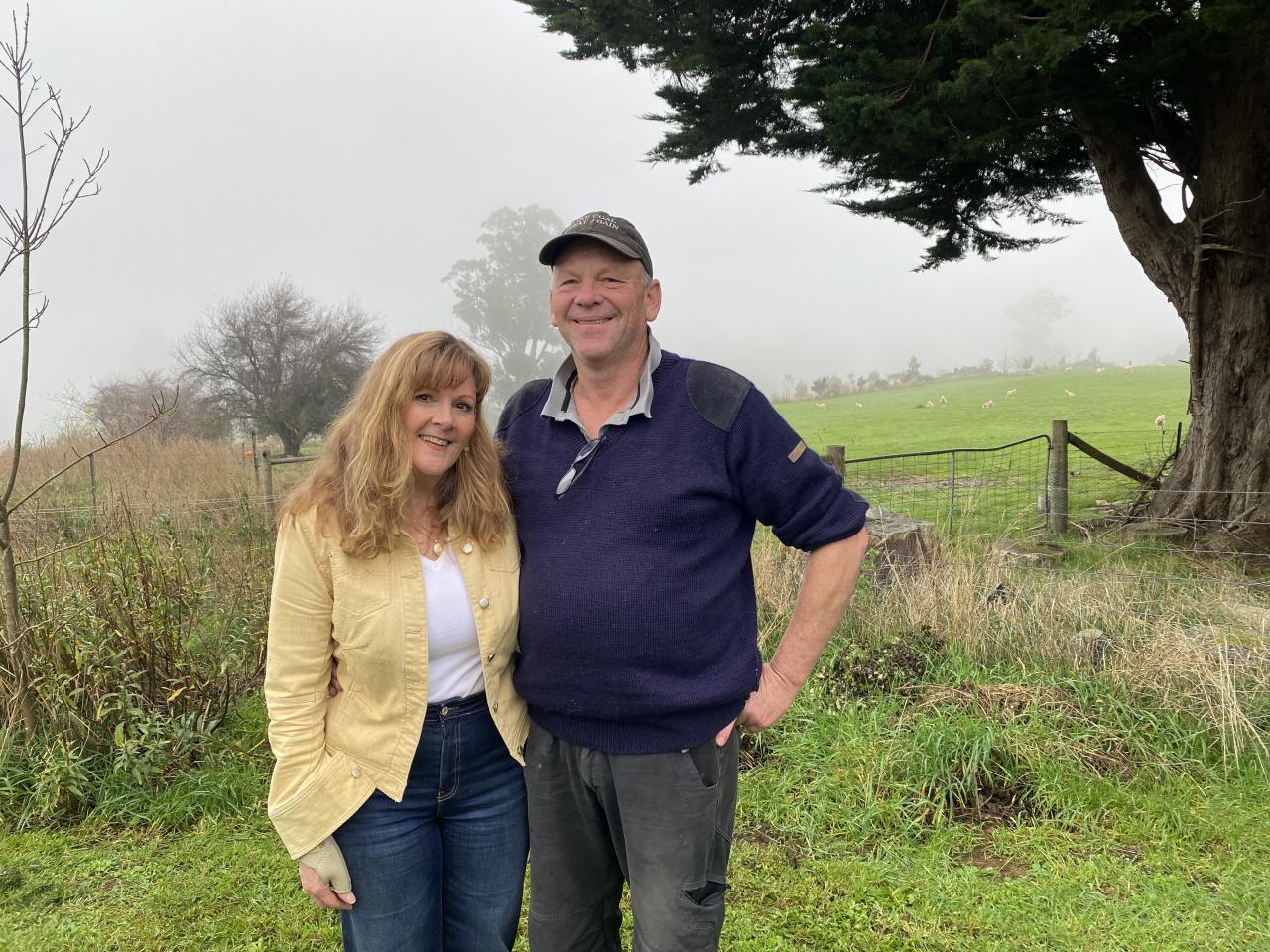
A journal about the transformation of a run-down farm on Tasmania's central coast by Sydney tree-changers Dawn Meredith and Al Hort has morphed into something even more delectable.
On Sunday, Dawn, a former special education teacher, an artist and author of 16 books including fantasy novels, will launch her first cookbook. (See recipe at the end of this story)
Crumbleton Farm – Recipes for Life, tells the story of buying a 40ha farm, sight unseen, in 2017, developing a sheep property, learning about soil, animal and human health and finding ways to grow food without chemicals.
The couple had decided that they needed a better lifestyle, instead of “flogging ourselves and travelling two hours each way to work”.
Al was a ferry master on Sydney Harbour and he’d been told by the doctor that the travel, hours and stress were going to kill him.
Dawn was on a long road to recovery after a car accident in her mid 30s that prompted a career change and a closer look at what was important in life.
The couple longed for a country upbringing for their daughter Rosie, now 20, and the space and opportunity to heal body and soul.
The cookbook details their journey to becoming farmers and is filled with simple, healthy recipes that complement their fresh food, paddock-to-plate approach where getting back to old-fashioned basics makes more sense.
“These are recipes for becoming less dependent upon supermarkets and for taking back some of the control over our nutrition,” Dawn said.
“And many friends and family members added their precious family recipes to this collection from all over the world, providing stories behind these dishes, snippets of what life was like in childhood days and the love and care that went into the preparation of meals for family.
“In an age where so much of our diet is made up of ultra-processed, packaged foods, this volume reconnects us to a time when food was fresh and made from scratch.”
Moving to Tasmania, as it turned out, did not give them an escape from hard graft.
When the couple bought the land, which drops away to a beautiful valley with mountain views in the distance, there was a 100-year-old farmhouse front and centre and a line of macrocara stumps and not much more.
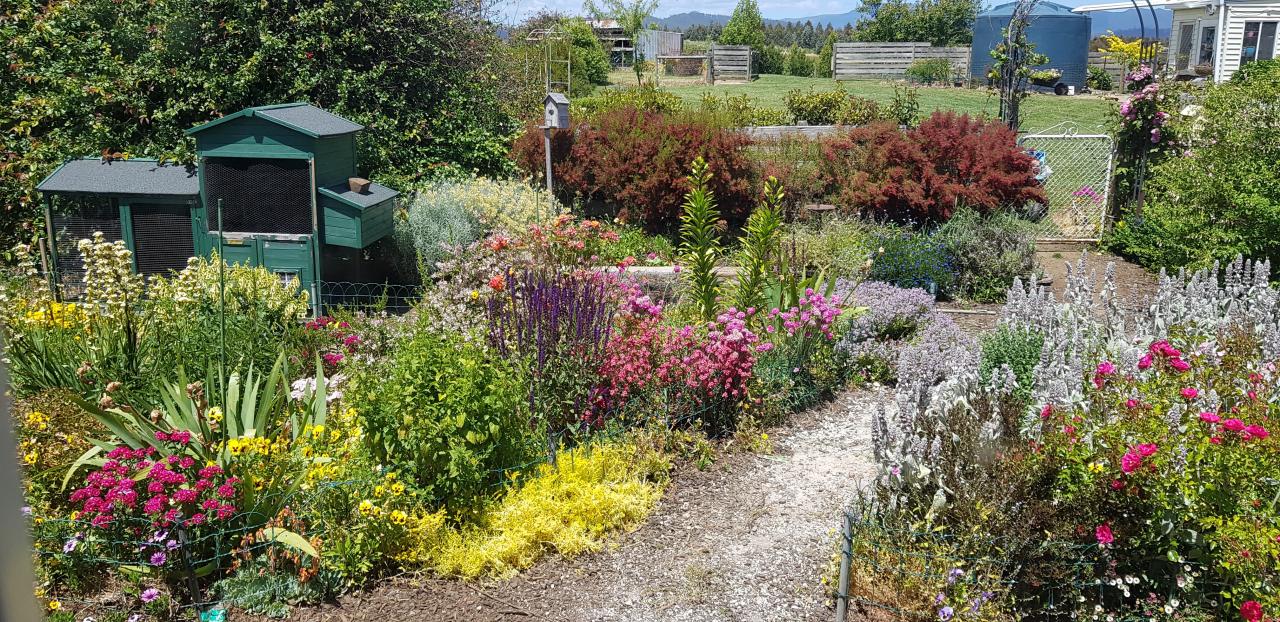
“I was expecting old rose beds, a big tree to hang a swing off for our daughter, but it was all pretty bare - and in our first few months here I was in a deep depression thinking what have we done?” Dawn said.
“There was a millipede plague to deal with, not helped by the fact that we were ploughing and disturbing their nests, the weather was cyclonic all the time being on a hill with no hedges for wind protection and there was no fencing to be seen.
“We set to work planting an orchard, hedges, trees and really, the first three years we were constantly in physio due to the physical toll as we established the gardens and the paddocks we needed.”
The couple divided the property into paddocks and as each one was fenced off they planted corridors of trees and bushes to encourage pollinators and birds for pest control and they cultivated and sowed pasture.
When the grass grew to more than six foot tall they were thinking that this farming caper was easy.
“But after we baled it the land turned back to desert. We did all the wrong things really and we started thinking there must be a better way to gain pasture that was sustainable for our sheep.”
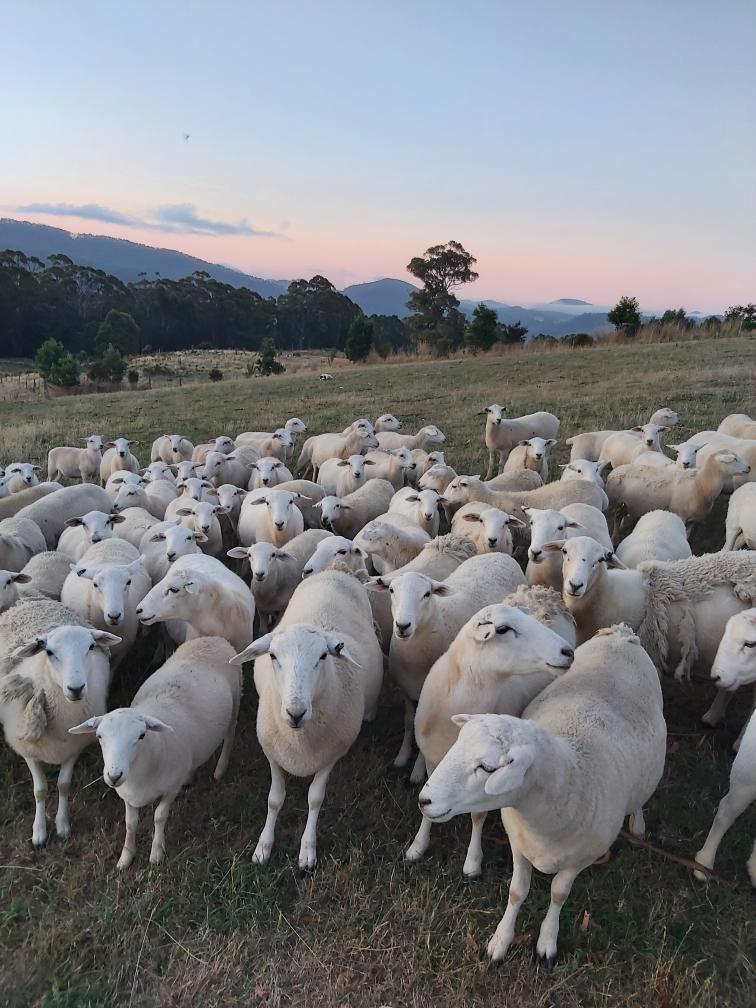
Regenerative farming methods were researched and applied, and now, nearly 10 years on, 300 Wiltipoll/Australian White/Damara cross, self-shedding meat sheep have plenty of feed on the farm and lambing them has been a breeze.
Because worm wee is used for fertiliser, the multiple pasture plant species thrive and the weeds taste sweeter so they’re eaten by the sheep - even the bracken and blackberries have been chewed up and eliminated.
The sheep meat is sold to select supermarkets and through a private client list of mainly family and friends.
Dawn admits she was never one to spend time in the kitchen, but she’s learned to embrace it for her own benefit and that of her family.
“I grow food and preserve it, I dry food, make my own pain medication and ointments and cook meat and vegetables that I know have not been affected by chemicals,” she said.
“We just want a healthy lifestyle and to have time together - it’s not about making money.
“This book is a way to pass on what we have learned to others and share recipes that are tried and tested throughout generations.”
Crumbleton Farm – Recipes for Life, will be launched on June 28 at 2pm at Studio 2, Leven Regional Arts, Hive, Ulverstone and everyone is welcome to attend. Book sales $40. From June 28 it will be available on Amazon.
Dawnie’s Currant Biscuits
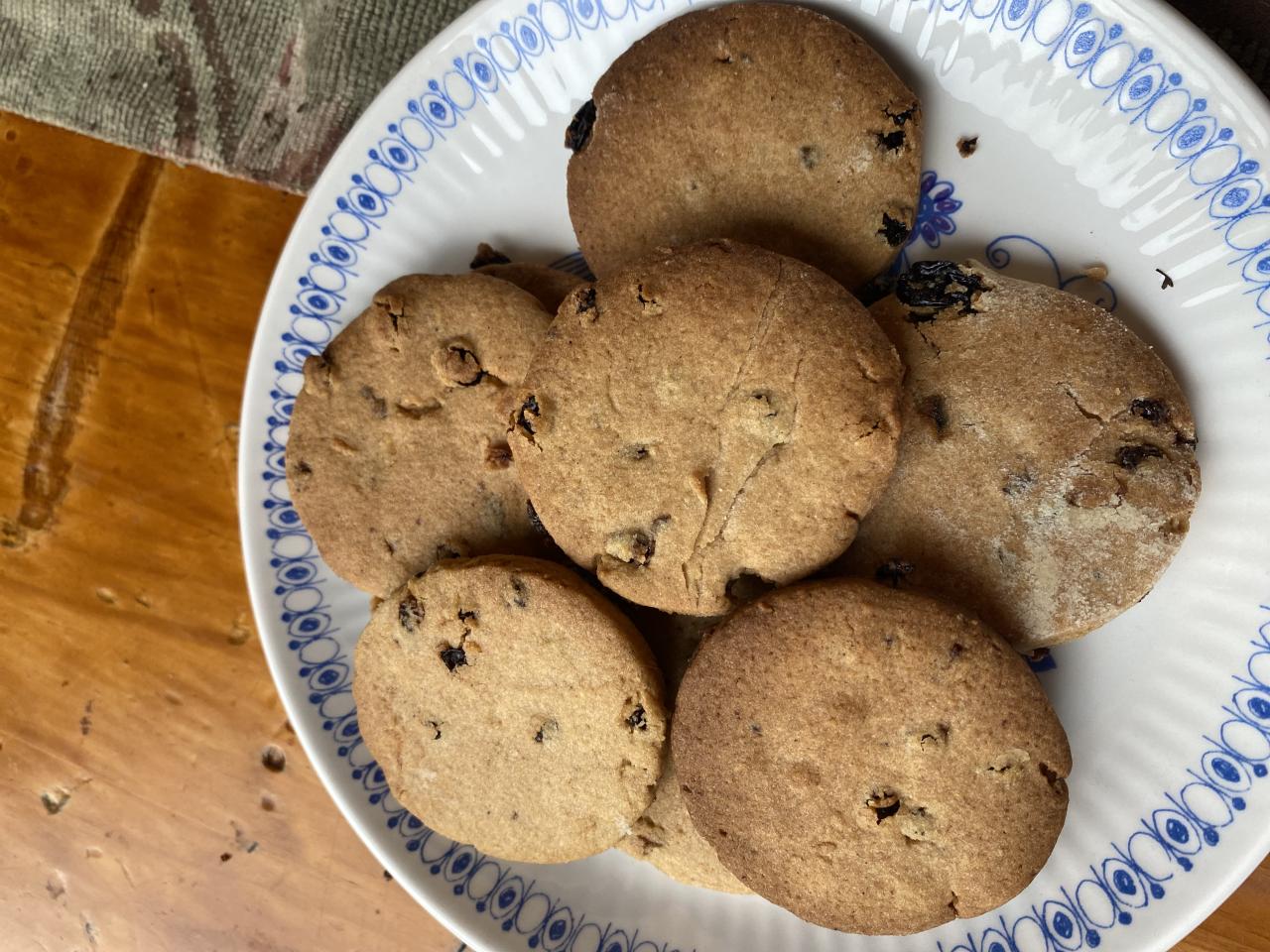 Ingredients
100g butter
250g plain flour
50g almond flour
1 egg (or egg replacer)
100g dark brown sugar
50g currants or diced dried apricots
1 teaspoon vanilla paste
1 teaspoon nutmeg
2 teaspoons cinnamon
2 teaspoons ginger powder
2 tablespoons lemon zest
Method:
Cream butter and sugar until light and fluffy. Add egg, then flour slowly. Fold in currants and spices. Roll out onto a floured surface to 5mm thickness. Cut rounds with a cookie or scone cutter. Place on baking paper on a baking tray 2cm apart. Bake for 10-12 minutes or until golden. Allow to cook then, using an egg flip, transfer gently to a cooking rack to crisp up.



Add new comment