
Feral pest in the firing line
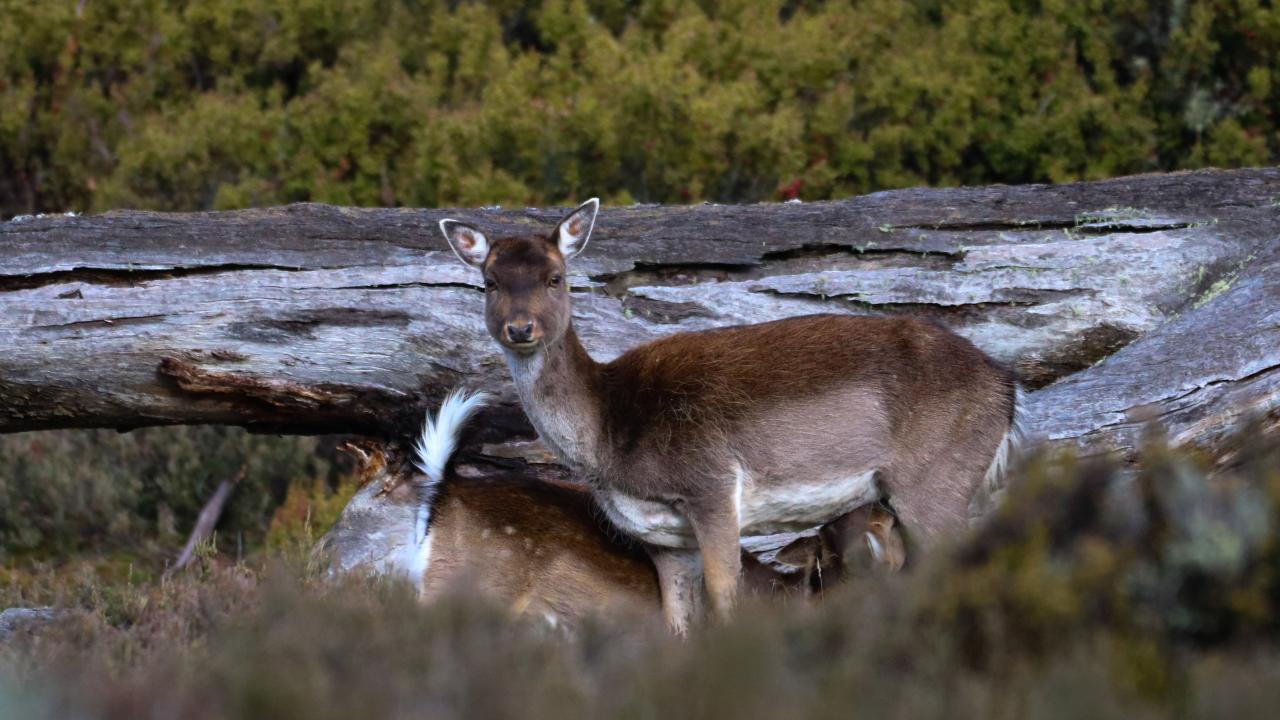
CHANGE can’t come soon enough, with primary producers shouldering the burden of the feral deer species, which currently enjoys partial protection status as a hunting resource.
What we need to see is clear – targeted changes to reduce the population in a meaningful way.
Expanded culling, simplified permits, stronger incentives to target breeding females, and a broader, more decisive response that signals the system is finally catching up to the scale of the problem.
The 2025 Deer Management Policy Review Consultation Summary shows strong engagement and sends a consistent message: the current system is not keeping pace with the reality on the ground.
That message isn’t ambiguous, and it isn’t divided. It reflects a clear consensus from those dealing with the impacts every day that the system, as it stands, is no longer fit for purpose.
There is broad support for empowering landholders, reducing red tape, and making it easier to manage feral deer on farm.
That’s not a marginal view – it’s where the weight of feedback sits.
The deeper question now is whether the government continues to manage deer or moves toward a strategy to eradicate them.
Because trying to do both – maintaining deer as a game species while also reducing them at scale – is what has led to the current imbalance.
There is a clear shift in appetite to simplify the system and drive down numbers, alongside growing pressure on government to move faster and go further. That pressure won’t dissipate with the release of a response.
If anything, it will sharpen as stakeholders assess whether the outcome matches the scale of the challenge.
Because the reality, particularly across the Midlands, has already changed.
Deer are no longer a contained issue within traditionally less productive country. Instead, they are an escalating threat to highly productive, irrigated agricultural land.
For many landholders, this is no longer a matter of choice in how to manage the issue, but one of ongoing viability.
Treating them as anything less than a full-scale invasive pest risks locking policy into a permanent state of catch-up.
And, in that scenario, the burden of that delay continues to fall disproportionately on farmers and regional communities.
We need decisive change and cannot continue to treat deer as a managed recreational resource alone.
Holding on to elements of a system designed for a different context will only allow populations to persist, expand, and adapt.
What’s required now is a clear shift in intent, one that aligns policy settings with the reality on the ground and puts meaningful population reduction at the centre of the response.
Anything less risks being remembered not as a turning point, but as another response that didn’t go far enough.



Add new comment
Comments
Fallow deer and farmers
If it wasn for farmers letting them get to such high numbers on their land because of greed and charging astronomical prices for people to shoot them there would not be this problem in the first place also hunters need to be let into land that is not available to shooters not only the invasive species council and a select few , the ISC cant even controll noxious weeds because the big dollars from government arnt thrown to them but mention deer culling and these morons are all over it like fly to rotten meat