
King Island delegates unable to attend aviation hearing at Wynyard
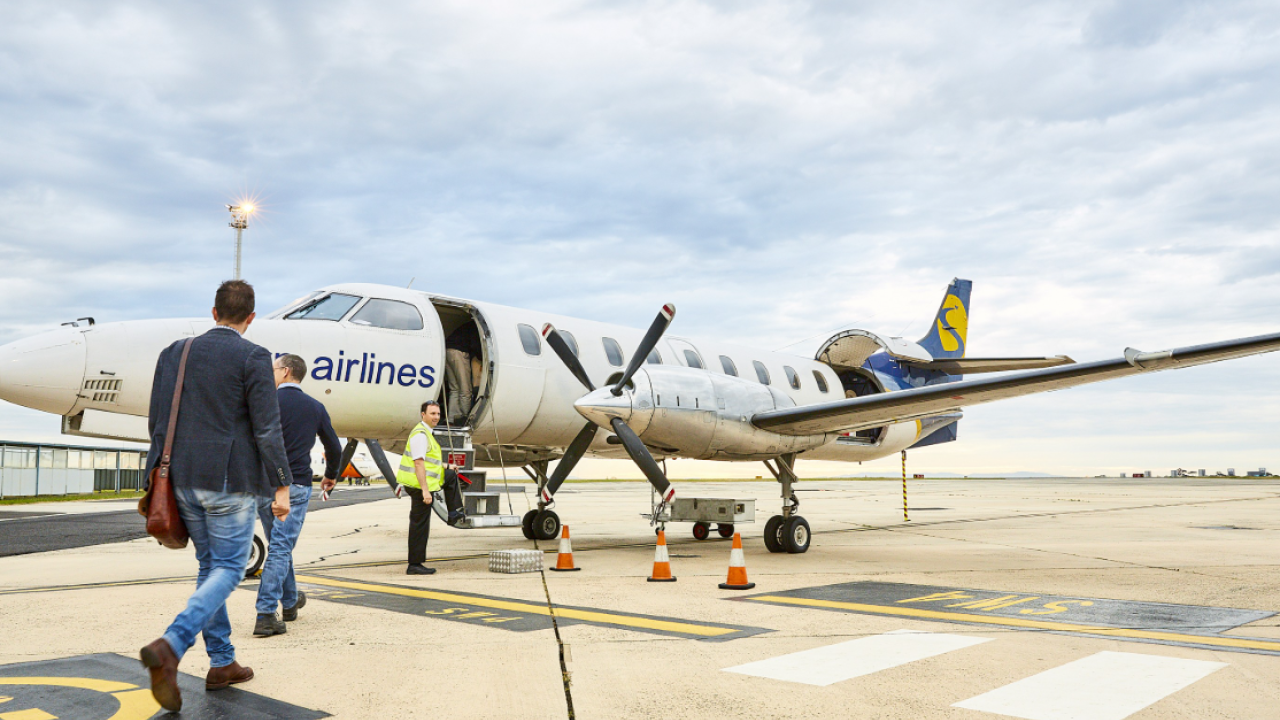
King Island’s delegation to the federal government’s aviation sector hearing, has delivered a clear message: for remote islands – aviation is not a convenience, it is critical infrastructure.
The hearing itself illustrated the problem. The delegation had planned to attend in person but could not secure a flight for the hearing day and had to teleconference.
Appearing before the hearing on Monday, representatives from King Island Council, the council’s Transport and Freight Group and the King Island Regional Development Organisation outlined how high airfares, unreliable freight services and a loss-making airport are undermining tourism, business competitiveness, health access and long-term population sustainability.
King Island sits just 35 minutes by air from Melbourne, yet services remain limited and expensive. Before Covid, many fares were about $99 each way, helping drive population growth, new investment and a strong tourism market. While prices have eased from pandemic peaks, flight frequency has not returned to former levels and is operating at roughly two thirds of its previous tempo.
Current fares remain steep. A one-way Rex flight to Melbourne sits at $229, or $458 return. Sharp Airlines to Burnie Wynyard is $285 one way and $570 return. Sharp to Launceston is $375 one way and $742 return. King Island Airlines to Moorabbin is $240 one way and $416 return, before booking fees and card surcharges.
High airfares reduce travel, dampen visitation and push up the cost of living. Two litres of fresh milk now costs $9 on the island because it must be flown in. There is no air freight equalisation across Bass Strait.
King Island Council, one of Tasmania’s smallest local governments, owns and operates King Island Airport. The facility runs seven days a week and on several days is the second busiest airport in the state. Yet it operates at a loss of around $400,000 per year, a cost borne by ratepayers.
With an annual council budget of about $12 million, the airport deficit represents roughly five to 10 per cent of total expenditure.
The delegation told the hearing that the Council has prepared a community service obligation business plan and is seeking state and federal support to cover the structural operating shortfall and allow ongoing upgrades. Without intervention, the burden will continue to fall on a very small rate base.
If mandatory passenger security screening were introduced, the airport’s operating costs could increase by at least $1 million a year.
The delegation’s position was blunt: guaranteeing flights is not enough if fares remain out of reach. Subsidies and long overdue air freight equalisation across Bass Strait must form part of any meaningful reform.
The hearing was told that for business, freight costs are structurally higher than on the mainland because there are no alternative transport options.
A local nursery receives about 98 per cent of its stock via air freight, adding roughly $8 to the cost of each pot plant before it reaches customers.
King Island Seafoods processes around 20 per cent of Tasmania’s rock lobster quota, along with giant crab and abalone. More than 220 tonnes of seafood must be transported by air each year to meet food safety and market access requirements.
Retailers are also under pressure. Freight costs are reaching about $8 per kilogram for newspapers, stationery and retail goods sourced from Tasmania and Victoria. Reduced flight frequency and delivery delays have cut newspaper revenue by about $2,000 a month at the local newsagency.
The King Island multi-species abattoir relies on air freight to move product to market but has limited access to freight equalisation subsidies, leaving it exposed to rising transport costs.
Unreliable services compound the problem. Weather variability across Bass Strait increases the risk of delays and cancellations, creating spoilage risks for perishable goods and damaging hard-won brand reputation in premium export markets.
The Festival of King Island recently had to charter two aircraft at a cost of $45,000 to ensure performers could attend because regular flights were fully booked or not available.
Limited connectivity also affects workforce participation. Staff often require additional leave to travel for medical appointments or training. The G6 Metals mine depends on fly in fly out workers, further highlighting aviation’s role as enabling infrastructure.
King Island’s argument to the inquiry centred on differentiation. Unlike mainland regional communities, the island has no road, rail or alternative transport link to Tasmania or Victoria.
The airport’s immediate priority is strengthening and expanding apron parking to accommodate more aircraft and heavier types with works estimated at about $8 million.
Mayor Marcus Blackie said that King Island has reestablished communications with Rex’s new management following the airline’s sale process and remains cautiously optimistic about improved efficiency and potential fare reductions.
State support for Sharp has helped maintain service frequency, but affordability remains unresolved.



Add new comment
Comments
Building and construction on king island
Building costs are much higher due to due process getting building materials onto king island.
The beautiful natural environment king island has leveled the islands appreciation with many very desirable coast towns on the mainland and Tasmania. King island deserves to reach its full potential. It would be great if freight equalization applies to construction materials