
Lenah Game Meats aiming to be part of the food crisis solution
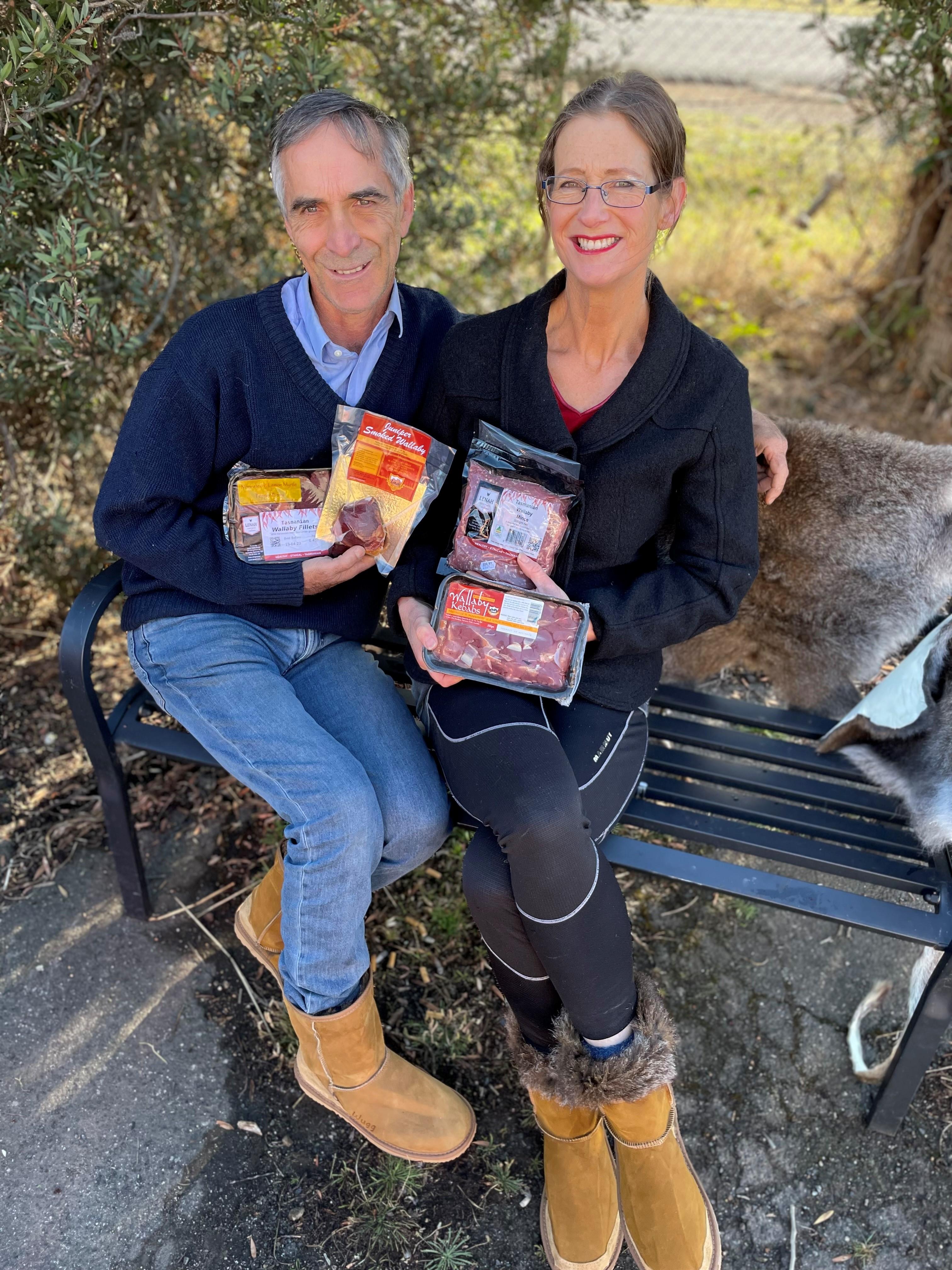
Amid ongoing debate about Tasmania’s wild deer problem, the state’s only registered wild venison processor has been quietly transforming a complex environmental issue into a positive community and commercial success story.
For nearly two years, Lenah Game Meats has been harvesting and processing wild deer under a government-approved commercial use trial.
The business harvests deer through crop protection permits and processes it at its Launceston facility.
It produces premium venison for human consumption, supplies Tasmanian-made fur and leather products, and uses bones, ears and offal for high-quality pet food. Nothing is wasted.
“We’ve also established a program to donate a portion of our venison to Foodbank, helping support Tasmanians in need,” proprietor John Kelly said.
“Lenah has been donating both wallaby and venison to food charities for over a decade. This year we donated the equivalent of over 9000 adult protein serves to Foodbank and Oz Harvest.”
In response to growing deer numbers, some landowners are calling for more venison to be allowed to be sold in a bid to motivate hunters.
Supporting the idea, Shooters Union Australia has called on the Tasmanian Parliament to adopt new legislation which would empower licensed hunters to donate surplus wild game meat to food banks and charities – and has gone so far as to draft the legislation for political consideration.
Shooters Union Australia’s Tasmanian president Phillip Bigg said that with deer numbers in Tasmania out of control in predominantly agricultural areas, he and thousands of licenced hunters are looking for a way to help their communities.
“We’ve seen great results from this approach in New Zealand, where charity Hunters4Hope have donated nearly 12,000 kilos of venison so far this year, which is about 93,000 meal-portions worth of protein.
Mr Bigg has submitted a template Bill to all Members of Parliament in Tasmania, urging swift action to enable hunters to redirect nutritious meat from species like deer and wallaby directly to those in need.
The proposed Bill introduces two potential approaches:
• regulated schemes, modelled on New Zealand’s successful “Hunters Helping the Hungry” program, with appropriate government oversight; and
• direct donations with mandatory labelling of the meat as unregulated or game meat, as well
liability waivers where recipients accept full responsibility for food safety, protecting donors
and charities alike.
The proposed Bill builds on Tasmania’s Commercial Use of Wild-shot Deer Trial, extended to April 2026.
This ensures alignment with biosecurity and animal welfare laws, and completely bans the sale of donated meat.
“Responsible hunters are already on the front lines managing species that are having significant impact to agriculture and sensitive environmental areas,” Mr Bigg said.
“This Bill turns that effort into an even larger community benefit by also allowing safe, regulated donations without red tape or cost,” he said.
Mr Kelly has his concerns, saying that while allowing recreational shooters to do something similar to what he already does sounds good in principle, but there is a reason commercial processors must comply with rigorous food-safety standards.
“A secure and well-regulated food supply chain is essential for community safety and confidence,” he said.
“It is difficult to understand, for example, how meat processed in the bush or in someone’s backyard could meet the cold-chain and hygiene standards required to guarantee public safety.”
Mr Kelly said that a more practical and responsible alternative would be for the government to subsidise commercial operators - who already operate under approved quality-control systems - to process game specifically for charitable donation.
Lenah is now preparing to expand its capabilities even further and the company is in the final stages of developing an online trace-back system that it believes could set a new global benchmark for transparency in wild-harvested meat.
Foodbank Tasmania CEO Cameron Johns said that access to healthy, lean protein is one of the greatest challenges for families doing it tough, and Lenah’s donation is making a real difference.

Add new comment
Comments
Venison,
Prevent Waste venison, its a very usefull healthy clean food that should be more available. Should not be wasted.