
Lock up your poultry - bird flu edges closer
Tasmania is bracing for the inevitable arrival of the deadly H5N1 bird flu strain following confirmation today that it has been detected in Victoria for the first time.
A greater crested tern was found near Portland in the state's south-west and it tested positive for the highly pathogenic avian influenza strain.
So far there have been 14 cases in South Australia, 10 in Western Australia, two in New South Wales and one in Queensland, ahead of the newly reported case in Victoria.
Following the latest detection, Victoria's chief veterinary officer Graeme Cook announced that the state has enacted its State Emergency Animal Disease Response Plan.
Mr Cook said that at this stage, there remains no evidence of mass mortality, infection in poultry or in its agricultural production system and that there continues to be a low risk to human health.
“We understand this may be distressing and we need to take every step we can to help care for our environment and wild birds. Our advice is to “Avoid, Record, Report” sick, injured or dead birds.”
Tasmania remains on high alert with zero active cases but has transitioned into an active preparedness state under its whole-of-government response strategy. The Department of Natural Resources and Environment Tasmania (NRE Tas) has officially confirmed that there are no positive detections within the state, however, because the virus has reached Victoria, authorities view its entry into Tasmania via migratory seabirds as imminent.
Tasmania’s coastline is being monitored by a coordinated network of government biosecurity officers, scientific researchers, drone operators and volunteer "citizen scientists”.
Hobart veterinarian and Animal Health Australia consultant Dr Bruce Jackson said that there’s every chance there’s a dead bird with the virus somewhere in Tasmania - it just hasn’t been found yet.
“There are many migratory birds like albatross and pectorals that cover huge distances and fly to Tasmania and the annual migration of shearwaters, swift parrots and other species will be happening soon, so an incursion is going to happen sooner rather than later,” he said.
“The advice I’ve given my commercial poultry client is don’t stop operating because there’s nothing more they can do at this stage - but if their flock is wiped out or has to be culled in the future there are avenues to obtain compensation,” he said.
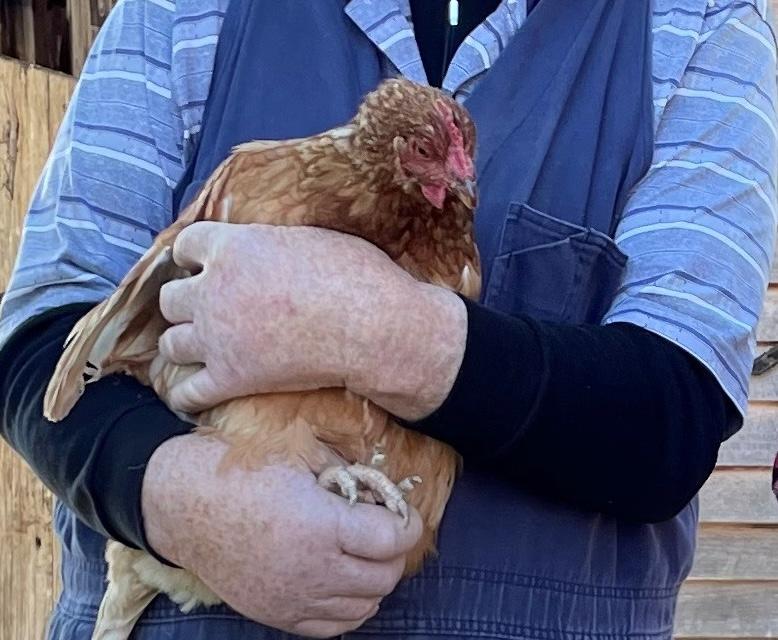
“My advice to anyone with poultry is to keep them away from wild birds if possible and make sure wild birds can’t contaminate their food or water - in other words keep them behind wire.”
Anyone who finds dead birds that they suspect might have bird flu should make a report to the Emergency Animal Disease hotline on 1800 675 888 or to Biosecurity Tasmania on (03) 6165 3777.




Add new comment