
Martin Waldhoff and Tassie Tallow making the most of revived trend
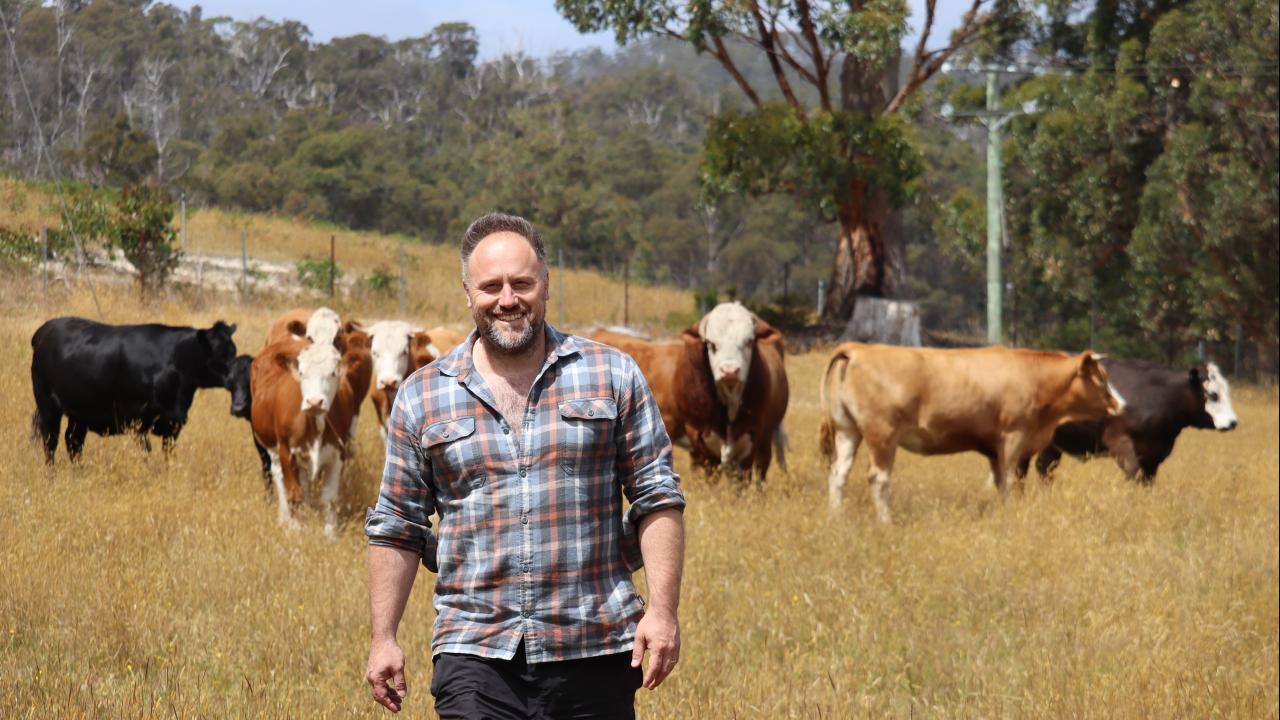
For the first time in more than 60 years animal fats are finding their way back into the frypan and there’s a small Tasmanian business burgeoning on the back of its popularity.
Tassie Tallow, which operates out of modest premises in Chapel St, Glenorchy, takes what has become a by-product of meat processing - the kidney and loin fat (suet) - and turns it into a range of high-quality cooking and beauty products.
The small business makes beef, lamb and buffalo tallow, ghee, beef dripping, lard, beef/lamb meat and sea salt pemmican (a high protein health snack), a range of pet food supplements and treats from dehydrated offal, unscented soap, tallow and hemp oil balm, artisan soaps, beard shampoos and soaps, moisturisers and honey and tallow body balm.
It also sells duck fat, sea salt, leatherwood honey, peanut butter and a growing range of Tasmanian-made gourmet food products from spices and curry pastes to cheese snacks and sauerkraut.
The products are mainly sold through butcher shops, markets and online direct to the customer.
Society’s shift away from the “all fat is bad” mentality to one of clean, natural eating aligns with the long-held belief of founder Martin Waldhoff, who initially simply wanted to create a palm-oil-free soap.
Then his personal shift onto a Paleo diet and the subsequent improvements to his wellbeing reinforced his belief in whole-food nourishment and the value of traditional animal fats.
He decided to make his own tallow - but quickly found out that no-one was interested in selling him the fat that he needed to render.
Martin gradually formed partnerships with butchers and abattoirs across the state, many of which adjusted their processes to meet the standards he set.
Eventually he came across a butcher, formerly on the site where his business now operates, who was happy to process the suet using old, traditional equipment.
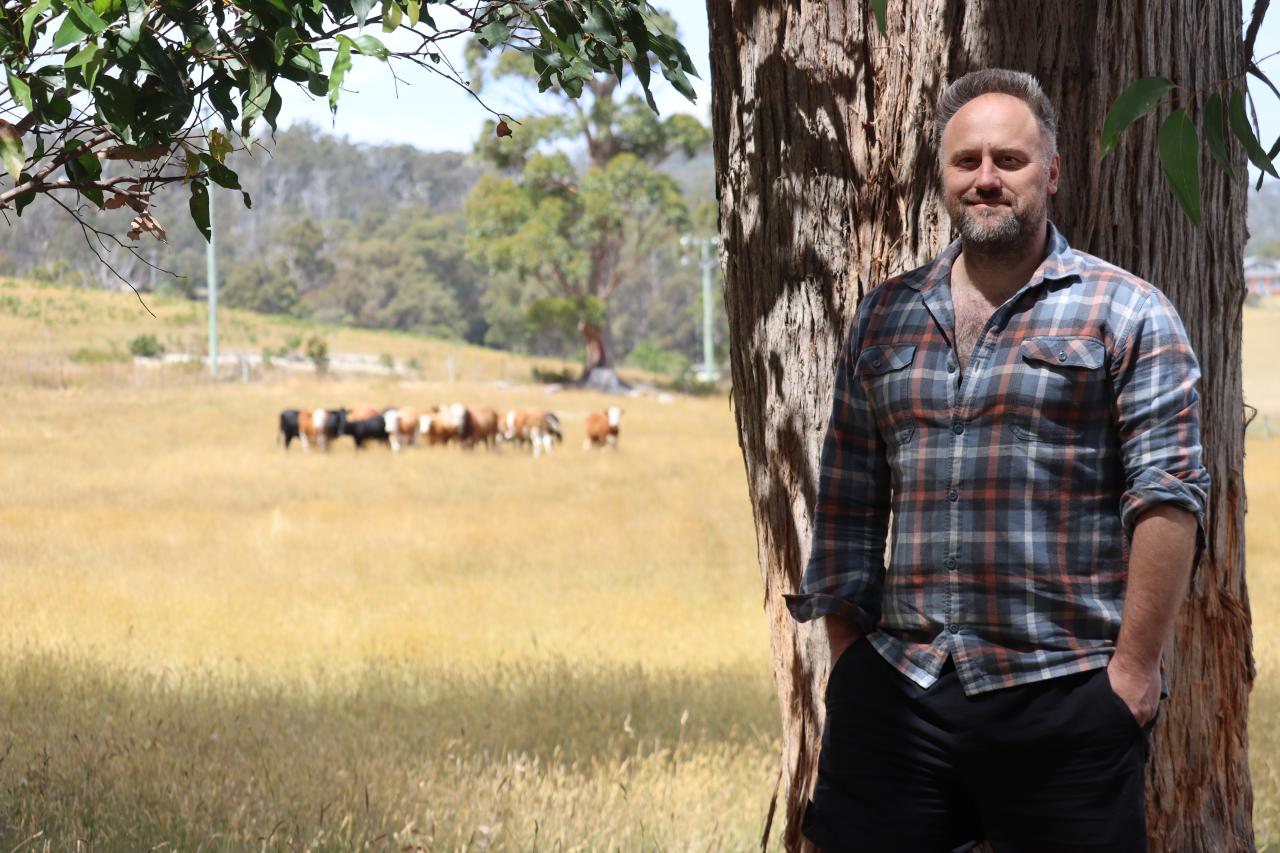
He said the older generation is familiar with tallow, lard, ghee and dripping, but some confusion exists.
“Our tallow is not the kind of dripping that everyone used in the old days, when everything was called tallow – the composition of beef tallow from suet is completely different – far more firm due to the stearic acid content - but both are ideal for frying and deep frying due to their high smoking point,” Martin said.
“Suet is highly vascularised and nutrient-dense, making it one of nature's richest sources of conjugated linoleic acid (CLA). Tallow is typically much firmer than body fat at room temperature.
“Dripping is made from subcutaneous fat deposits around the body. When sourced from free-to-roam and grass-fed animals, it has a gorgeous golden colour.
“All the vegetable and seed oils that people use in cooking today, can be replaced with tallow.”
After a decade toiling away on his own as a side hustle to working in real estate, Martin had developed a handful of tallow-based products that were receiving great feedback but not providing adequate return on investment.
Martin lured his son Austin back from interstate about seven years ago to get involved and then brought Julian Czaplimski on board, tapping into his national and international experience in scaling and marketing businesses.
The partnership has proved successful in growing the business, with Tassie Tallow about to move into new premises adjoining the old, giving them more space and efficiencies and the room to grow further.
They have worked together to developing new systems, promote a flexible and pleasant workplace for their eight employees and fine-tuning their online sales platform to increase output.
Austin said that it’s not easy navigating a fickle, e-commerce space and stay ahead of the competition.
“What really motivates the whole team is the constant positive feedback, the stories from customers about how much our products meant to them and how they’ve been helped with skin and health issues.”

Julian not only handles the marketing, promotions and customer engagement, he has also been able to help out with suet supply - his parents run a small beef farm at Deep Bay, about an hour south of Hobart.
A commitment to ethical sourcing and the quality that comes from grass-fed beef has made the Tassie Tallow products stand out, including recognition at the Royal Hobart Fine Food Awards for its beef tallow and ghee.
However it was two unexpected boosts that took Tassie Tallow to the next level when it comes to public perception and popularity.
“During the Covid pandemic people were at home and had the time to work on their health, research and explore and educate themselves around this market,” Julian said.
“The prominence of high protein, low carb diets emphasised the use of grass-fed, nutrient-dense, high-smoke point animal fats and people realised it could be beneficial when trying to lose weight.
“Then American experts dismantled the long-lauded traditional food pyramid and added animal fats to the list of healthy options.
“The new guidelines encourage consuming protein from animal foods, include full-fat dairy, and even listed butter and beef tallow as preferred cooking fats, while still advising that saturated fat stay under 10 percent of daily calories.”
Martin said he still struggles to source enough suet to meet demand, explaining that the supply issue is at the abattoir level, because it takes some extra handling on the kill floor.
“Suet needs to be hung and refrigerated quickly. It takes about four weeks to cure and then after it’s frozen it can be shipped here for further processing,” he said.
“None of this added process appeals to the bigger contractors, but the smaller beef suppliers can request their suet back and then we buy it off the farmer.
“We get about 15kg of kidney fat from a beast, or in the case of buffalo about 1 or 2kg, because they’re a leaner animal.”
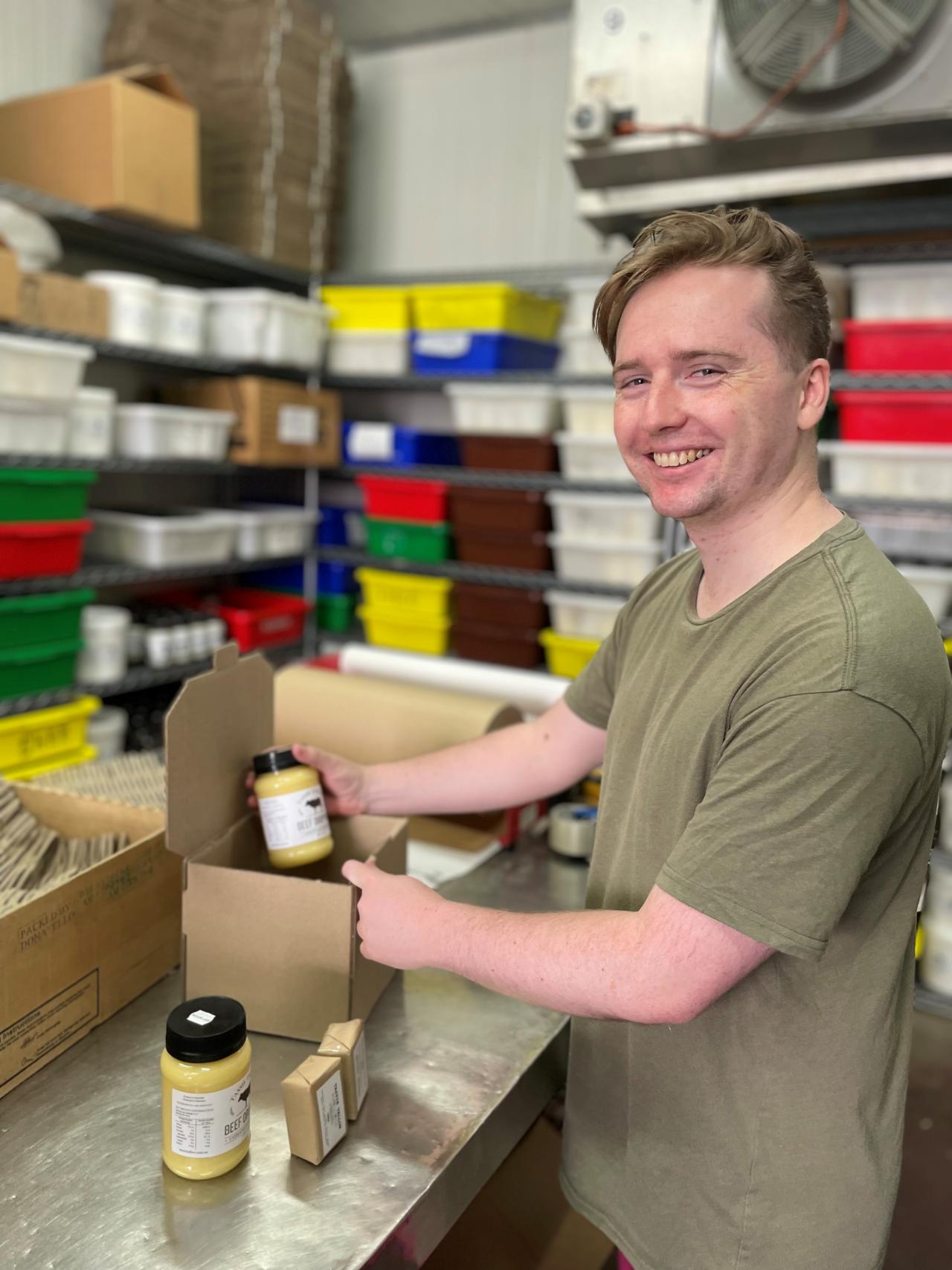
Tallow is considered by many to be a healthier cooking fat compared to highly processed vegetable oils. It contains beneficial nutrients like vitamins A, D, E, and K, as well as conjugated linoleic acid (CLA).
Tallow also has a high smoke point, making it more stable for high-heat cooking compared to many vegetable oils that can oxidise and produce harmful compounds when heated. However, tallow is high in saturated fat, so it should be consumed in moderation as part of a balanced diet.
Martin said that changing trends have greatly helped his business, but the success of the brand goes right back to farmers, who embrace the state’s heritage and traditional farming techniques and produce quality stock that brings the end product to life.
“This is why we can create a world-class product - you can really see the difference when compared to grass-fed products from overseas,” he said.
“It’s great to see more people embracing natural, healthy lifestyles and we’re proud to be a big part of that.”



Add new comment