
Red tape for Tasmanian canola growers slashed
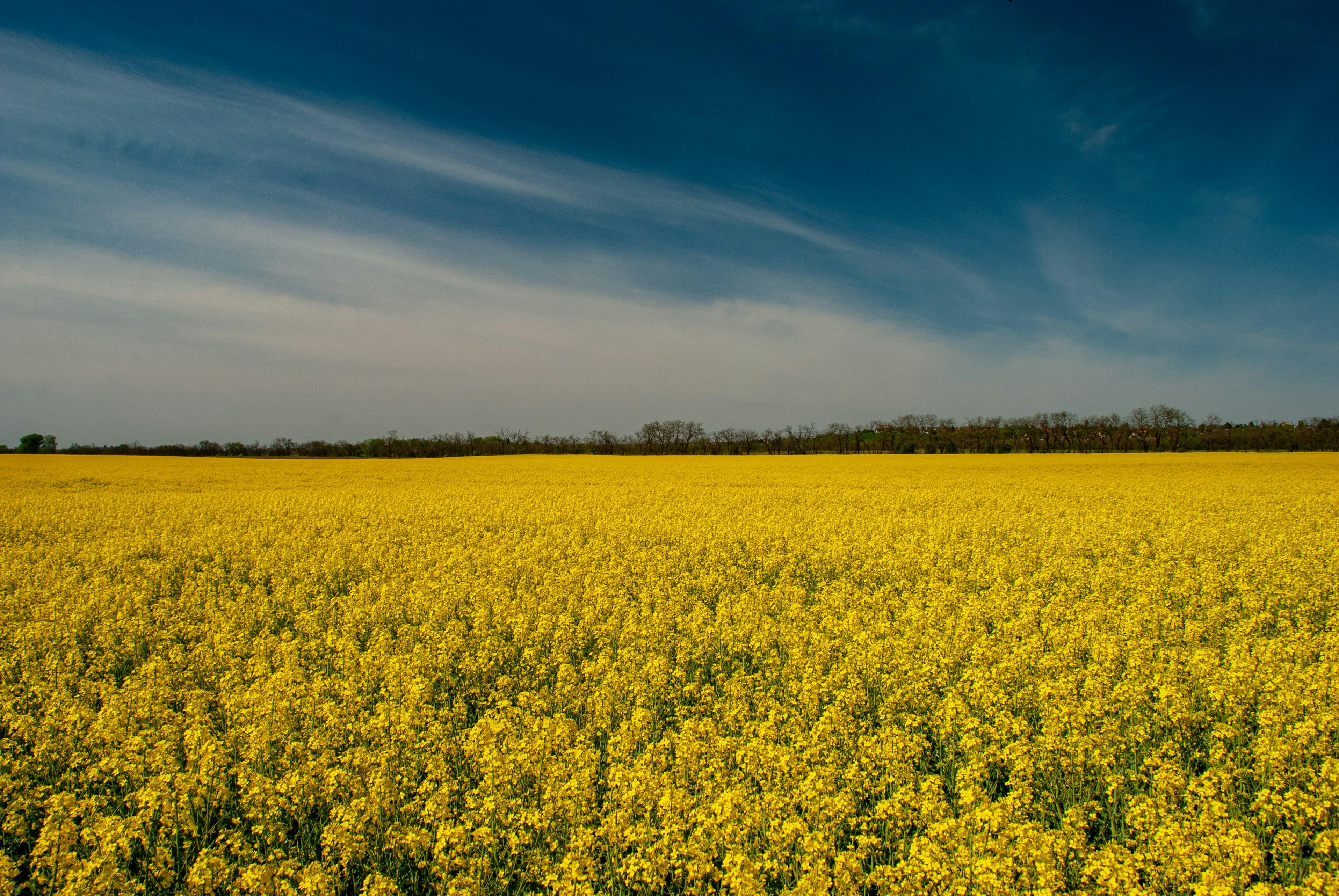
The majority of canola growers who have been operating under permits or exemptions since the introduction of the GMO moratorium 25 years ago can finally say goodbye to tedious monitoring.
While the moratorium remains in place, a joint venture between the State Government and the Tasmanian Institute of Agriculture has produced modelling and a scientific tool that will slash red tape for 77 sites.
GM canola trials occurred in Tasmania between 1998 and 2000, before the state introduced its GMO moratorium in 2001.
Since that time, affected landholders have operated under permits or exemptions issued under the Genetically Modified Organisms Control Act 2004, with strict site management requirements in place to identify any GM canola that regrows from old seed.
Primary Industries and Water Minister Gavin Pearce said that as the science has progressed over the years, it has become clear that canola seed does not remain in soil indefinitely.
“We are implementing a framework, developed with the support of the Tasmanian Institute of Agriculture, that establishes clear, evidence-based criteria to determine when a former GM canola site can be considered extremely low risk and rules simplified,” Mr Pearce said.
“The framework considers factors such as the time since sowing, the absence of regrowth following cultivation, documented paddock history, and scientific seedbank decline modelling.
“Importantly, this does not change Tasmania’s GMO moratorium in any way.
For sites that meet the criteria, routine inspections and permit requirements will cease, although landholders will still be required to report any suspected GM canola plants if they appear.
For sites not yet eligible, NRE Tas will continue working directly with landholders to support ongoing management and future sign-off.
TIA director Professor Mike Rose said that the sites that had grown GM canola after the moratorium was imposed has been strictly monitored by NRE to see if the GM is still there in volunteers that pop up later.
“That’s labour-intensive and costly for NRE and landowners are restricted on what they can grow in those areas,” Professor Rose said.
“TIA has developed a decision-support system to see if the site is high-risk - such as if a paddock is deep ploughed which could bring seed back to the surface.
“It determines the potential germination of GM seed on a farm and if they’re very low risk they can be taken off monitoring with confidence.”



Add new comment