
TasFarmers says climate change is only part of the increasing bushfire risk story
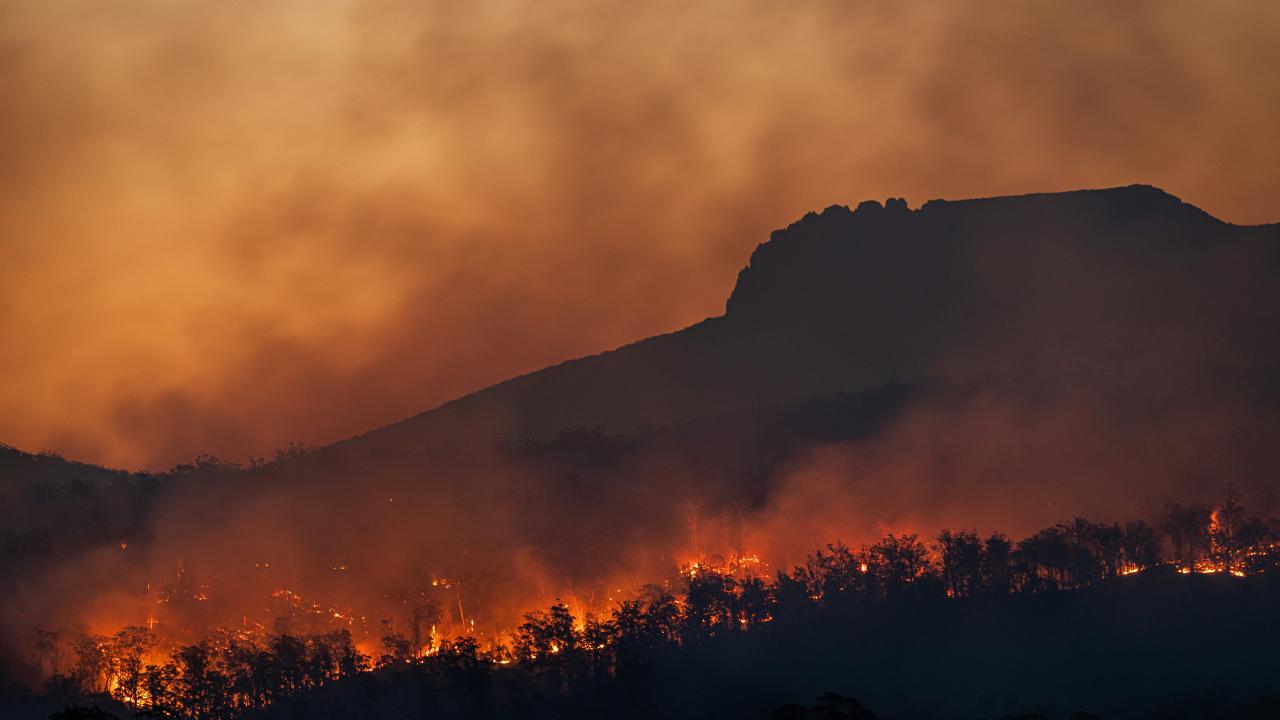
TasFarmers says a recent report analysing the growing threat to Australian communities by urban fires fuelled by a changing climate only tells half the story.
The report by the Climate Council and Emergency Leaders for Climate Action reveals that at least 6.9 million Australians living in or near capital cities are increasingly at risk from fires.
TasFarmers president Ian Sauer said the organisation had been pushing for a holistic, science-based approach to bushland management, including enhancing biodiversity, sequestering more carbon, and significantly reducing fire risk.
“The evidence is clear: the climate is changing,” Mr Sauer said.
“We are witnessing significant variations in climate, including soaring temperatures, low humidity, high soil dryness index and elevated winds, all of which contribute to conditions ripe for uncontrollable bushfires.”
However, Mr Sauer said the weather was only half the story.
“Every catastrophic fire incident in Australia can be linked to excessive fuel loads.
“High fuel loads lead to massive, uncontrolled fires that wreak havoc on our ecosystems, destroy homes, displace communities, and kill livestock and native animals.
“This pattern is evident worldwide, yet we struggle to learn from these devastating events.
“Areas throughout Tasmania, including both rural and urban regions, face imminent threats from wildfires, and it is not a matter of 'if' but 'when' these fires will strike.”
While he believes Tasmania has proactive fire management strategies - including the Fuel Reduction Program, the Red-Hot Tips initiative and the State Fire Management Council's strategic fire advice service – Mr Sauer said more action was needed.
“We urgently need increased fuel reduction burning, collaborative cross-tenure burning during winter, larger landscape burns, expanded community education, and, critically, a commitment to science-based community discussions regarding fire and bush management.
“Continuing with our current strategies in the confines of a changing environment and community attitudes is untenable and will lead to catastrophic consequences, resulting in devastated landscapes and irreversible damage.
“TasFarmers calls on the government, community, and stakeholders to unite in prioritising fire risk reduction measures by, but not limited to, expanding existing programmes and to engage in meaningful, science-based discussions that prioritise the safety of our communities and the health of our environment.”


Add new comment