
Tasmanian Lamb producers grappling with increased US tariffs
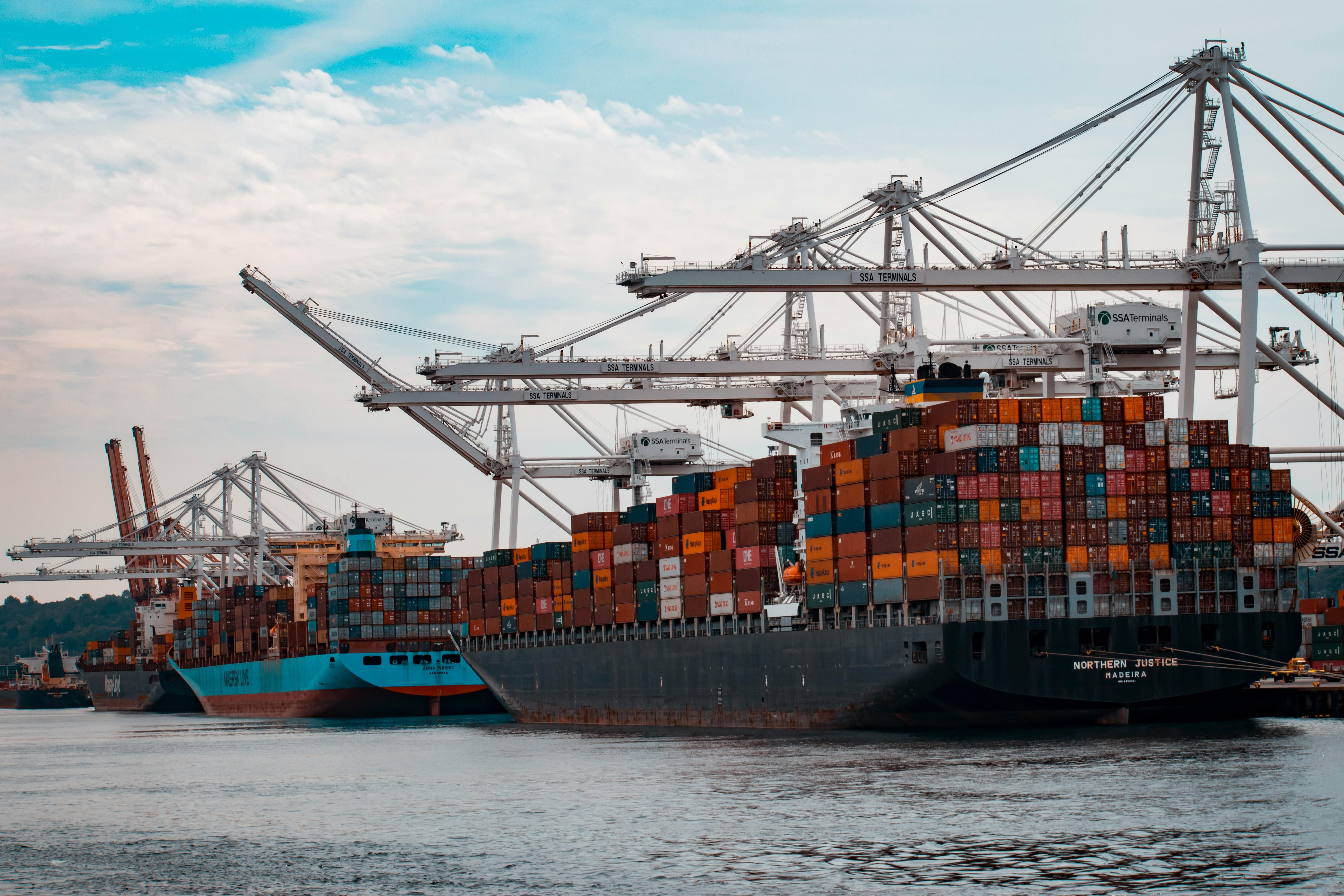
America has increased its tariff on Australian goods entering the United States from 10 to 12.5 per cent.
Australian beef remains exempt from the tariffs, but lamb, sheep and goatmeat will be affected.
Midlands lamb producer Georgie Burbury sends her meat to the export market.
“The increased tariffs will impact our competitiveness on a global scale, and anything that does that isn’t great,” Ms Burbury said.
“But I do see it as a reflection of what an amazing job that we’re actually doing at the moment producing a low-cost lamb product.
“I don’t see it as all bad; we just need to keep doing business as usual but also be mindful of continuing to keep our own cost of production low on farm.”
Ms Burbury said lamb was likely to be in short supply over the next few years.
“Prices are good, so everyone that’s been getting out of sheep has been getting back into it.
“If the national sheep flock increases, prices level out, and these tariffs continue, then there definitely will be an impact.”
TasFarmers CEO Nathan Calman said he was disappointed about the increased tariffs.
“Tasmanian produce is in high demand in the American market, and it is the American consumer that will pay the tariff on importation into America.
Mr Calman said that a 2.5 per cent increase was not super extreme.
“Given the current herd sizes of cattle and lamb in the US following challenging climatic conditions, we probably don’t anticipate demand for Tassie produce to decline as a result of the tariffs.”
While Tasmanian lamb is sent to the United States, beef is the state’s main export to America.
“Our lean trim is significantly in demand over there for the hamburger market where their trim is very fatty, so it’s a product that they can’t typically produce themselves easily,” Mr Calman said.
“Tarrifs never help anyone, but they always hurt consumers in the country that is imposing them.”




Add new comment