
Ukraine war fills silos
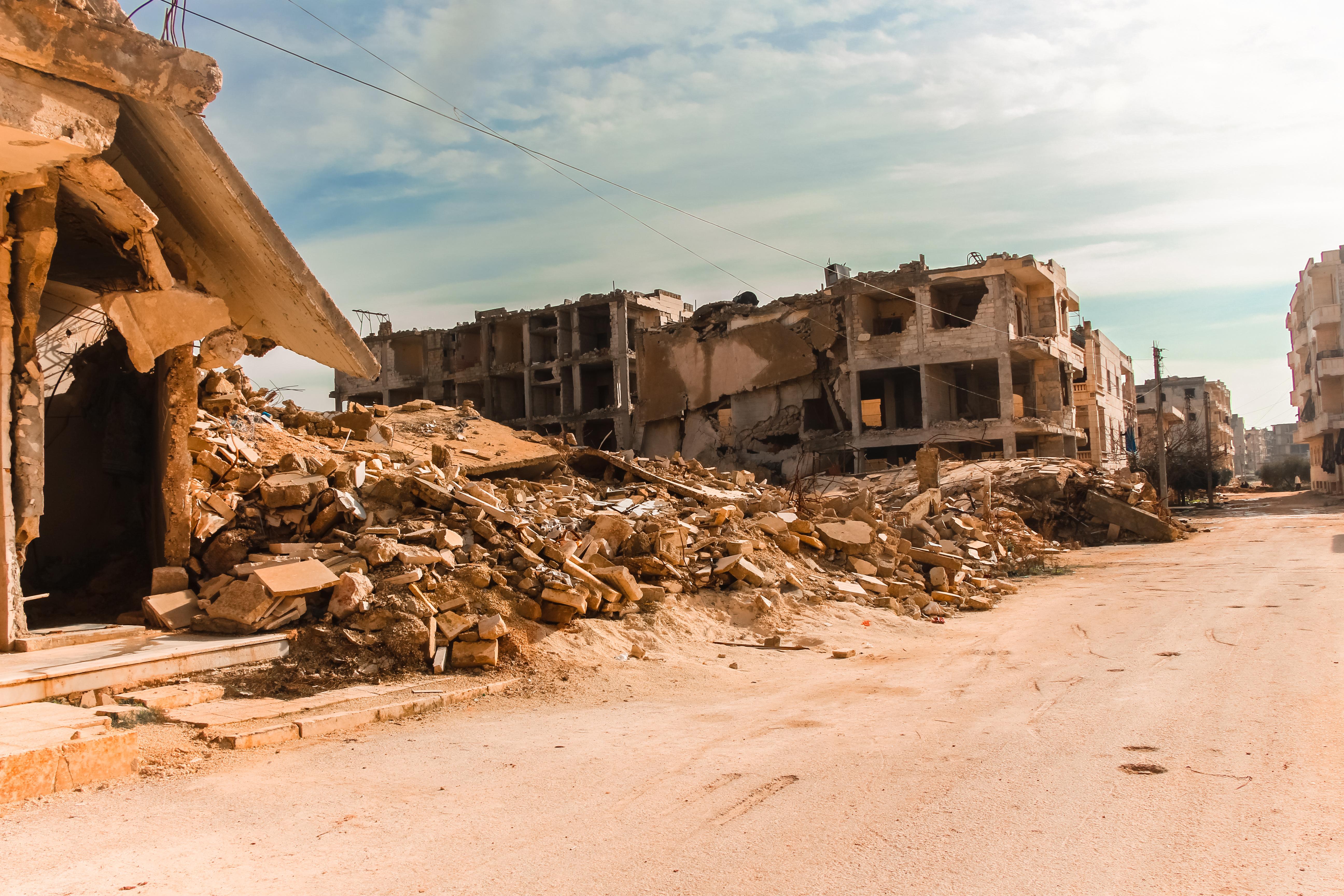
UKRAINE’S farmers are enduring the peculiar misery of producing a decent crop they cannot readily sell. Renewed attacks around Black Sea infrastructure have caused agricultural exports to plunge and silos are filling while the wheat harvest is still under way and corn is coming next. One estimate puts the potential storage shortfall at 11 million tonnes. Farmers who survived occupation, mines, missiles and fuel shortages now face another threat: no cash from this year’s grain to pay for planting next year’s.
Grains of truth
There may be plenty of talk about a “super” El Niño, but European farmers need no climate model to tell them it is dry. French analysts are warning the maize harvest could fall to its lowest level since 1976 after brutal heat and soil drought hammered non-irrigated crops. Germany also expects maize production to fall, while some French growers are abandoning grain and chopping crops early for fodder. Poland, which caught better-timed rain, could emerge as the European Union’s biggest maize producer.
Cows come home
The romantic picture of dairy cows spending summer on lush alpine pasture has taken a battering this year. Heat and lack of rain in Austria have left high-country pastures short of feed and water, forcing some farmers to bring cattle home early and start feeding winter fodder months ahead of schedule. Others are cutting numbers instead, contributing to long waits at slaughterhouses. Austria is also expecting its grain harvest to be about 19 per cent smaller.
Hard time for Brits
Britain’s prolonged drought has put cereal growers on course for what may be their poorest harvest since detailed records began in 1984. Provisional estimates have wheat averaging about 6.8 tonnes a hectare, with barley and oats also struggling. The expected cereal and oilseed crop of about 19.5 million tonnes would even undercut the miserable 2020 season. Australian grain growers occasionally complain about weather, but the British appear to have managed something particularly dispiriting this year: drought without the consolation of Australian sunshine.
Tariff tussles
The United States and Canada have been negotiating furiously ahead of threatened new US tariffs, with agriculture among the sensitive issues. Canada’s dairy supply-management system remains one of Washington’s longstanding complaints, while Saskatchewan’s grain-growing economy has plenty at stake in a wider trade confrontation. Whatever emerges will be watched well beyond North America.
Moonlight farming
THE working day is being turned upside down on some Japanese farms as growers try to escape increasingly dangerous summer heat.
Flower grower Motoaki Iijima, north of Tokyo, now harvests gerberas at night after a worker suffered heatstroke inside a greenhouse where temperatures can exceed 40C. Other farmers are starting before dawn, while some poultry producers are even altering feeding times so hens eat during the coolest part of the day.
The problem is particularly acute in Japan because about 70 per cent of its farmers are aged 65 or older. Reuters reports 59 agricultural workers died from heat-related causes in 2024, twice the number three years earlier.
Iijima said there was little choice but to adapt.
“This is not something we can overcome with willpower,” he said.
The Japanese Government is encouraging greater use of automation and so-called smart farming technology, but for many producers the immediate solution remains decidedly low-tech: work when the sun doesn’t.



Add new comment