
More water for the Northern Midlands
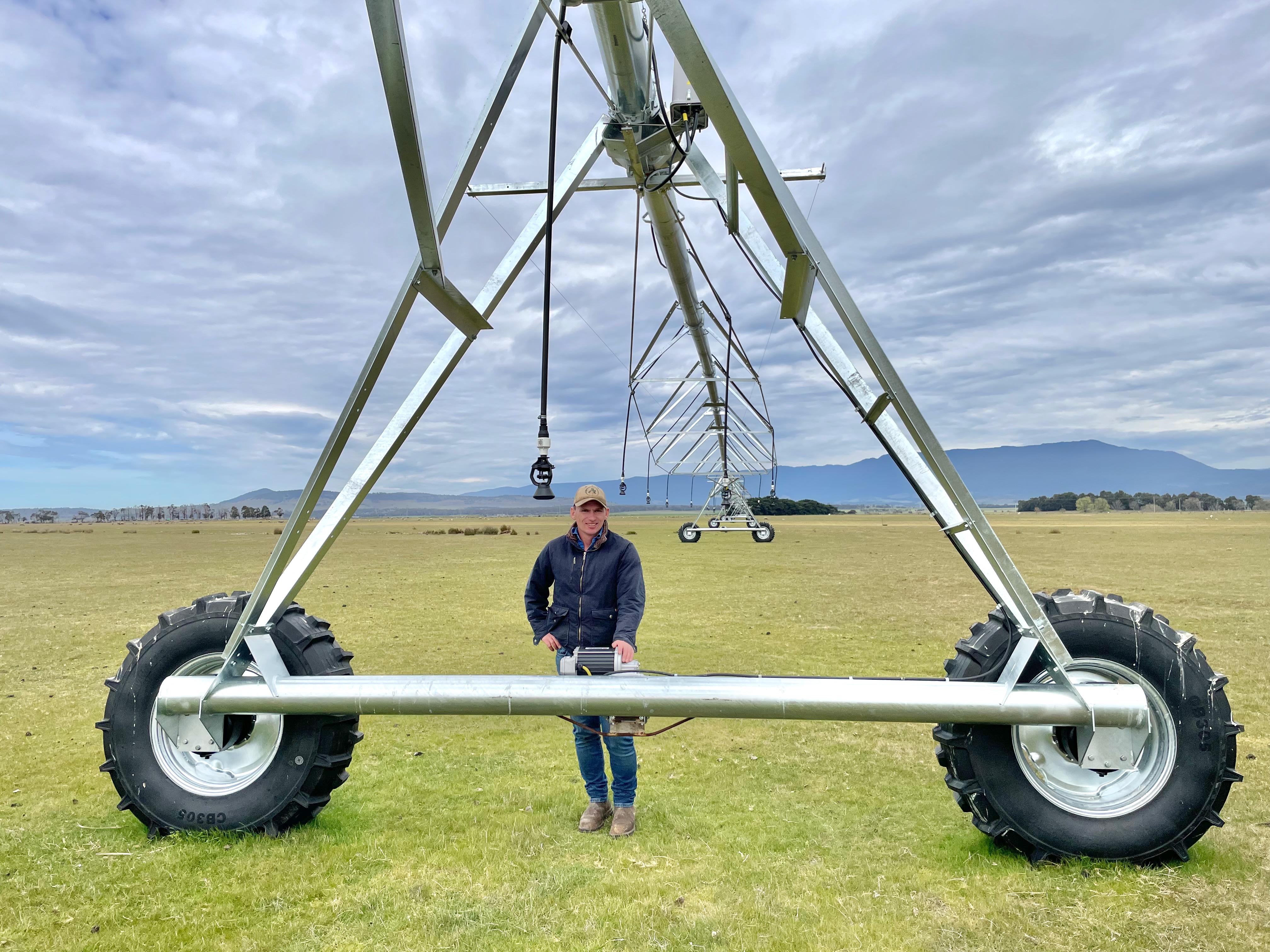
Farmers have today turned the tap on water from the Northern Midlands Irrigation Scheme and the unseasonally dry ground is ready to soak it up.
The $217.96 million project is the largest irrigation scheme in Tasmania to date in terms of capital value and summer water delivery capacity and will provide 25,500 megalitres – or 25.5 billion litres - of highly reliable irrigation water each year to approximately 50 irrigators across the Northern Midlands.
Almost the full entitlement has been allocated to irrigators since construction began in September, 2024, with the Irrigation Tasmania project involving hundreds of workers, contractors and suppliers.
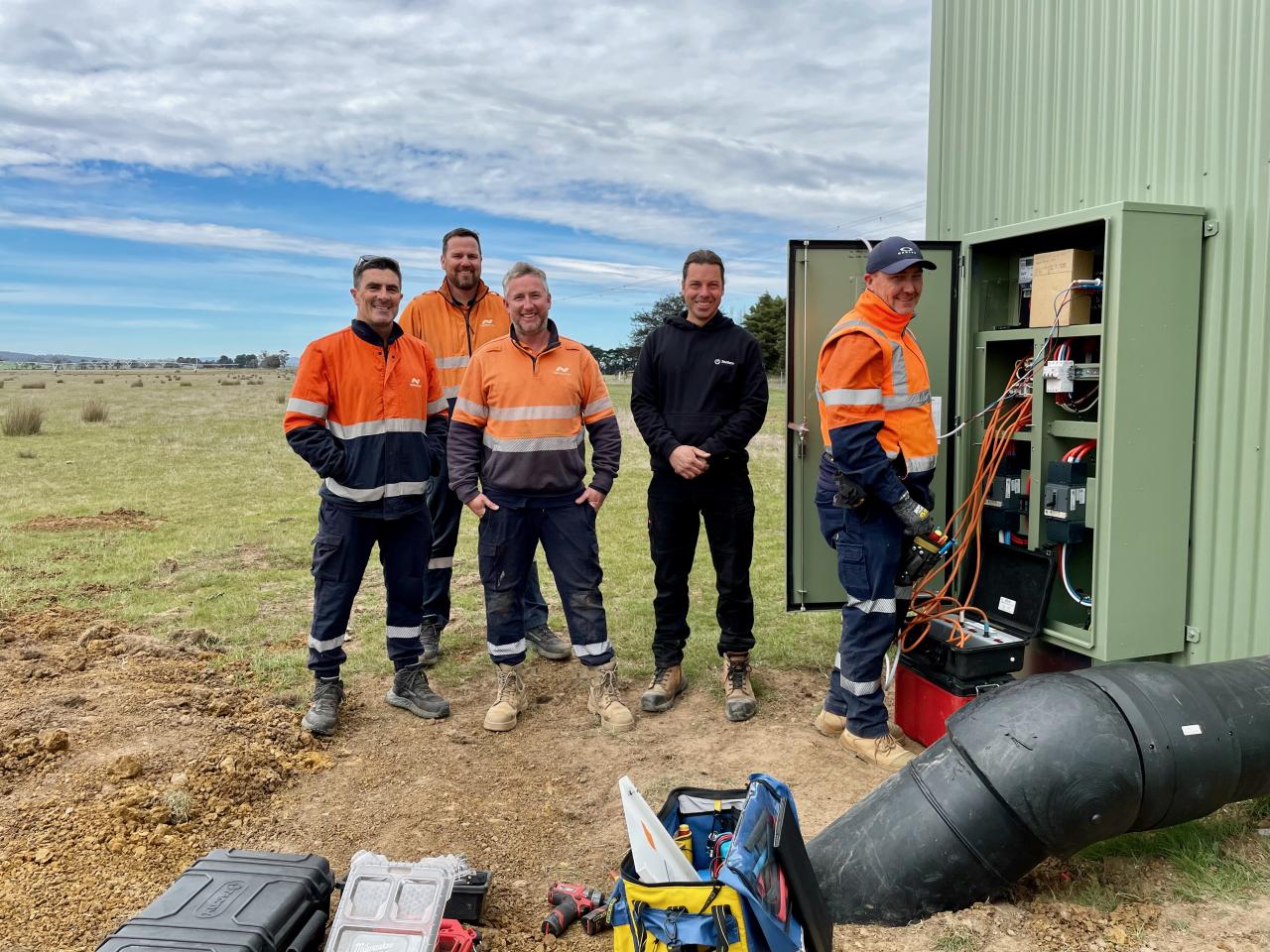
Electrical engineers this week finalised power connections to farms in readiness for the October 1 launch.
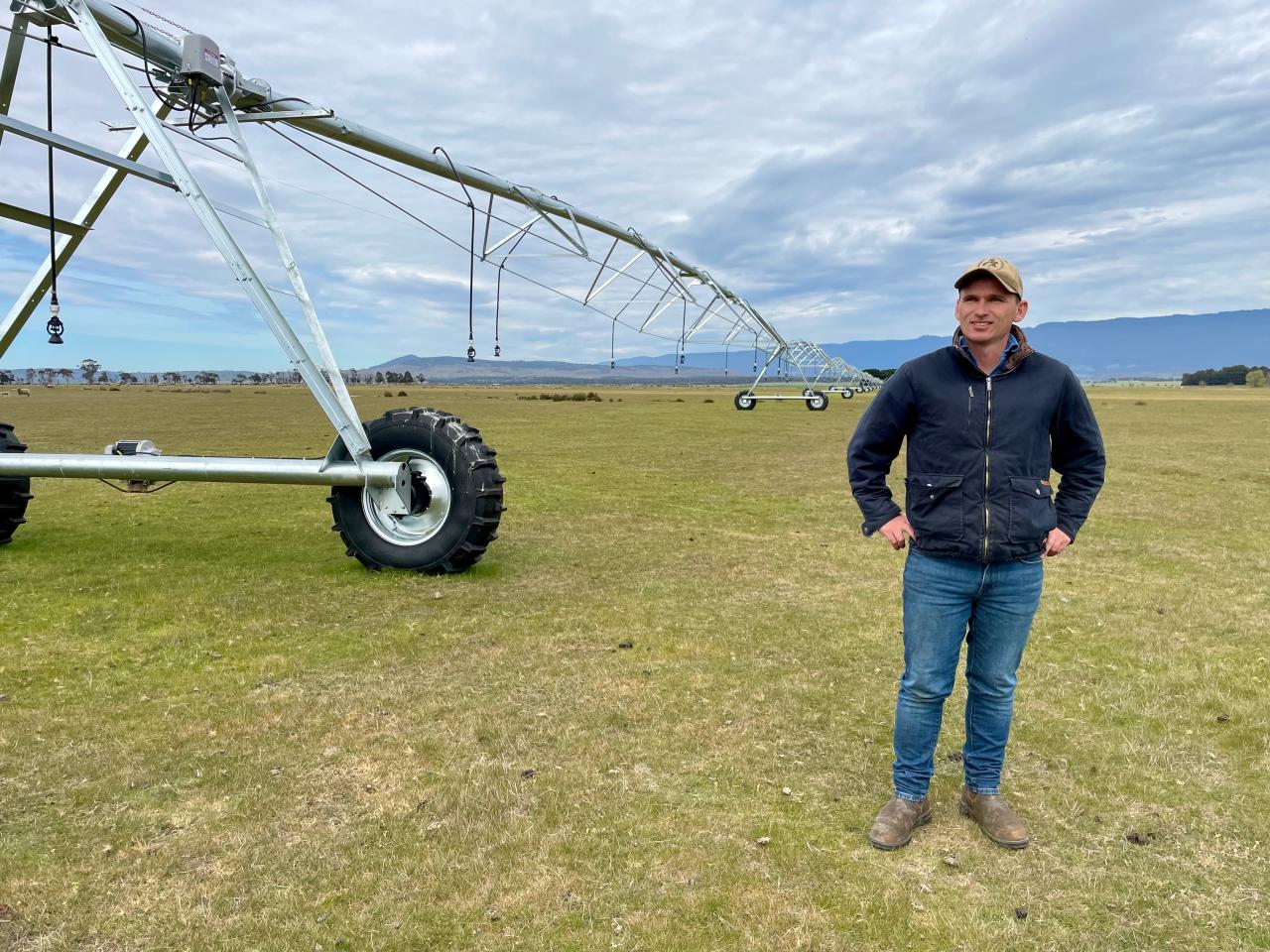
New irrigators at the Downie family’s sheep and cattle farms, Fairfield, Leverington and Lincoln Park, are at the ready.
Having received 250mm of rain this year, about half the normal total, farm manager Alex Downie said that he’s desperate to get some feed growing so he can hang onto his Merino breeding stock, which are currently lambing crossbreds for the lucrative meat market.
“My dad’s been a big advocate and investor in water all of his farming life and when I came back to the farm 16 years ago the opportunity was presented to have secure water that would create more options for the future,” he said.
“We’ve had enough to just get by from Lake Leake Water and the privately-owned Macquarie Settlement Scheme, which has been particularly successful, but this is a real game-changer - you can’t have too much water.
“It’s so dry at the moment - for now it’s about survival and keeping our breeding stock alive - and under these new pivots that’s what will happen.”
The Downies have added four new pivots that will allow them to grow feed to fatten more cattle or run a dairy.
The future for the region could see far more horticulture, dairy and grain crops emerge - changing the agricultural landscape like never before.
TasWater chief executive Mike Sylvester said the Scheme is about more than pipes in the ground.
“It’s about water security for generations of Tasmanian farmers,” he said.
“We know how keenly farmers have been anticipating the first flow of water from the scheme, and I’m pleased to report that it is operational for the 2026/27 summer irrigation season.”
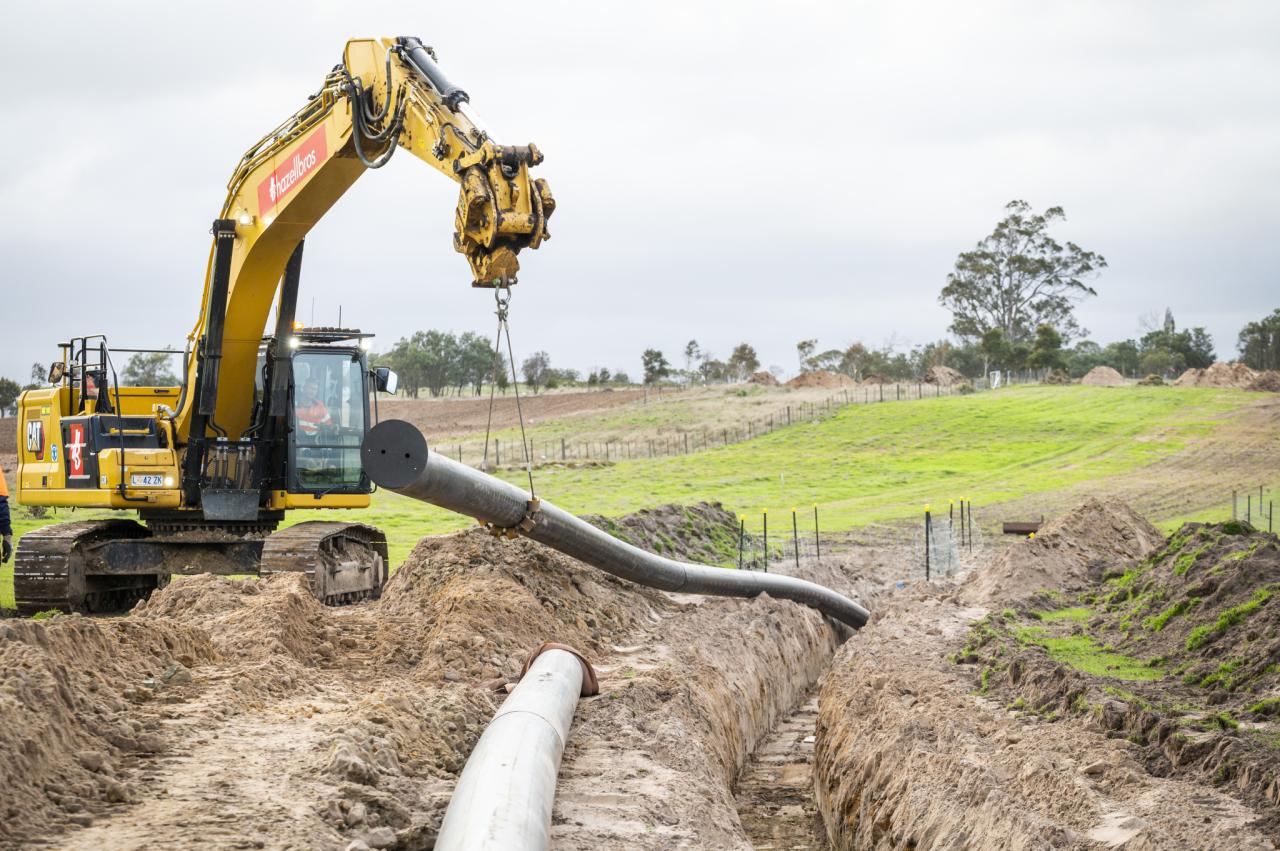
The 152.4 kilometres of underground pipeline and supporting infrastructure, including one pump station, two boost pump stations and one buffer dam, will deliver water across the Macquarie, Barton, Conara, Campbell Town, Ross and Lower Isis Valley areas of the Northern Midlands.
The scheme begins operating at an important time, with Tasmania having experienced its driest August in 44 years and some parts of the Northern Midlands receiving less than one-third of its average August rainfall.
The Bureau of Meteorology’s spring outlook also indicates below-average rainfall is likely to continue while temperatures are likely to be above average across the State.
“These conditions reinforce the importance of highly reliable irrigation water,” Mr Sylvester said.
“This scheme will give farmers greater confidence to manage seasonal risk, diversify production and invest in their businesses.”
Alex said it had been a long process to get the irrigation online with years of planning, starting with the clearing of trees on the farm which alone took 12 months of paperwork and approvals through the Forestry Practices Authority.
“Then we had to do the clearing, ground preparation and order the pivots and set them up - there’s nothing cheap about irrigation but it’s a long-term investment that we think will pay off.
“About 13km of the pipeline actually runs through our farm and it will be interesting to see what PSI we get in the pivots when they’re all running, ideally about 70 or 80.”
The Northern Irrigation Scheme is jointly funded by the Australian Government through the National Water Grid Fund ($108 million), the Tasmanian Government ($72.26 million) and Tasmanian irrigators ($36.72 million) through water-entitlement purchases.
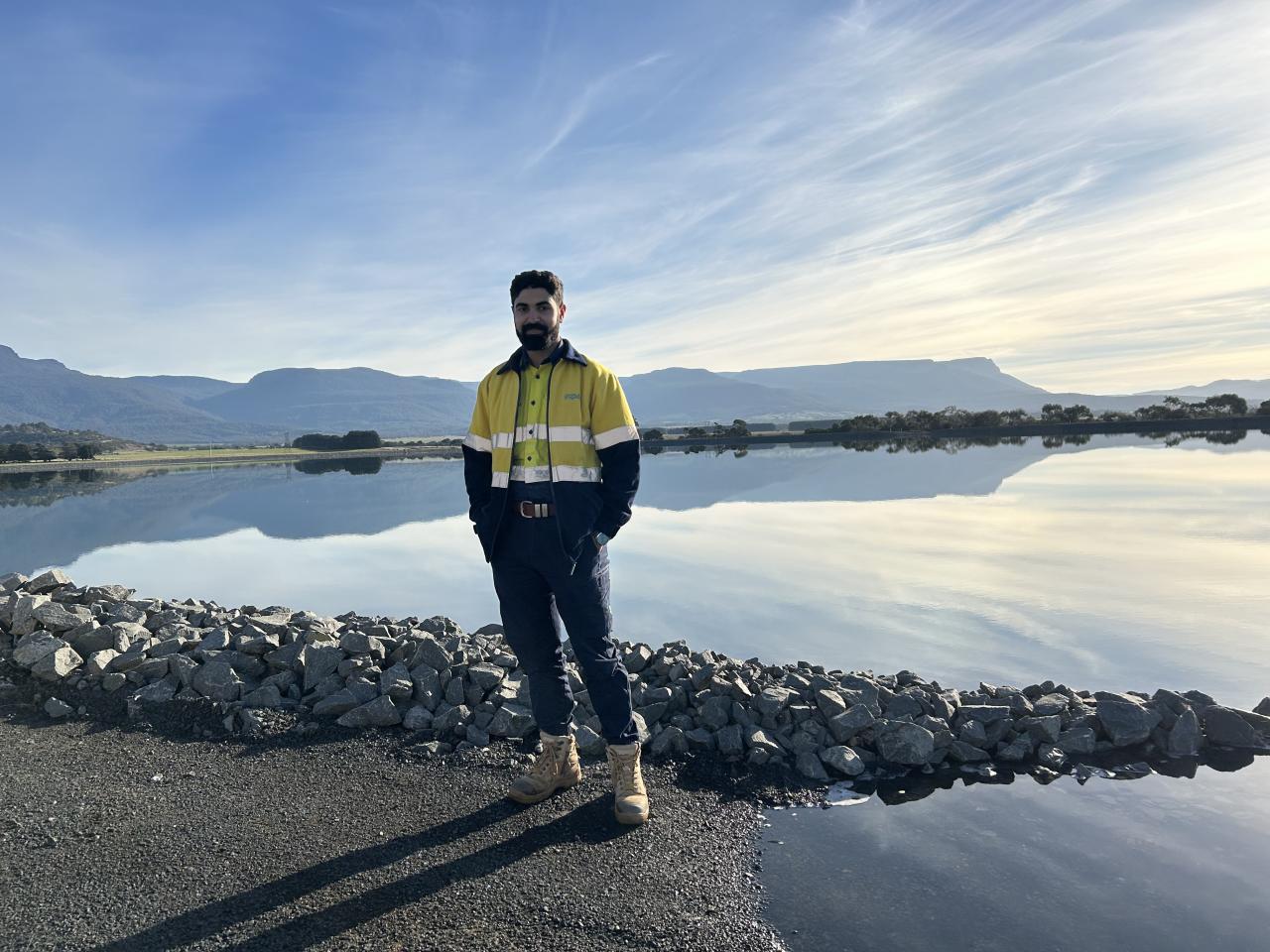
More water to come
Tasmanian Irrigation continues to progress through a large pipeline of infrastructure projects that will enhance water security, agricultural productivity and regional economic development across Tasmania.
The Northern Midlands Irrigation Scheme has been commissioned, major construction activity is underway on the Sassafras Wesley Vale Irrigation Scheme Augmentation (SWISA), and detailed design is underway for the Greater South East Irrigation Scheme. Planning is also progressing for the next generation of irrigation developments under the Tranche Three program.
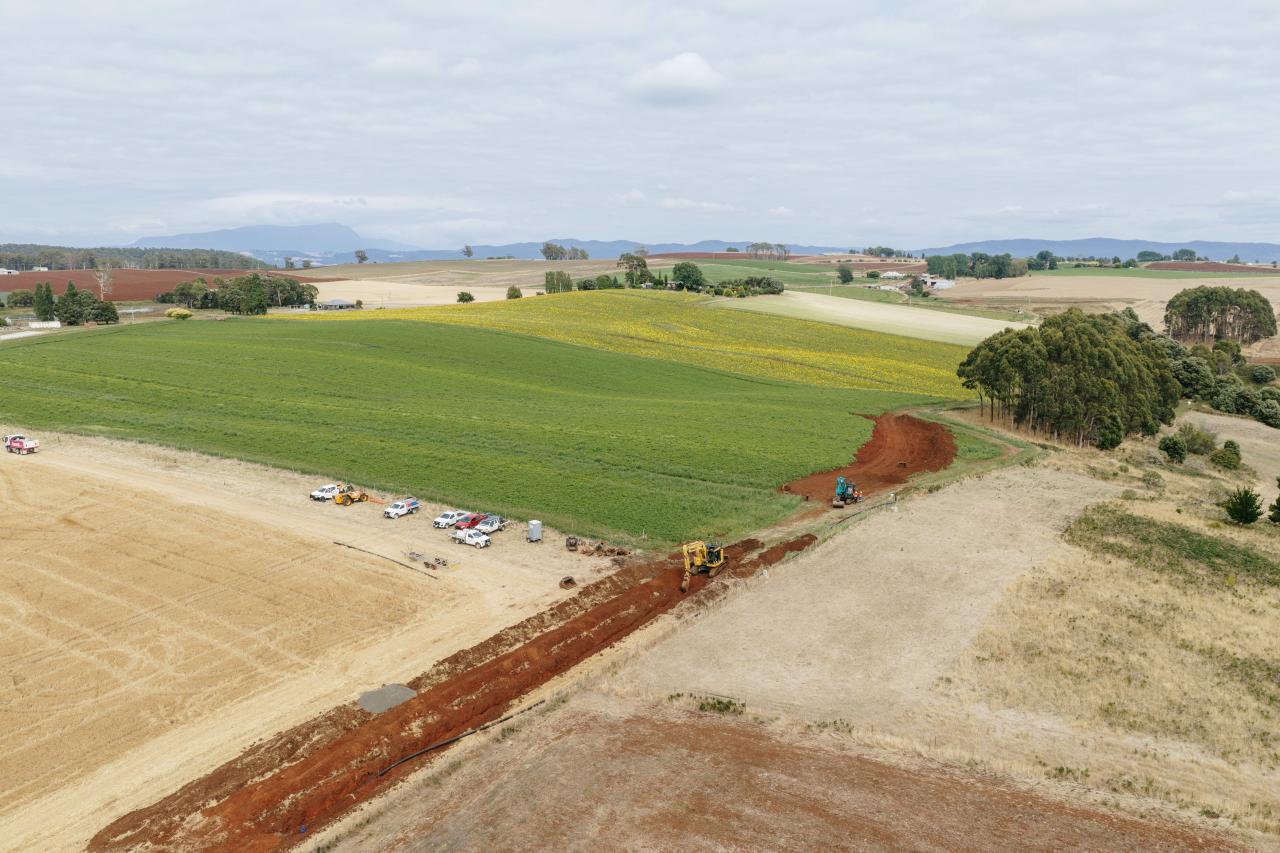
Sassafras Wesley Vale Irrigation Scheme Augmentation (SWISA)
North-West farmers are patiently watching the construction of the Sassafras Wesley Vale Irrigation Scheme Augmentation, set to enhance what is already one of the most productive agricultural areas in the state.
With approximately 40 kilometres of pipeline now installed from a total network length of 102 kilometres the $124.2 million project will increase irrigation capacity by 9,200 megalitres, taking the total scheme capacity to 14,860 megalitres and supporting 94 irrigators.
A key focus is refurbishment of the Great Bend Pump Station: all four of the new pumps have been installed, making sure the scheme is ready for delivery of water to the existing Sassafras Wesley Vale Irrigation Scheme, while construction of the larger SWISA continues.
SWISA is made more complex because of the threatened species that exist within the project footprint and extensive environmental management activities continue alongside construction.
Specialist ecologists, freshwater experts and arborists are working ahead of construction teams to protect sensitive environmental values, including threatened species and significant habitats.
The augmentation has been funded by the Australian Government ($62.1 million) through the National Water Grid Fund, the Tasmanian Government ($31.05 million) and irrigators ($31.05 million) through the purchase of water entitlements. First water is expected to be delivered in late 2027.
Greater South East Irrigation Scheme (GSEIS)
The Greater South East Irrigation Scheme remains one of Australia's largest regional water infrastructure projects and is expected to deliver substantial agricultural benefits across Southern Tasmania.
The project continues to advance through planning, environmental assessment and detailed design activities.
Significant work is underway to support project approvals and design development, including environmental, cultural heritage and engineering investigations, landholder engagement, and geotechnical works at the proposed Lake Meadowbank pump station site.
The project includes approximately 160 kilometres of pipeline, four pump stations and delivery of up to 37,200 megalitres of irrigation water to around 375 irrigators.
The GSEIS is funded by the Australian Government (150million),theTasmanianGovernment(75 million), and Tasmanian irrigators through purchase of water entitlements ($75 million).
It will be followed by work in the north of the state on the Tamar Water Scheme which is designed to increase the reliability of water available on existing and new enterprises in the Tamar region near Launceston and facilitate expansion of agricultural activity and conversion to high value commodities.
The Tamar Water Scheme also presents an opportunity to develop infrastructure that services uses broader than irrigation, including unlocking industrial development in Bell Bay.
Also looking to the future of water reliability in the state, Tasmanian Irrigation is preparing to begin pre-feasibility investigations for three potential schemes in the north of the State - Harcus, Detention and Flowerdale.
These investigations will assess current demand, identify reliable water sources, consider delivery options and determine the viability of each project. Community and landholder engagement will form a key component of this work.
Together with the Southern Midlands Irrigation Scheme, these projects represent the next stage of Tasmania's irrigation development journey, building on the success of existing schemes and helping to strengthen the resilience, productivity and prosperity of Tasmania's agricultural sector.
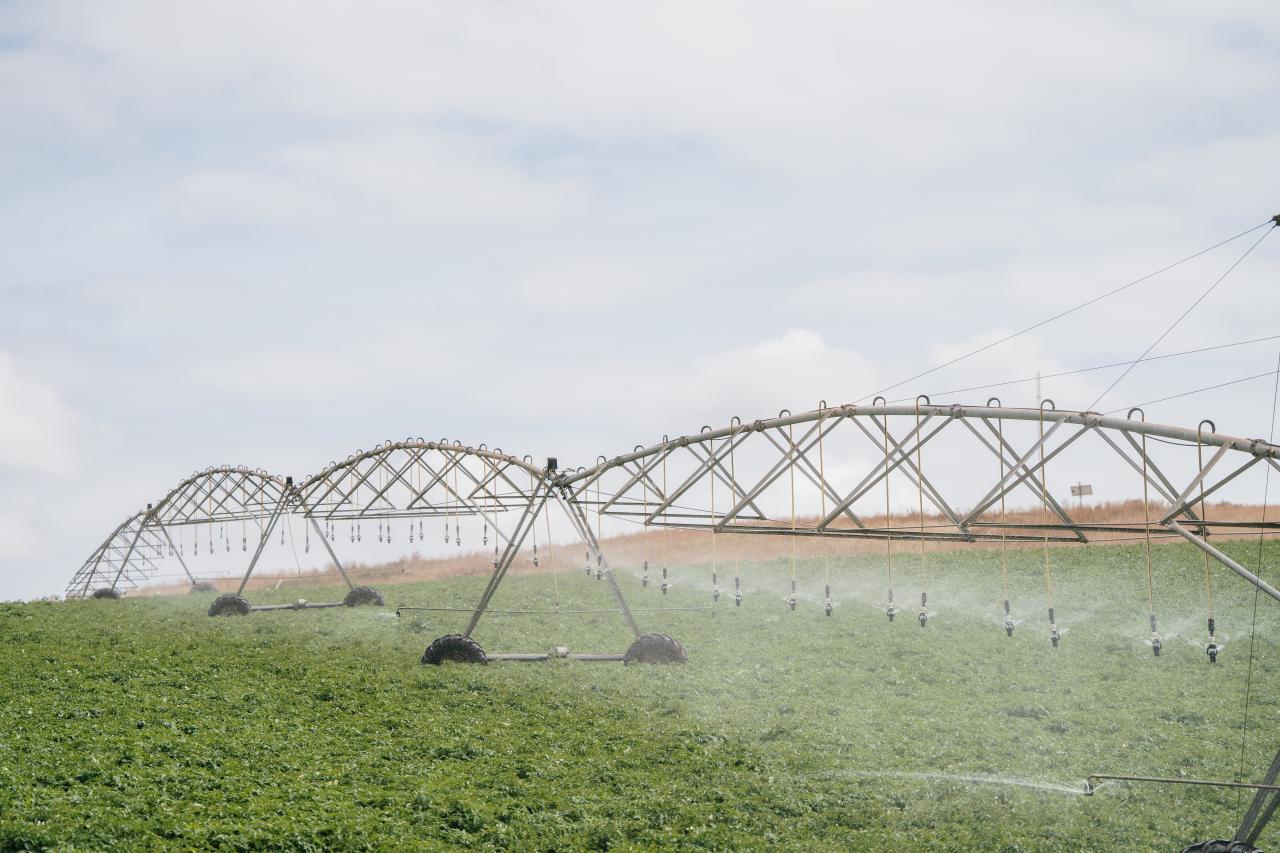
Harcus Irrigation Scheme
The proposed Harcus scheme is located within the Circular Head municipal area and is intended to support agricultural production in the Woolnorth district. Earlier concept work identified seasonal demand of approximately 8,020 megalitres and considered capturing winter flows from the Welcome River into a proposed 9,000-megalitre storage at Jims Plains.
The project has not yet entered prefeasibility and will undergo fresh investigation to reassess irrigator demand, potential water sources and delivery options. Tasmanian Irrigation expects this work to build on previous water security studies undertaken by TasFarmers in the Marrawah-Redpa region.
Detention Irrigation Scheme
Also located within the Circular Head region, the proposed Detention scheme would support dairying, pasture and cereal production. Preliminary investigations suggest a dedicated irrigation scheme could increase irrigated area, support diversification into higher-value agriculture and improve water trading opportunities between properties.
Flowerdale Irrigation Scheme
The Flowerdale scheme is proposed within the Waratah-Wynyard municipal area.
Upcoming prefeasibility work will reassess demand from potential irrigators, investigate suitable water sources and delivery options, and determine whether a viable irrigation scheme can be developed.
Southern Midlands Irrigation Scheme
The Southern Midlands Irrigation Scheme, together with the North West projects, has been identified as a significant opportunity to improve long-term water security, support agricultural diversification and enhance regional economic growth. Strong demand for reliable irrigation water continues to be evident across the Southern Midlands region.




Add new comment