
Rare engines wind their way back home
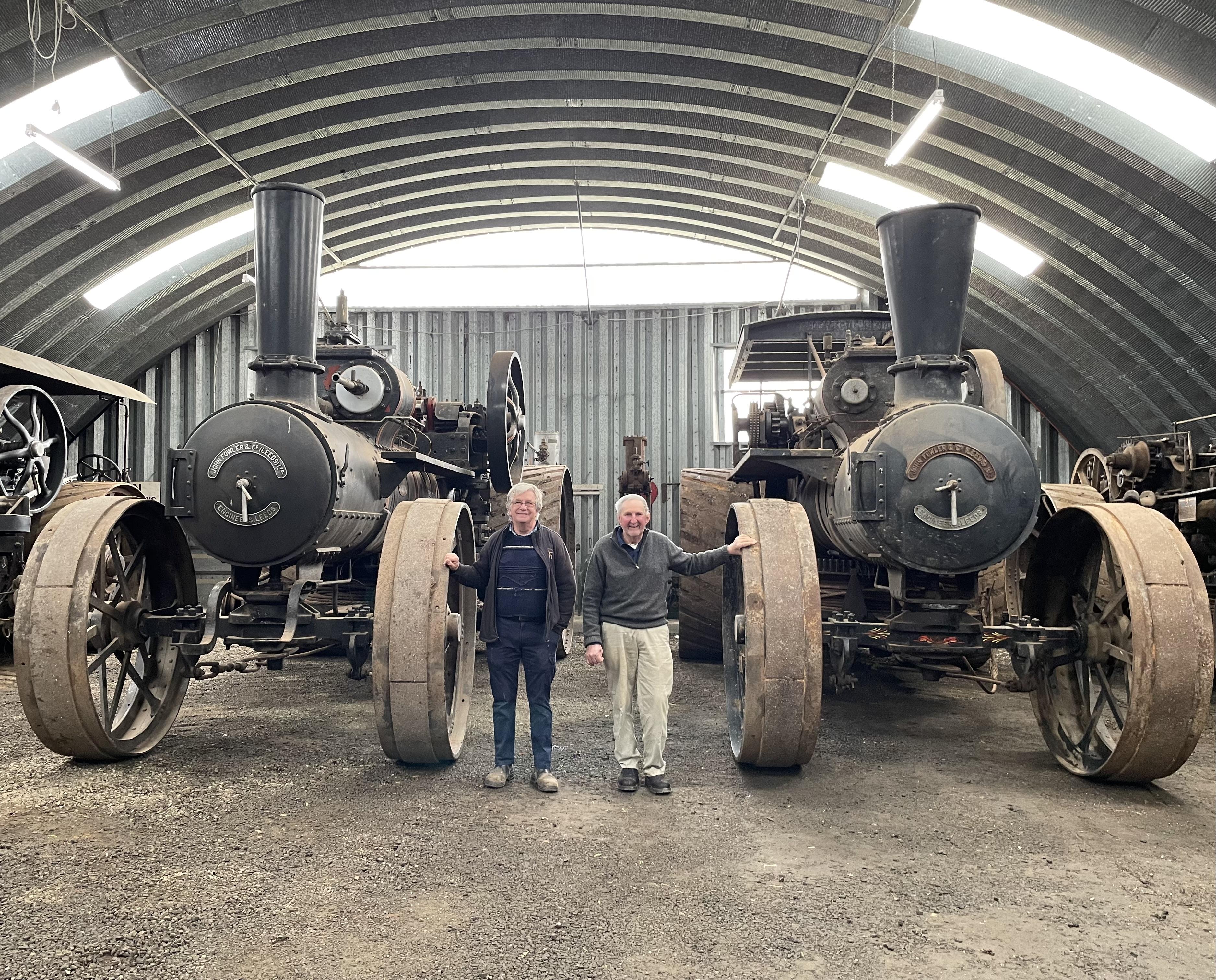
A pair of 100-year-old steam engines have come back home after 50 years interstate and are proudly on display at Pearn’s Steamworld Museum in Westbury.
The two engines, built in 1926 by John Fowler & Co in Leeds and named ‘The Lion’ and the ‘The Lioness’ are believed to be the last known pair of Fowler winding engines under the same ownership anywhere in the world.
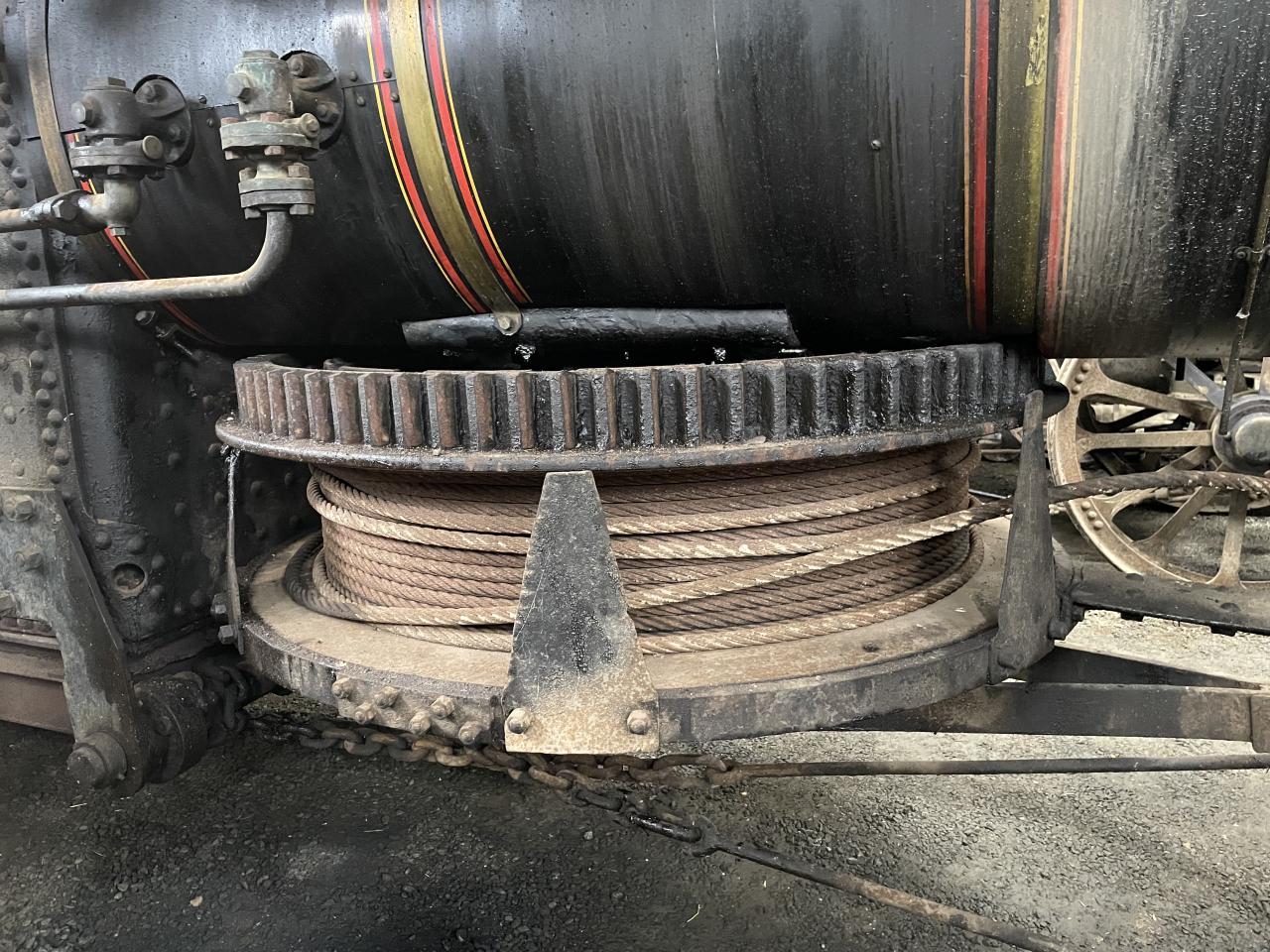
Built for tilling paddocks and clearing thick bushland by pulling a plough from one side of an area to the other on a wind-up cable, they went on to be used for many other purposes, including being used in the last significant infrastructure project undertaken by steam power in Australia.
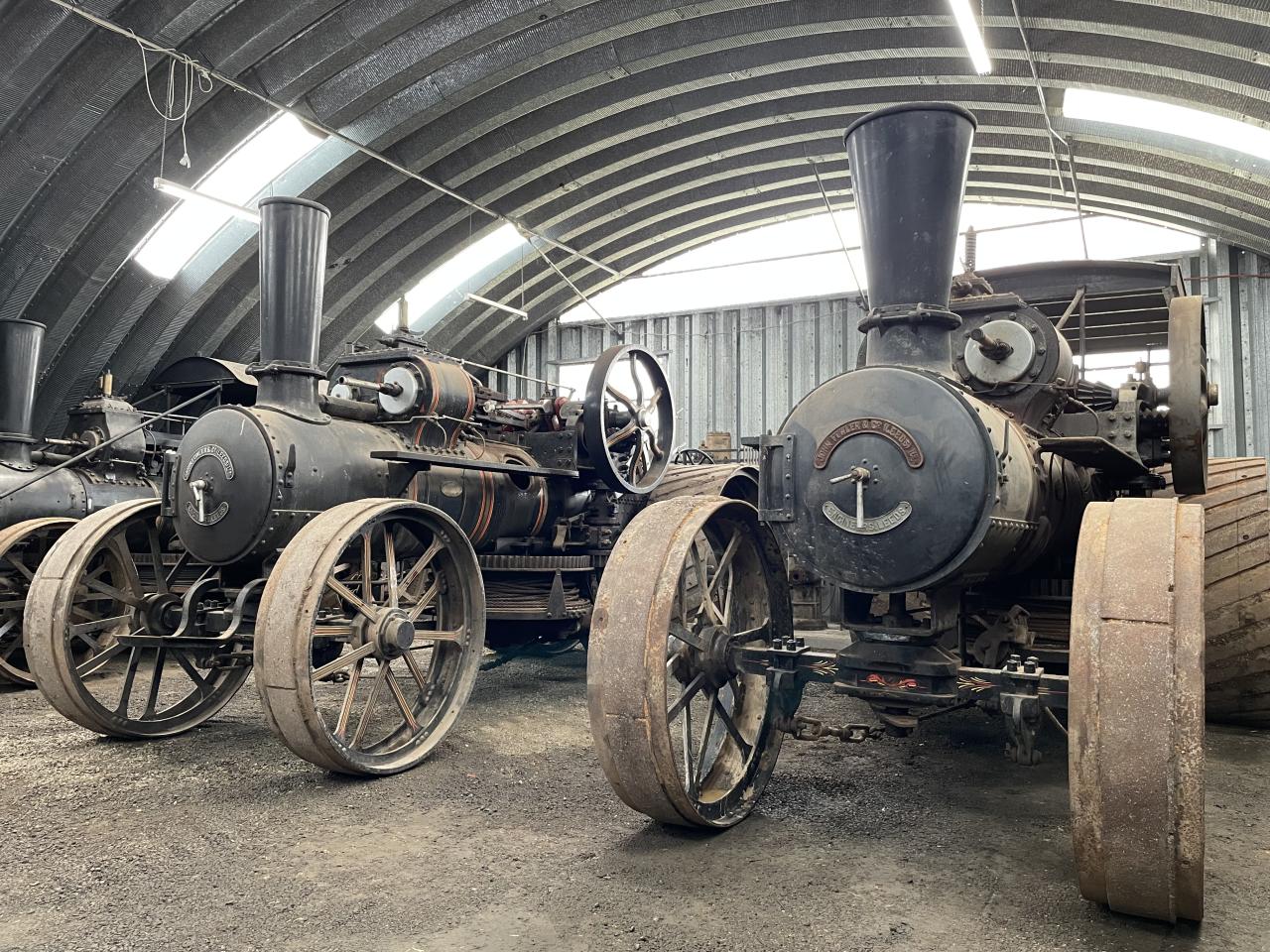
They had the job of dredging the Tailrace waterway at Riverside, Launceston, to allow water from the Trevallyn Power Station to return to the Tamar River.
The engines have survived to the present day despite many being melted down during WWII for ammunition and the Westbury Preservation Association, which runs Pearn’s Steamworld, couldn’t be more pleased.
Association president Brenton Heazlewood said the traction engines were built as a pair, they worked as a pair and despite having three different owners while on the mainland for half a decade, they’re still together.
“The whole operation to get them back from Camperdown in Victoria cost more than half a million dollars so a considerable grant was vital assistance,” Mr Heazlewood said.
“Gradco loaded them onto two trailers and one came via Searoad and the other on the Spirit, both arriving on Monday and they were in place in the museum by Tuesday.”
The Lion and Lioness, which weigh 24 tonnes each, now sit alongside another pair of winding engines sold by Lunnicks.
The National Cultural Heritage Account was established to assist Australian cultural organisations to acquire significant Australian cultural heritage objects for display and safekeeping.



Add new comment