
Fertiliser scarcity in Tasmania amid Middle East conflict
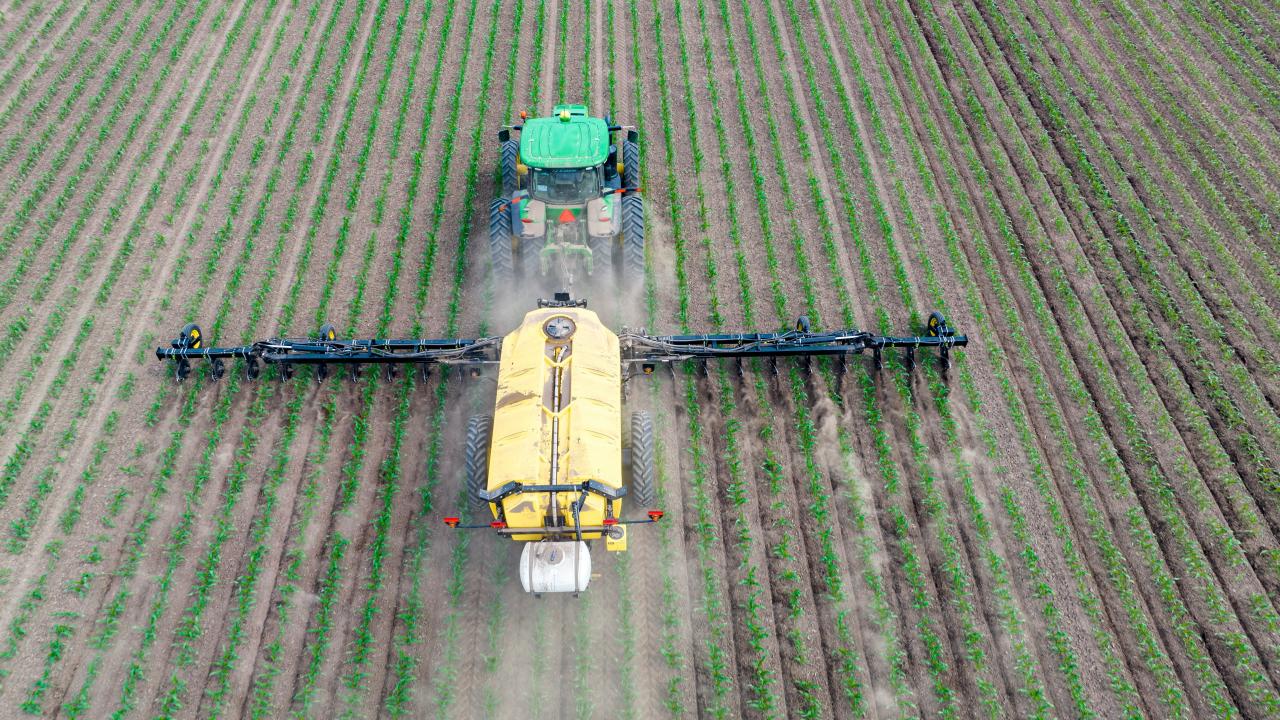
Tasmania has received its last shipment of urea-based nitrogen fertiliser for the foreseeable future and within four days the 7000-tonne shipment was sold.
The ship docked in Hobart last week and the state’s main distributors pounced.
Nutrien Ag Solutions is believed to have bought the majority while Impact Fertilisers, which also supplies Incitec Pivot, took the rest.
Muirs is also supplied by Impact and is waiting to see if there’s any left, and at what price, before fulfilling its back-to-back contracts with farmers.
Muirs national fertiliser manager Yannik Heller, based at Longford, admitted he would have liked more off the ship but was pragmatic about the situation.
“We are at the mercy of what imports come in and no-one predicted this would be the last for a while – there was a bit of panic buying because we’ve never had this happen before,” he said.
“When you consider that some farms would use around 1000 tonnes of urea you realise it doesn’t go very far and everyone’s going to be trying to do the best for their growers.”
Mr Heller said that on a positive note, Tasmania’s later spring season compared to Victoria and New South Wales means there is greater chance of fertiliser getting back through to Tasmania before the peak sowing season.
In a report on the agricultural impact of the conflict on the Middle East by Nutrien Ag Solutions’ Ethan Woolley last week, the direct threat to infrastructure, staff and systems that are used to transport products from manufacturers to transport hubs was made clear.
He said that Middle East Granular Urea “Free on Board” (FOB) futures price increased 35 percent from the end of February to $920.12 (US$655) per tonne by March 10 as a reaction to uncertainty around access to supply.
Since then urea prices have shot up by more than 60 per cent.
Prices when the boat arrived were about $1400 per tonne retail and was expected to be in excess of $1650 this week.
“For Australia, the Middle East region is the origin of an estimated 68 percent of annual urea imports,” Mr Woolley said.
“The key pieces of uncertainty clouding the Middle East-sourced product is both short term production capacity and access for vessels to load and leave with product. Until there is more certainty on this, pricing and delivery timelines will remain volatile as the global marketplace adapts.”
Campbell Town farmer George Gatenby said that he was lucky to have locked in his year’s supply on February 28 – the day that US president Donald Trump authorised the bombing of Iranian nuclear and military facilities.
The reaction of Iran in closing the Strait of Hormuz has hit farmers especially hard hit with rising fuel prices and disruption to supply of the cheapest available nitrogen, phosphorus and potassium fertilisers, feed additives, grain and oilseeds.
Australia’s sheepmeat and beef exports to the Middle East have also been severely disrupted.
“I locked in at $830 and it was delivered for $915 and the last lot arrived today,” he said on Wednesday.
“Since I locked in a price in February fertiliser had jumped up by about $600 per tonne. But the reality is there is no more urea available.”
TasFarmers has warned that surging farm fertiliser prices could push food costs higher and deepen economic pressure.
TasFarmers present Ian Sauer said fertiliser costs were one of the most critical decisions farmers make when planning crops, and sharp increases can directly affect whether planting proceeds.
“When fertiliser gets to a certain price point, farmers simply won’t put crops in,” Mr Sauer said.
“Companies supplying fertiliser will clip the ticket harder than they normally do, and both farmers and consumers will end up paying.
“If the price becomes prohibitive, production drops. It’s as simple as that.”
Mr Sauer warned that reduced planting would inevitably flow through the food supply chain, increasing prices for households already grappling with cost-of-living pressures.
“The equation is simple, food prices rise, inflation rises, interest rates rise,” Mr Sauer said.
“If interest rates go up too fast, banks start foreclosing on loans. Once that starts happening, you’re walking to the gates of a recession.”
Mr Sauer said farmers were also increasingly concerned about wider supply chain pressures, including fuel, chemicals and spare parts, which underpin food production.
TasFarmers is calling for greater transparency in agricultural input markets and stronger oversight during periods of global disruption to prevent excessive price increases.
“In extraordinary times, we’ve seen two things, panic buying and price gouging,” Mr Sauer said.
“The government needs to ensure the ACCC has processes ready to prevent gouging and ensure markets remain transparent.”
Mr Sauer said the current situation should serve as a case study for governments and industry to strengthen supply resilience for critical agricultural inputs.
“We need governments and industry to sit down and plan for these disruptions before they happen next time,” he said.
“If we want food security in this country, we must ensure farmers can access the fuel, fertiliser and transport they need to keep producing.”



Add new comment