
Simplot bean growers agree on price
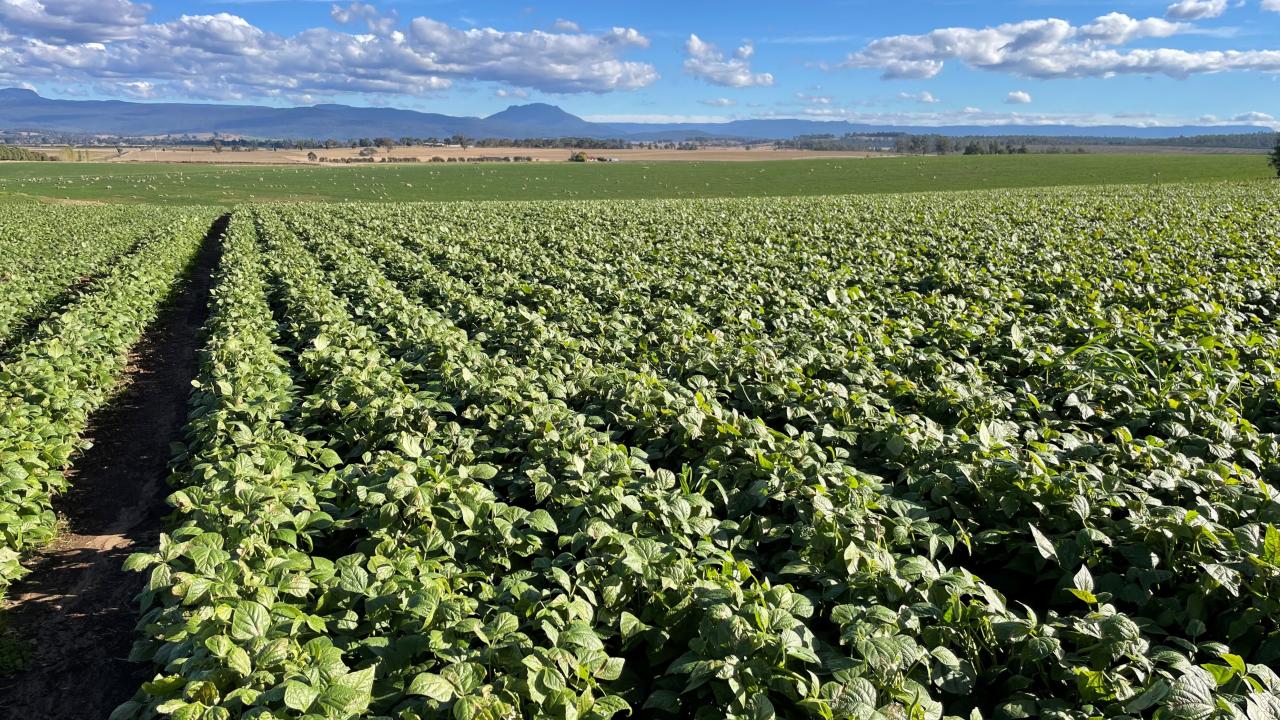
Simplot bean growers have reluctantly agreed to be paid the same price as last season despite increased production costs, as they grapple with the pressure of cheap overseas imports.
The TasFarmers Bean Committee, following several months of discussions with processor Simplot, has agreed that the price for all three varieties (Stanley, Whole and Yellow) remain at current levels for this season in consideration of higher volumes, the potential for increased yields and Simplot securing long term supply agreements with a major supermarket chain.
Gross margin for beans will remain at $2500 per hectare.
“This has been a difficult issue for growers, as we of course want to see a better return for the beans we grow and the business risks we take in committing land and money to grow them, but we also understand the benefit of consistent volumes in the longer term,” TasFarmers Bean Committee chair Nick Eyles said.
“There have been some small improvements in other contract conditions including increased recognition of rising costs, especially with irrigation and the inclusion of frost damage in the growers’ withholding fund.
“What these negotiations have done is highlight yet again the negative impact of continual importing from overseas of cheap and low-quality vegetables is having on local growers.”
TasFarmers CEO Nathan Calman said that Tasmanian growers are producing fair food at a fair price but aren’t getting a fair go because of unrestrained overseas imports undercutting local farmers.
“Tasmanian growers are among the best in the world, but they can’t continue to absorb the cost of production without seeing a rise in the price for the products grown,” he said.
Three weeks out from the first harvest, bean growers are hoping for some steady, warm weather to help plants pick up in size.
Simplot field officer Ben Foote said that planting started in November, and there’s two weeks to go, but crops so far have been battered by wind and not had the optimum heat for strong growth.
“We’re a little bit behind after some issues with germination, but we expect about 12,500 tonnes of beans this year, similar to last year,” he said.
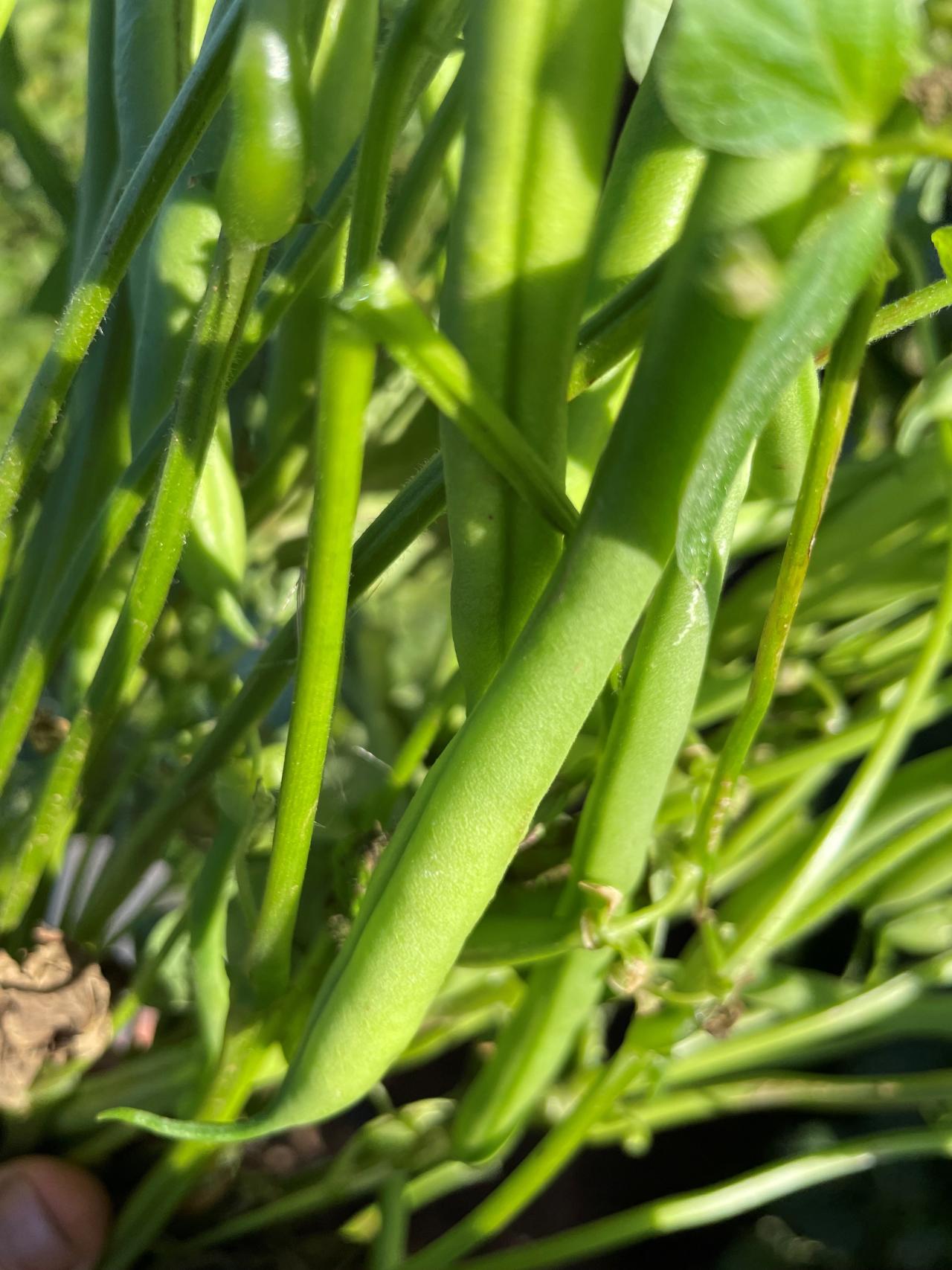
“While small plants don’t mean small beans, harvesters are set up for bigger plants so that’s what we like to see.”
About 60 percent of processed beans grown are Stanley green beans, used in stir fry mixes and mixed vegetable packets, whole beans make up about 34 percent and the remainder are yellow beans.
“Beans are in high demand by farmers, especially through the midlands,” Mr Foote said.
“The short growing days and good returns are welcome and they fit in well with other crop rotations.”



Add new comment