
TasFarmers Matters - Diesel fuels cashflow crisis
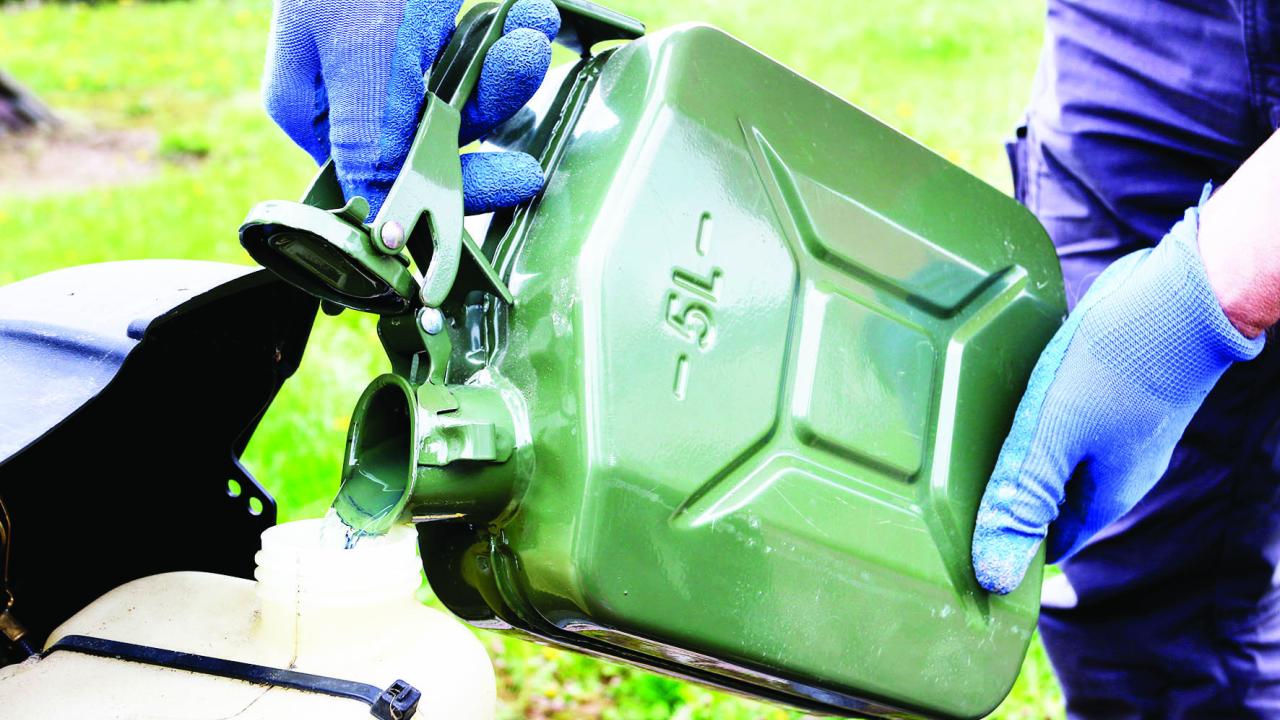
There's a big difference between a tough season and a system shock.
Most farmers can absorb a bad year, as long as margins are right.
Prices move, seasons turn, and margins tighten. That’s the farming business. But what’s looming with diesel isn’t just another input cost going up, it’s something much more serious.
At $3.20 a litre, diesel stops being a line item and starts becoming the dominant cost of production.
Every pass of the tractor, every tonne moved to processors of every type, every input delivered to the farm - it all compounds.
Farmers are not just paying more to grow the crop or raise the stock, they’re paying more to do anything at all.
And if supply tightens on top of that, it shifts from expensive to unworkable very quickly.
This is where the comparison to Covid starts to matter - not because the causes are the same, but because the effects could be the same.
During Covid, viable businesses suddenly found themselves without income. The system responded with repayment deferrals - not to prop up bad businesses, but to give good ones time to get through an external shock.
What could be coming with diesel has the potential to do the same thing from the other direction.
It’s not revenue disappearing; it is costs exploding. But the end result is similar, cashflow gets squeezed to the point where otherwise sound operations can’t carry the load, or the decision is made to just stop everything and try to wait it out.
The key question is whether this is a temporary dislocation or a permanent reset.
If it’s permanent, then businesses will have to adjust, as painful as that may be. But if it’s a supply-driven shock that will normalise, then forcing farms and freight operators to absorb it in real time risks doing lasting damage to productive capacity.
This is the key point policymakers need to understand.
Agriculture and transport aren’t fringe sectors. They are the backbone of a trading economy like Australia’s.
If you interrupt them at the wrong moment, planting, harvest, or during livestock movements, economic activity isn’t just deferred; it is lost. And you don’t get that back.
This is where a targeted version of the Covid playbook should be on the table.
Not broad handouts or blanket bailouts, which place government into further and unsustainable debt, but a simple mechanism: temporary finance repayment deferrals for viable businesses facing a clearly external shock.
Give them breathing room to keep the system intact and to keep production continuing.
Because once you start forcing good operators into distressed decisions, selling stock early, missing planting windows, or cutting back freight, the economic impacts quickly outweigh the cost of support.
We’ve already seen this movie once.
The lesson from Covid wasn’t just that governments can act, it’s acting early to preserve capacity, which is far cheaper than rebuilding it later. If diesel becomes both scarce and unaffordable at the same time, then this won’t be a normal adjustment.
It will be a cashflow shock, and we should treat it like one.




Add new comment