
Wool market backflips
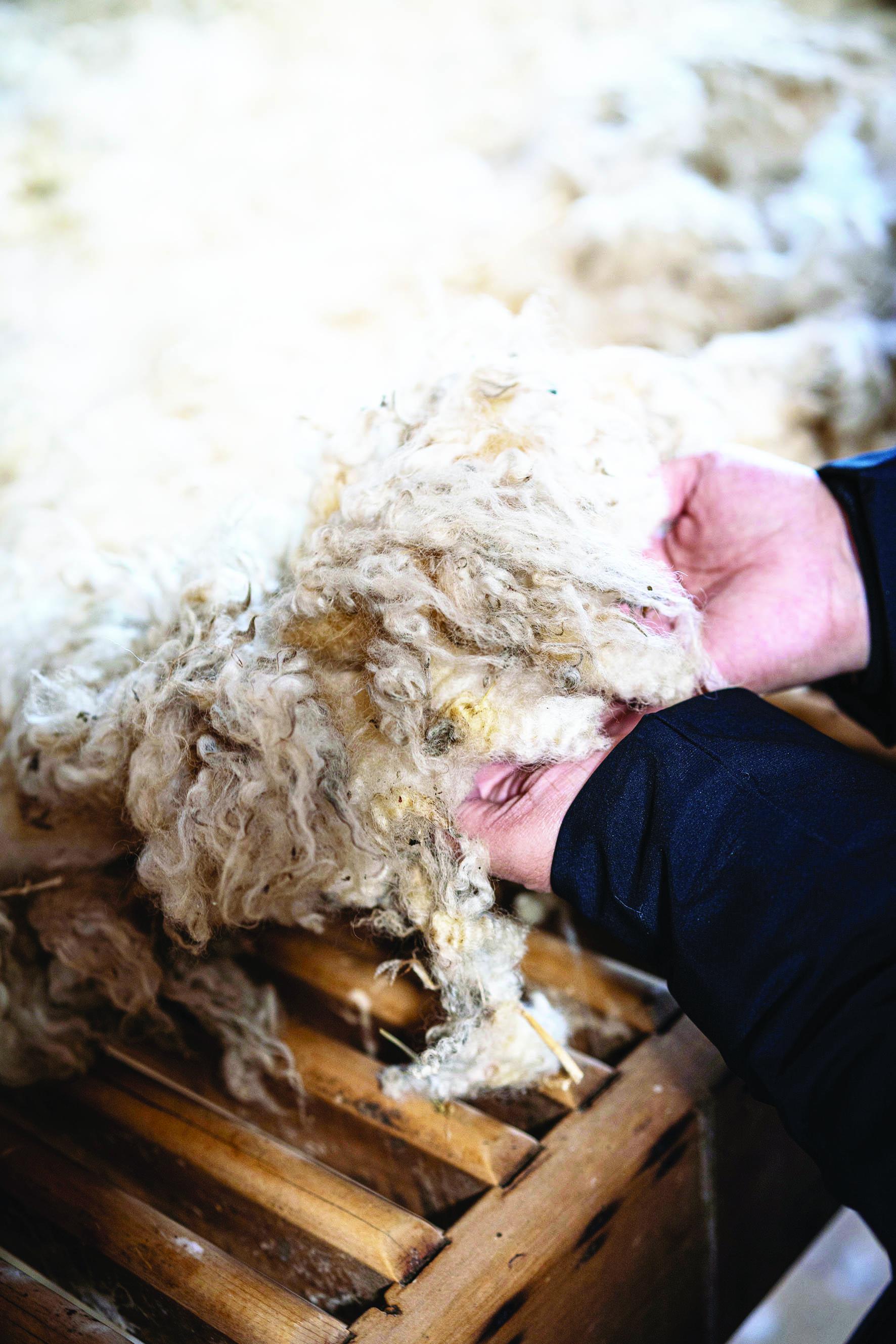
8th May 2026: IT WAS basically a neat backflip this week for the Australian wool market, which was a touch dearer in US Dollars while currency changes meant that the price in local currency was slightly down on the previous week. AWEX reported the EMI as increasing by 15 US cents over the week, whilst decreasing in local currency terms by 11 cents. In Euro terms the market rose by 8 cents, and Chinese buyers registered an increase of 8.8 jiao per kilo which is perhaps lucky for some. So although the headline numbers in some reports will show a decline in prices, in actual fact for the vast majority of our customers overseas the Australian wool market was actually dearer, but only by a small amount which is welcome news.
Those in the production pipeline are very happy to see some stability continue for a second week in a row. After such an enthusiastic run upward it would have not surprised to see a correction, but for the market to just settle for two weeks now, and perhaps a third is a good thing. Quotes from topmakers were by and large unchanged this week in USD terms with just some of the broader micron merino types a few cents cheaper. This is because the greasy market is being swamped with low yielding medium merino wool at present and the Chinese industry simply has trouble dealing with all these wools as their scouring machines are unable or unwilling to process blends which fall outside of the traditional China spec. Sobuyers putting parcels together for their Chinese clients cannot afford to add more than one or two of these lots without paying a huge premium for the high yielding lots with which to fix the average. One or two mills in China who can process these low yield are having a field day with less competition, but recent widespread rainfall will hopefully mean that this is not an issue in the new season.
The other area of strong demand in the auction room at present is the short fine types which end up as light weight knitwear and next to skin active wear. The processing fraternity has now developed to a point where yarns and knitted fabric can be made from shorter wools keeping the price point of the garments within reach of mainstream customers and demand is growing as a result. The best woven fabric is pushing higher in price as the availability of that greasy wool gets stretched more and more. Other manufacturers are looking for value and pushing up the micron curve causing a resurgence in fine and medium crossbred wool this week. Whether it be straight types or more often creative blend types to meet a price point the 25 and 26 micron wools in particular are very sought after.
So while the market goes through the motions, with some participants willing prices to go down, the majority still see another upwards spike in the offing given low stock levels right along the pipeline. Exporters from Australia are being pressured by their customers to decrease their offer prices but the dare not given the low supplies available next week and for the next month. Australia has just over 30,000 bales on offer next week, and South Africa just a paltry 6,800 with very small sales predicted between now and their recess. South America is not adding to supply at present either with available supplies virtually exhausted and new season sales starting to take place at speculative levels. Next week should see a ‘rinse and repeat’ of this week but if someone blinks or decides to get aggressive in the sale room we could easily see further upside.
The story this year has been about supply with many questioning the quality of demand particularly from those in Europe who have been slow to participate. But the demand in Asia, whilst not great has been reasonably consistent and at such a level to consume virtually all of the current supply, at least in the knitwear sector but maybe not so in the worsted sector. With the geopolitical landscape edging towards a more stable footing in the last couple of days, even if it is only to pave the way towards a smooth lead up to the Sino-US meeting in Beijing later this month hopefully we can get things back on track in time to fulfill this season’s apparel commitments. Given the low stock levels in the pipeline if we do suddenly see some retailers deciding to place orders for the October to December winter selling season it may initiate a mad scramble for more wool, which is simply not there.
It would seem that many downstream players still yearn for the ‘old days’ when topmakers in particular used to hold virtual mountains of stock which was available for them to draw on as needed. Previously European spinners could be comfortable that the BWK plant in Bremen would have 6,000T of top stock on hand. In the modern era with holding costs as well as lower risk appetites stock holding is a fraction of this, and even the sizable volume of South American top stock which was lying in BWS warehouse also in Bremen is virtually gone. Any enquiries for prompt stock in Europe circulate widely these days and spinning mills who have been sitting on the fence appear to be playing a dangerous game. The more adventurous or astute are beginning to place orders now but some are still waiting for clearer market signals or perhaps divine guidance.
Asian mills have always operated on a more ‘here and now’ basis and are reaping the benefits of being in the market every week and not getting shocked as much in the process. They will keep operating on this basis which will see the market at least firm next week and possibly building a head of steam for another bounce before seasons end.




Add new comment