
Feeding for results
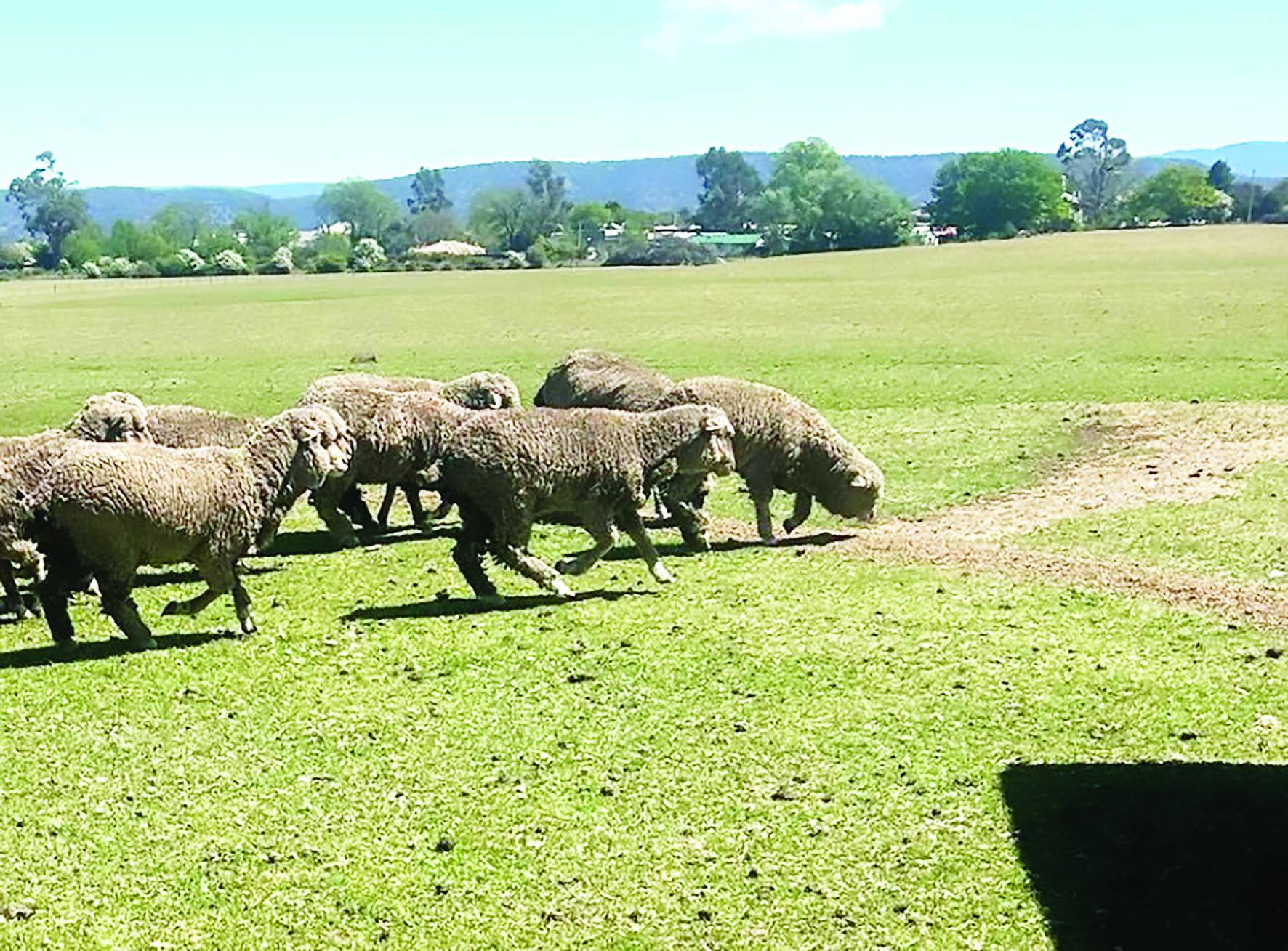
FOR lamb producers, supplementary feeding should ultimately deliver a result: more kilograms, better growth rates and more lambs reaching market weight sooner.
Tasmanian Stockfeed Services works with producers to identify feeding options that balance animal performance with feed cost. Rather than looking at price per tonne alone, the focus is on what a ration can deliver and the value generated from additional liveweight.
Pellets are a key part of that offering. TSS manufactures grain-based and grain-free pellets, giving producers practical options to suit different livestock, pasture conditions and feeding systems. Grain-based pellets provide a consistent source of energy and protein for growing and finishing lambs, while grain-free pellets offer another option for producers wanting to limit grain or starch while still targeting strong performance. In either case, pelleting brings energy, protein, fibre, minerals and other nutrients together in a consistent feed to support growth.
With established pellet products available, the focus is on matching the right product to the job rather than making feeding unnecessarily complicated. For larger-volume requirements, TSS can also develop specific formulations where a tailored ration is justified.
TSS also supplies individual ingredients including barley, oats, lupins, faba beans and canola meal. These can complement a feeding program, particularly where producers already have other feeds available on farm.
Daniel Goss, Nutrition and Technical Manager at Tasmanian Stockfeed Services, said the starting point should be what the producer wants the feed to achieve.
“The cheapest feed isn’t necessarily the best value. If the aim is to put more kilograms onto lambs, we want a ration that supports that growth as efficiently as possible. Spending a little more per tonne can make sense if it gets lambs to target weight sooner and delivers a better return on every dollar spent.”
That becomes particularly important when lambs are approaching a target sale weight or producers are working towards a marketing window. Maintaining growth can mean more lambs reaching specification sooner and less time required to finish them.
“We have grain-based and grain-free pellet options designed to suit different feeding situations. The starting point is understanding what the lambs need, what the pasture is already providing and then choosing the feed that gives the best opportunity for economical growth. The objective is performance, but it still has to stack up economically,” Mr Goss said.
Seasonal conditions can change that objective. If pasture quality or availability falls away, feeding may shift towards maintaining livestock and extending forage. TSS also manufactures maintenance pellets for sheep and cattle, providing another option for stretching pasture and conserved fodder when fibre becomes limited.
Whether you’re chasing extra kilograms on lambs, considering a grain-free pellet or trying to make available feed go further, talk to TSS. The team can look at your livestock, pasture and target weights to help identify an option that delivers practical value.




Add new comment